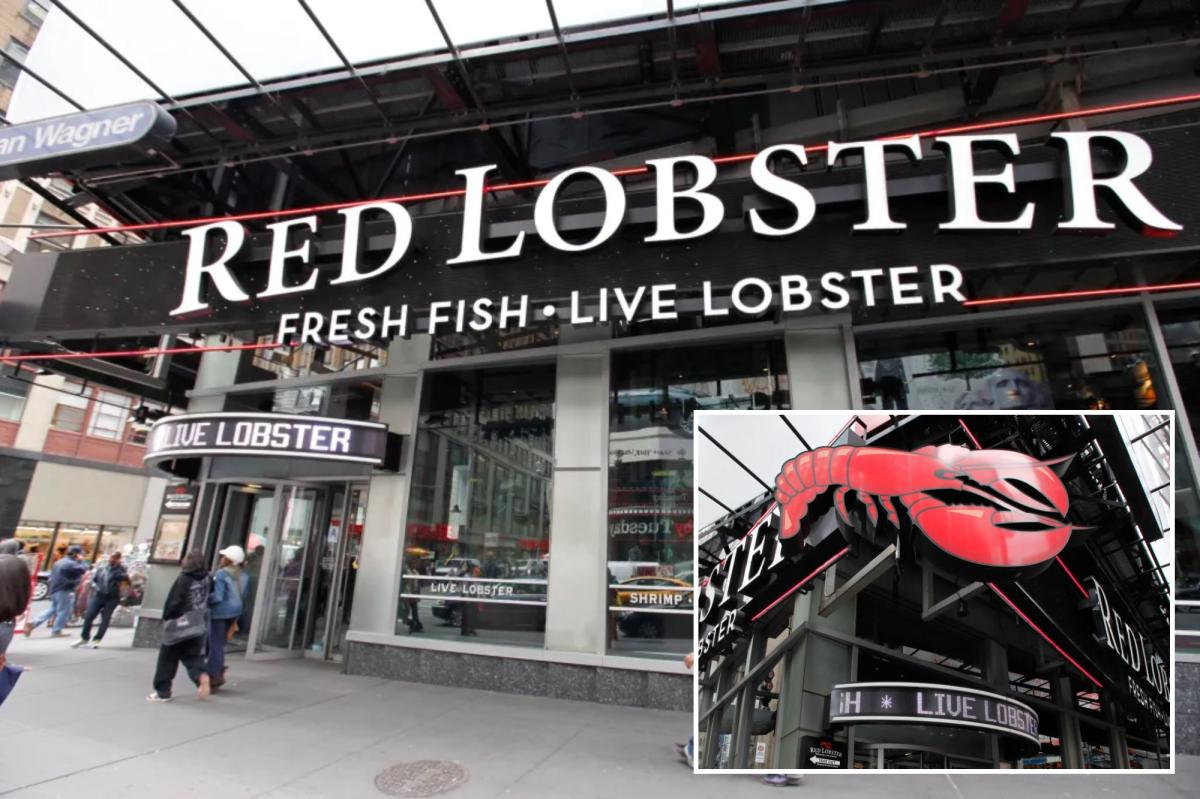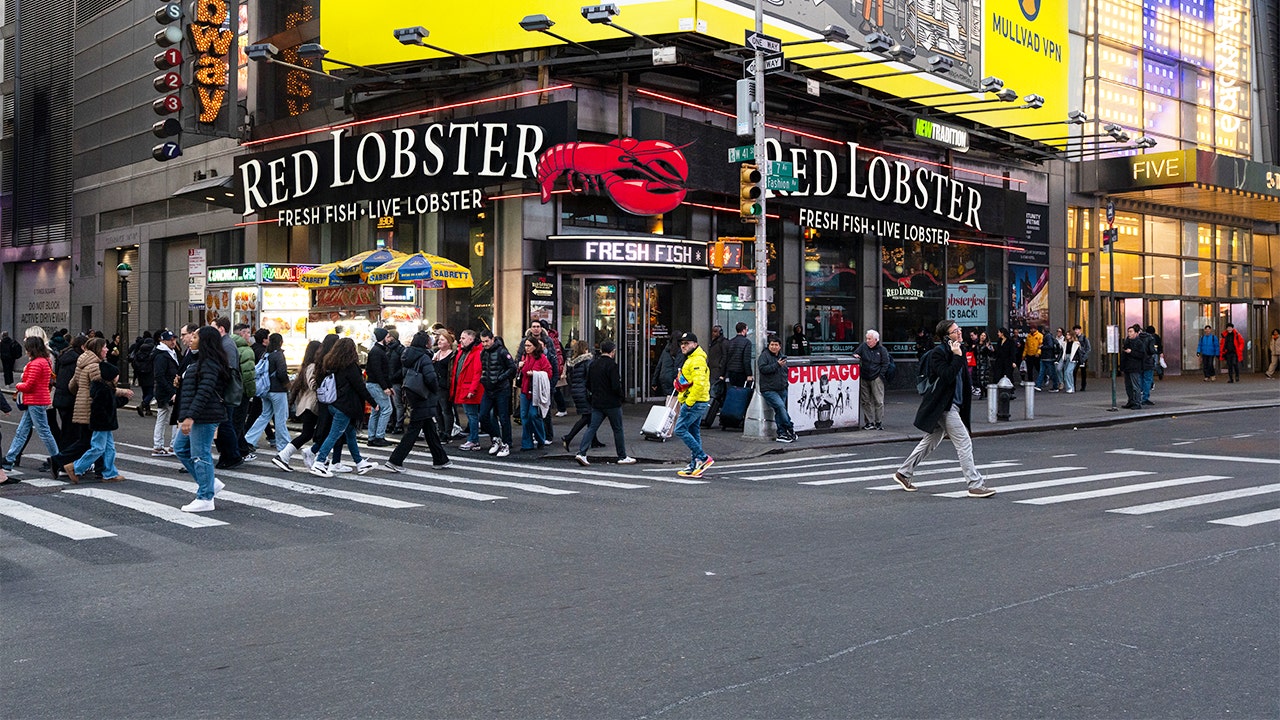
The closure of Red Lobster’s flagship at 5 Times Square, effective June 14, represents more than a simple vacancy; it is a case study in the intersection of corporate viability and urban reconfiguration. After anchoring the corner of 41st Street and Seventh Avenue since 2003, the casual dining giant has determined that the location no longer meets the threshold for sustainable high-volume operations. This strategic retreat from one of the world’s most visible retail corridors highlights the fragility of the ‘trophy location’ model when faced with external structural disruptions.
Operational Friction and the Cost of Invisibility
In the high-density ecosystem of Times Square, brand presence is predicated on visual dominance and seamless pedestrian access. Red Lobster’s leadership identified prolonged, extensive construction at 5 Times Square as a primary catalyst for the site’s performance decline. For a restaurant model that relies heavily on impulse visits from a transient tourist demographic, the physical obstruction of signage and entrances creates an insurmountable barrier to organic discovery. When the premium associated with a flagship lease is decoupled from the foot traffic it was designed to capture, the location transitions from a marketing asset to a significant financial liability.
Furthermore, the logistical inefficiencies introduced by long-term construction projects extend into the supply chain. For a seafood-centric operation requiring precise, timely deliveries of perishable goods, restricted street access increases operational friction and overhead. This environment likely created a disconnect between the fixed costs of a prime Manhattan lease and the variable revenue potential, leading to an unsustainable cost-to-revenue ratio that high-volume promotions could not sufficiently mitigate.
The Residential Pivot and Infrastructure Incompatibility
The planned conversion of 5 Times Square into a residential-centric development introduces a fundamental mismatch for large-scale commercial tenants. Residential transformations necessitate rigorous adjustments to building infrastructure, including ventilation, acoustic damping, and waste management protocols. These modifications are often at odds with the industrial kitchen requirements and high-decibel service environments of a mid-tier dining chain. Red Lobster’s exit signals a broader trend in Manhattan real estate where property owners are pivoting toward residential use to secure diverse value streams, effectively displacing legacy commercial tenants whose operational needs no longer align with the building’s evolving utility.
Human Capital Preservation as a Strategic Priority
Despite the cessation of operations, Red Lobster’s decision to offer transfers to all Times Square staff members is a calculated move to preserve institutional knowledge. In a competitive labor market, retaining an experienced workforce is essential for maintaining operational continuity across the brand’s remaining footprint. By absorbing the displaced staff into other regional locations, the company mitigates the reputational risks of mass layoffs while ensuring that the brand’s cultural standards are maintained during a period of organizational transition. This approach suggests a shift toward a more disciplined real estate strategy where capital is redirected from high-friction, low-yield sites toward locations with more stable operating environments.