Strategic Calibration in International Football
The friendly between Croatia and Belgium at the Estadio HNK Rijeka Dean Šćulac serves as a critical diagnostic tool. While officially a non-competitive fixture, it functions as a high-pressure environment for evaluating tactical versatility and squad depth in the lead-up to the 2026 World Cup.
For Belgium, this match marks a pivot point in their post-‘golden generation’ era. Head coach Rudi Garcia is tasked with balancing the integration of emerging talent with the diminishing availability of core veterans—an operational challenge that dictates the squad’s long-term competitive ceiling.
Operational Constraints and Squad Management
The absence of players like Leandro Trossard, following intensive club campaigns, underscores the logistical complexities of modern football. Coaches must now prioritize recovery protocols and rotational models, valuing player longevity over immediate tactical cohesion. Romelu Lukaku’s limited usage reflects a strategic choice to mitigate injury risk, acknowledging that the team’s structural integrity rests on the physical availability of primary offensive focal points.
Competitive Positioning and Institutional Legacy
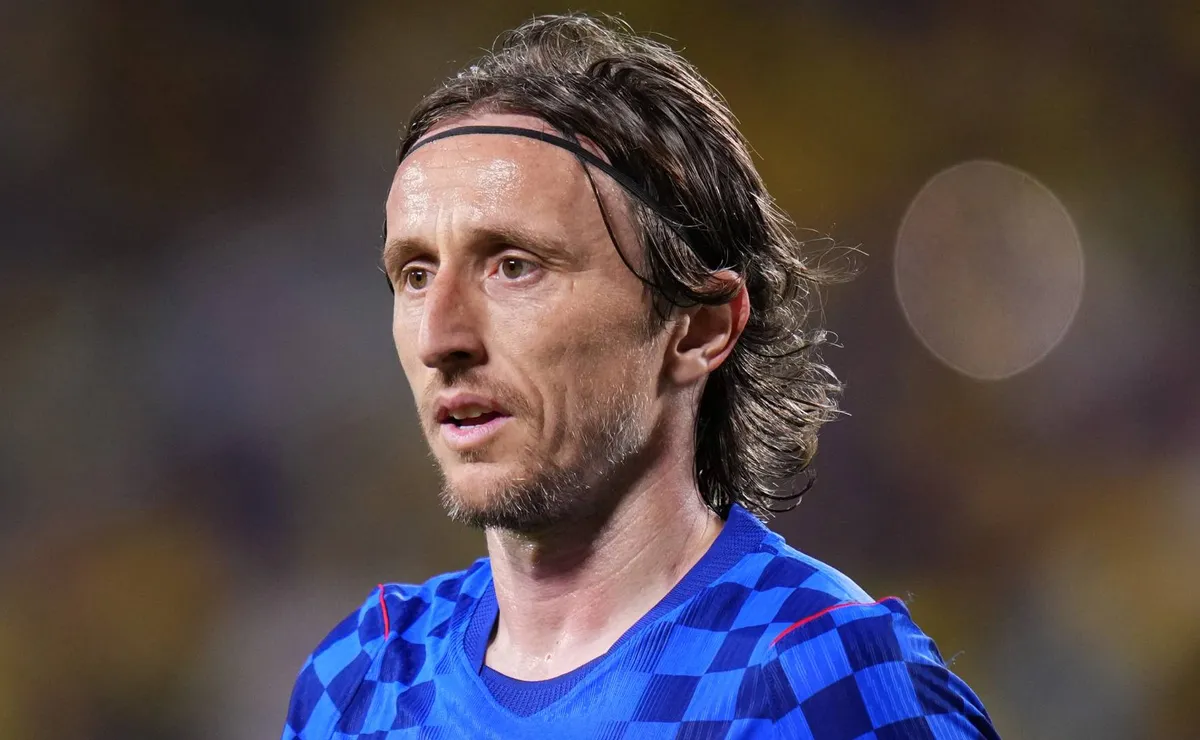
Croatia continues to rely on the established leadership of Luka Modrić while aggressively integrating prospects like Luka Vušković alongside Joško Gvardiol. This structural blend allows for institutional continuity, testing defensive transition strategies against an elite European opponent. For the Croatian federation, this match provides empirical data on the efficacy of their generational transition during high-stakes defensive phases.
Financial and Reputational Stakes
These friendlies are vital for maintaining the commercial and competitive standing of national federations. For the host nation, organizing top-tier matches reinforces domestic infrastructure capacity. Furthermore, individual player exposure during these fixtures directly influences market valuations and professional standing, making each match a critical data point for stakeholders evaluating the return on investment in youth development programs.
Systemic Implications for the 2026 Cycle
As the 2026 World Cup approaches, federations are adopting a ‘stress-test’ philosophy. By scheduling high-intensity friendlies against formidable sides, coaching staffs can identify systemic vulnerabilities before they become liabilities in tournament settings. This methodology ensures that final squad selection is optimized for the rigors of global competition, minimizing the risk of unforeseen tactical failures.
Conclusion: Data-Driven Evolution
The Croatia-Belgium encounter is a microcosm of modern football professionalization. Every tactical adjustment and recovery protocol contributes to a multi-year strategy aimed at peak performance. As both teams balance veteran experience with emerging talent, the resulting data will define their competitive trajectories, ensuring that institutional health and tactical readiness remain aligned for the challenges of 2026.