The Structural Mechanics of California’s Electoral Timeline
The demand for immediate electoral results is increasingly misaligned with California’s current legislative framework. Election officials and analysts maintain that delayed call times in high-profile contests are not systemic failures, but rather the calculated output of a process designed to prioritize voter access and forensic verification. By opting for a system that mandates exhaustive signature matching and thorough ballot curing, California consciously sacrifices the speed of traditional media cycles to uphold institutional integrity.
Operational Friction and Historical Context
California’s extended tabulation period is a systemic feature, not an anomaly. The 2022 midterms underscored this reality; a highly contested U.S. House race in the Central Valley required three weeks to resolve, decided by a margin of mere hundreds of votes. Similarly, the 17-day count following the state Senate race involving Laura Richardson illustrates the administrative burden inherent in verifying ballots at scale. When margins are narrow, the procedural necessity of confirming every legal vote inevitably extends the timeline, challenging the patience of political stakeholders.
Logistical Complexities in Ballot Processing
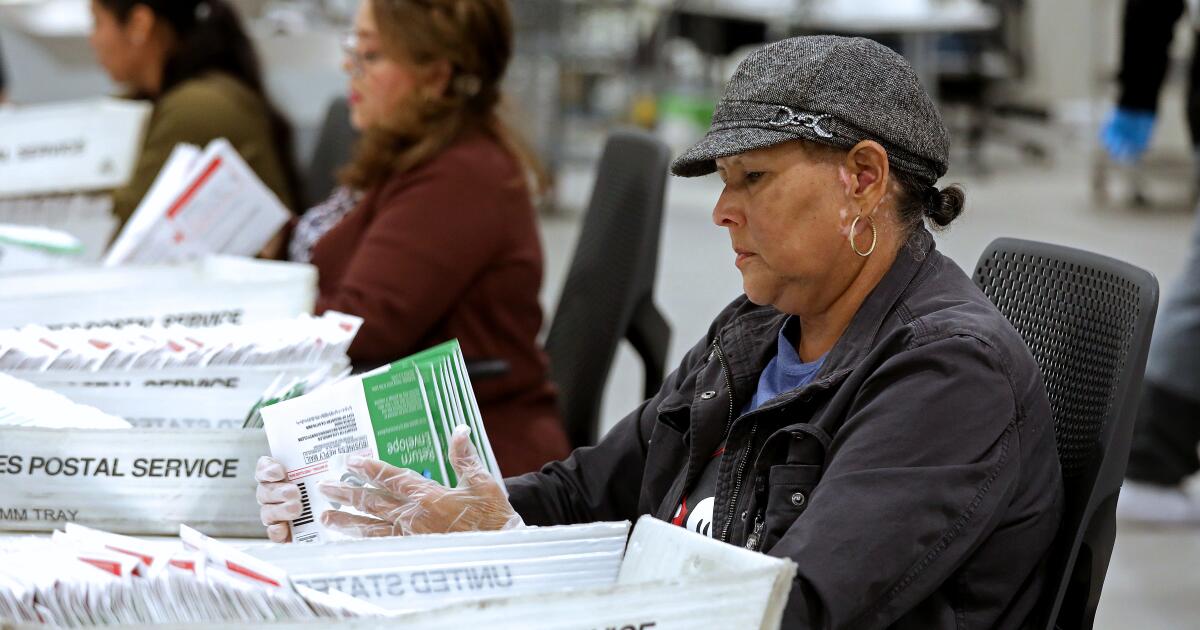
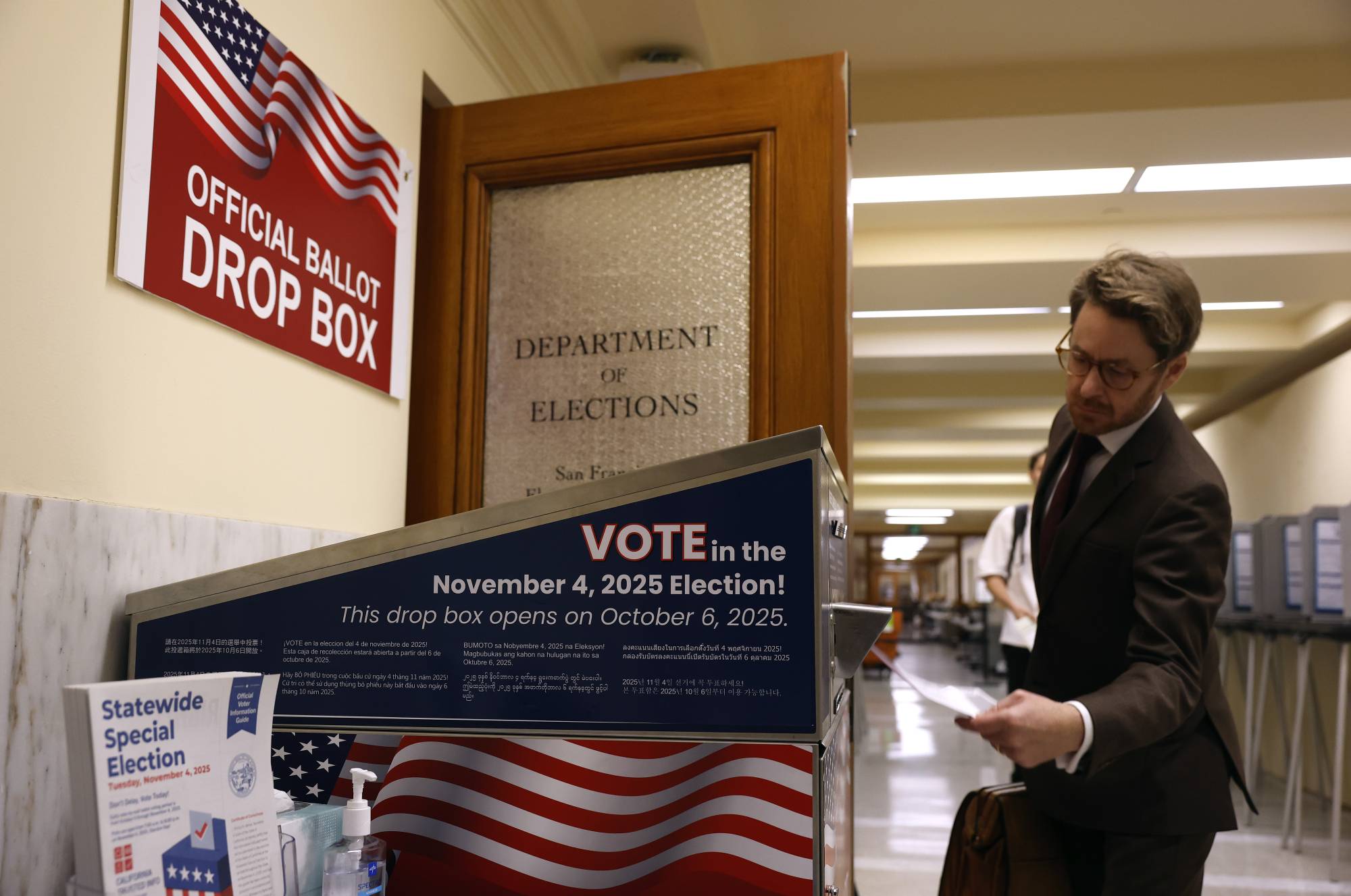
The shift toward universal mail-in balloting has transformed the state’s logistical requirements. Because ballots need only be postmarked by Election Day, the state relies on the United States Postal Service (USPS), introducing external supply chain variability. State guidance consistently encourages voters to utilize secure drop boxes to bypass potential transit delays, mitigating the risk of disenfranchisement while acknowledging that the final tally is tethered to the pace of postal infrastructure.
Institutional Implications for Governance
The extended duration between the close of polls and the final declaration of a winner creates a unique governance vacuum. For incoming administrations, this delay complicates the transition period, legislative scheduling, and policy formation. Furthermore, the commitment to transparency—evidenced by the lengthy 2022 Northern California race that necessitated a two-month recount process—demonstrates that the state prefers to absorb administrative friction rather than risk premature, inaccurate outcomes in close-margin contests.
Strategic Evolution for Political Stakeholders
The reality of a long-tail count necessitates a pivot in political strategy. Modern campaigns must treat the ‘curing’ period—the window where voters resolve ballot discrepancies—as a critical phase of the electoral cycle. Organizations are now allocating significant resources to long-term monitoring and legal support, effectively extending the campaign timeline beyond Election Day. By framing this extended duration as a commitment to accuracy, officials aim to preserve long-term public trust, even as the lack of immediate results tests the limits of political patience.