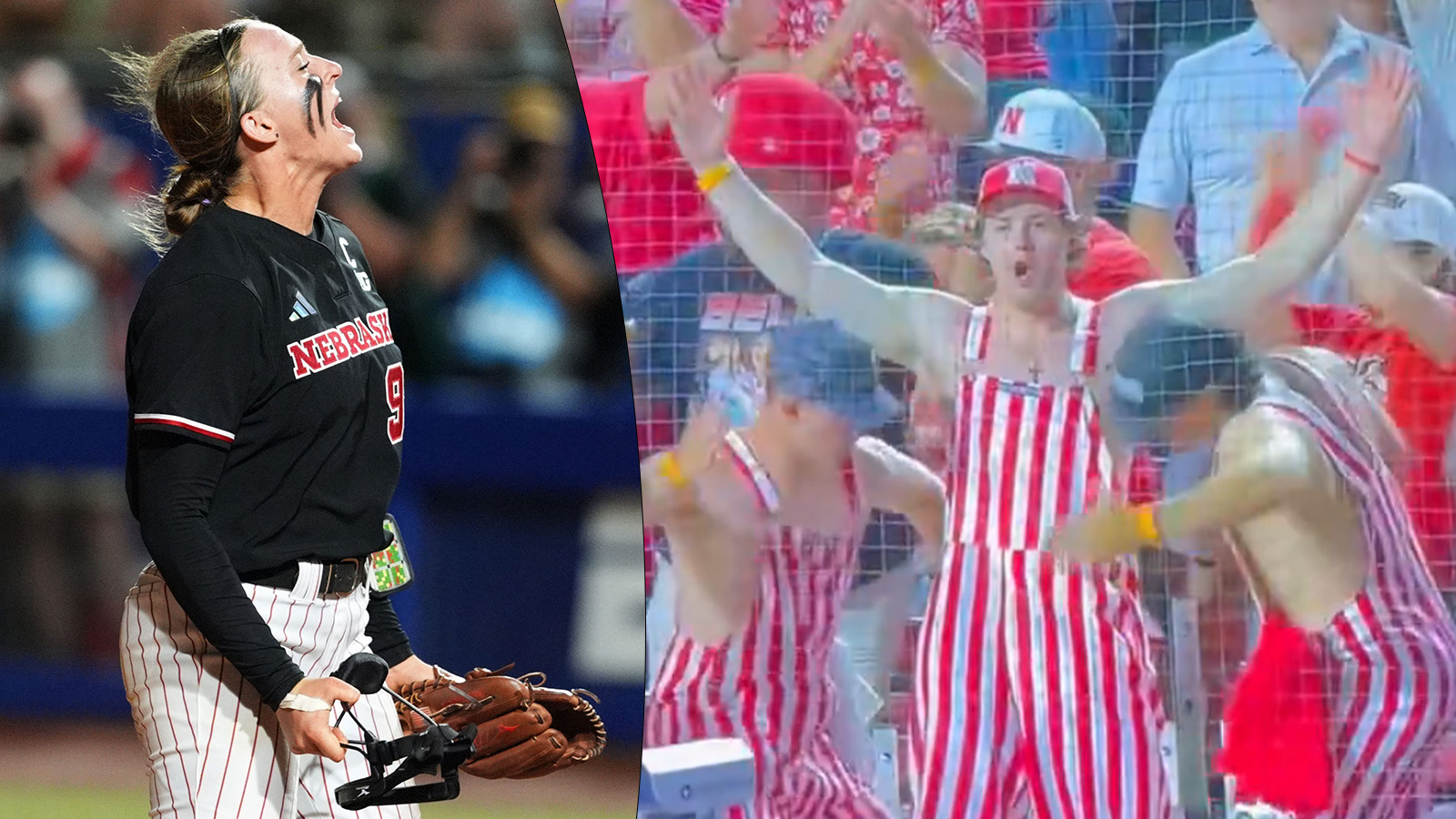
The Intersection of Performance and Public Optics
The transition of Jordy Bahl to Jordy Frahm marks a critical evolution in collegiate softball. As elite athletes operate under constant digital surveillance, the distinction between private life and professional brand becomes increasingly permeable. The public scrutiny directed toward Jordy and her husband, Trey Frahm, exemplifies the modern challenge for athletic programs: managing the reputational risks inherent in an athlete’s immediate social circle.
Institutional Dynamics and Behavioral Expectations
Trey Frahm’s background as a former University of Nebraska baseball player offers him unique insight into the pressures of elite competition, yet his conduct in spectator environments has generated significant friction. This dynamic highlights a growing issue in collegiate sports: the professionalization of the athlete’s support structure. Institutions are now tasked with managing not only the athlete but also the public-facing conduct of their familial associations, which can significantly influence the broader institutional brand.
The Economics of Collegiate Visibility
In the NIL (Name, Image, and Likeness) era, individual athletes are essentially corporate entities. When behavior in the stands becomes a recurring media narrative, it threatens the brand equity of the athletic program. The incident involving Trey Frahm’s ejection and his subsequent interactions during tournament play serves as a case study for athletic departments in mitigating ‘optics-related’ liability that can detract from team cohesion and recruitment efforts.
Strategic Implications for Brand Integrity
For high-profile athletes, managing an ‘inner circle’ is now a strategic necessity. The ability to control personal narratives is critical, as every public interaction is subject to instant documentation and collective critique. The Frahm situation underscores a shift where alignment between an athlete’s support system and their institution’s behavioral standards is no longer merely an expectation—it is a functional requirement for long-term brand success.
Future Outlook for Athlete-Centric Branding
The convergence of professional and personal spheres in collegiate sports is inevitable. As universities face increased pressure to monetize their athletic assets, the demand for ‘on-brand’ behavior will extend beyond the players to their primary support systems. Those who successfully harmonize their personal associations with professional demands will retain higher marketability, while those who cannot may find their career trajectories hindered by the public optics of their personal lives.