The upcoming centennials of John Coltrane and Miles Davis (2026) provide a potent temporal framework for the Museum of Fine Arts, Houston (MFAH) to execute a sophisticated exercise in legacy management. Through its ‘Jazz on Film’ series, the institution transcends mere retrospective screening, instead positioning jazz as a primary driver of mid-century cinematic modernism. This strategic alignment leverages archival assets to reinforce the museum’s role as a steward of both auditory and visual cultural capital.
Institutional Curation and Operational Longevity
Since 2013, curator Peter Lucas has utilized the Brown Auditorium to pivot the MFAH beyond traditional static exhibitions. By integrating jazz into the museum’s filmic output, the institution targets a high-authority demographic that values the synthesis of multi-disciplinary histories. This approach secures long-term audience engagement by transforming archival footage into a dynamic, communal experience that exceeds the capabilities of digital streaming platforms.
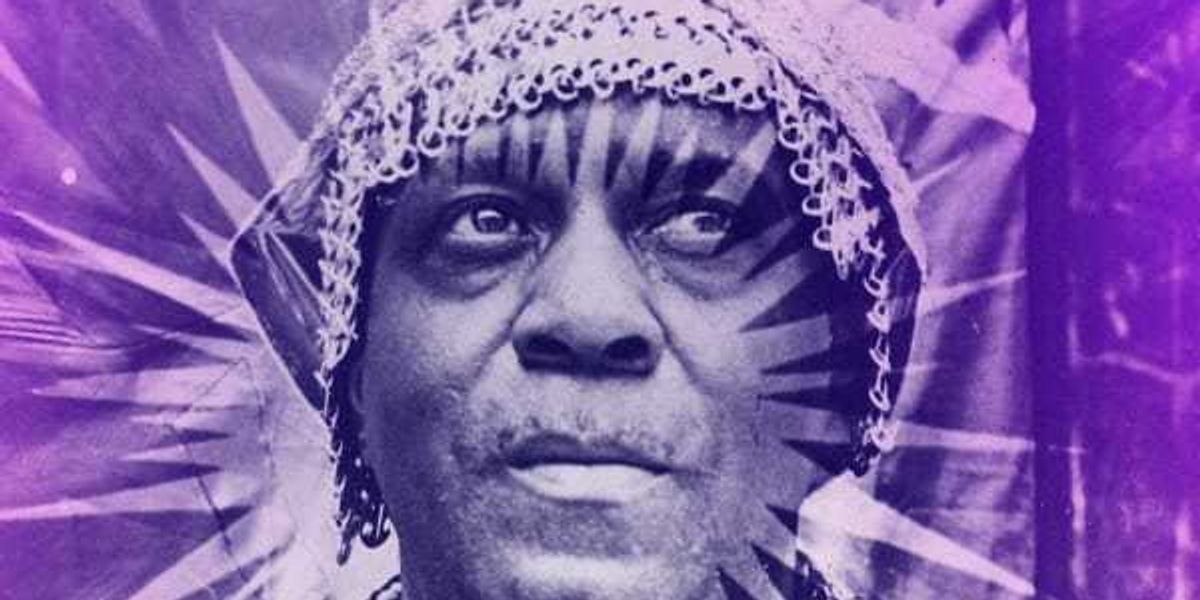
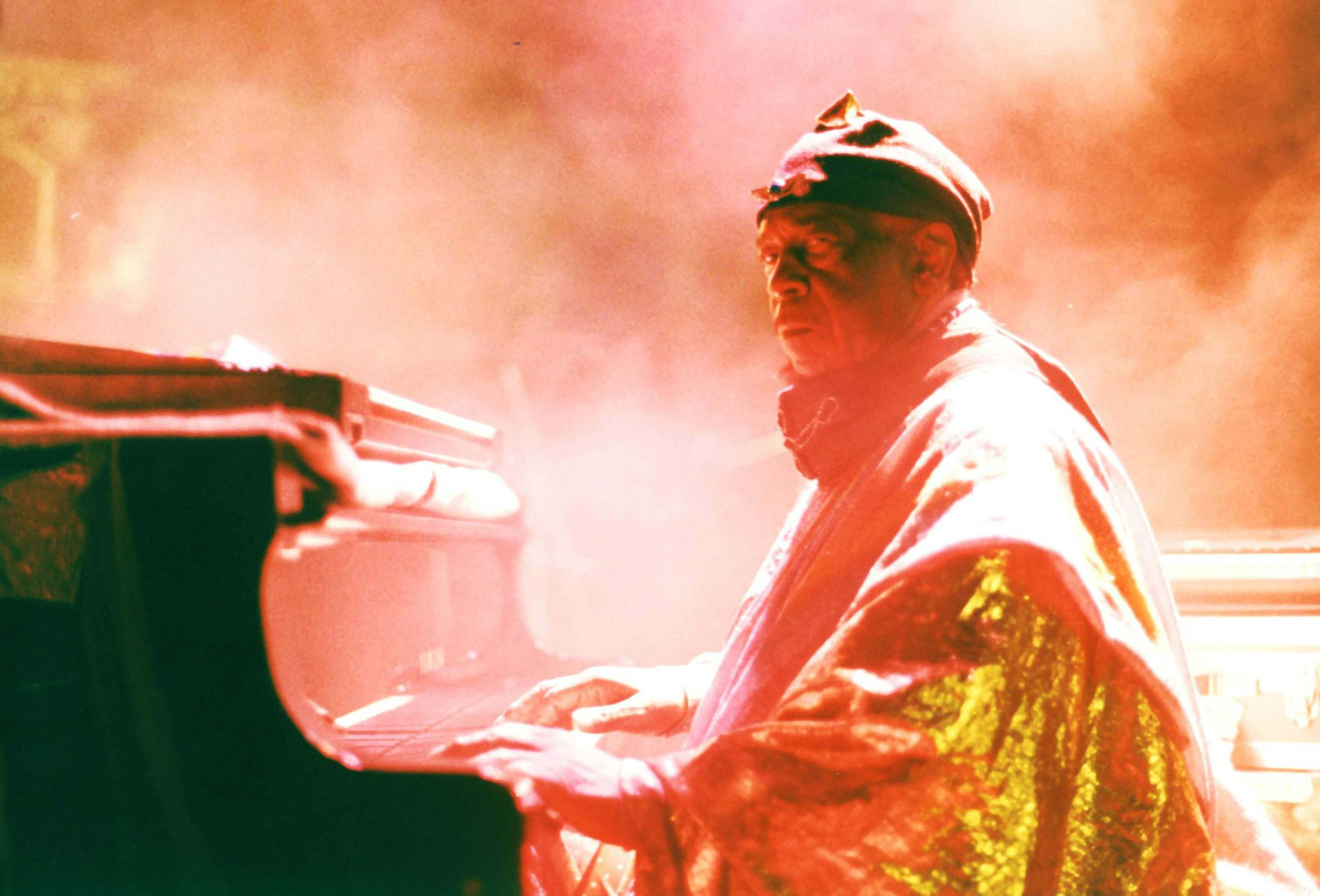
The 2024 programming cycle utilizes three consecutive weekends to map the evolution of jazz from technical proficiency to spiritual avant-garde. By balancing canonical figures with esoteric documentaries—such as Sun Ra: Do the Impossible—the series ensures intellectual rigor while maintaining broad market appeal. This methodology underscores the museum’s capacity to navigate the complexities of jazz subgenres, positioning the series as a benchmark for niche cultural programming.
Cinematic Semiotics: ‘Elevator to the Gallows’
A central pillar of this year’s curation is Louis Malle’s 1958 noir masterpiece, Elevator to the Gallows (Ascenseur pour l’échafaud). Miles Davis’s score for the film represents a fundamental shift in cinematic semiotics; his improvisational approach replaced traditional melodramatic orchestration with a sparse, modal vocabulary. This collaboration served as a catalyst for the French New Wave, demonstrating how jazz could dictate the rhythm and psychological depth of the moving image.
The MFAH enhances this screening by pairing it with a 1959 recording of the Davis Quintet featuring John Coltrane. This archival transparency allows the audience to observe the technical transition from ‘cool’ jazz to the more aggressive, experimental textures that would define the 1960s. For the institution, providing access to such rare visual documentation is a form of performance leverage that justifies the continued investment in high-fidelity theater infrastructure.
The Coltrane Paradigm: From Technicality to Iconography
John Coltrane’s trajectory from a bebop technician to a spiritual icon is a recurring theme in the festival’s documentaries. The curation highlights his 1957 spiritual awakening as a pivotal moment that redefined his creative output, culminating in A Love Supreme (1965). By framing Coltrane as a devotional figure—a legacy cemented by the Saint John Coltrane Church—the series explores how personal transformation can influence global artistic movements.
As his centennial approaches, the analytical focus shifts to how Coltrane’s music serves as a vehicle for transcendence. The MFAH’s inclusion of works detailing his later, more abstract periods (such as Om) challenges the audience to engage with jazz not merely as entertainment, but as a rigorous intellectual and spiritual discipline. This depth of inquiry is essential for maintaining the genre’s relevance within high-culture ecosystems.
Strategic Market Value and Archival Preservation
The institutionalization of jazz at the MFAH signals a broader trend in the cultural market: the transformation of jazz history into high-value archival assets. By showcasing these films, the museum encourages the digitization and licensing of rare performances, ensuring the preservation of the jazz canon. This strategic focus on archival integrity provides a platform for the critical re-evaluation of the social and technical forces that shaped the 20th-century soundscape.
Ultimately, the ‘Jazz on Film’ series serves as a case study in how to navigate the intersection of art, history, and commerce. By honoring the legacies of Davis and Coltrane through a cinematic lens, the MFAH reinforces its position as a leading cultural hub, ensuring that the transformative power of their music continues to resonate in a contemporary, multi-media environment.