The UEFA Champions League final at the Puskas Arena transcends a mere seasonal finale; it represents a convergence of two distinct institutional philosophies. Paris Saint-Germain enters the fixture seeking a rare back-to-back continental triumph—a feat that would elevate the club’s brand equity to the historical tier currently occupied by Real Madrid. Conversely, Arsenal arrives with the momentum of a Premier League title, testing whether Mikel Arteta’s highly disciplined collective can dismantle Luis Enrique’s established European hierarchy.
The Safonov Variable: Statistical Deterrence in the Penalty Box
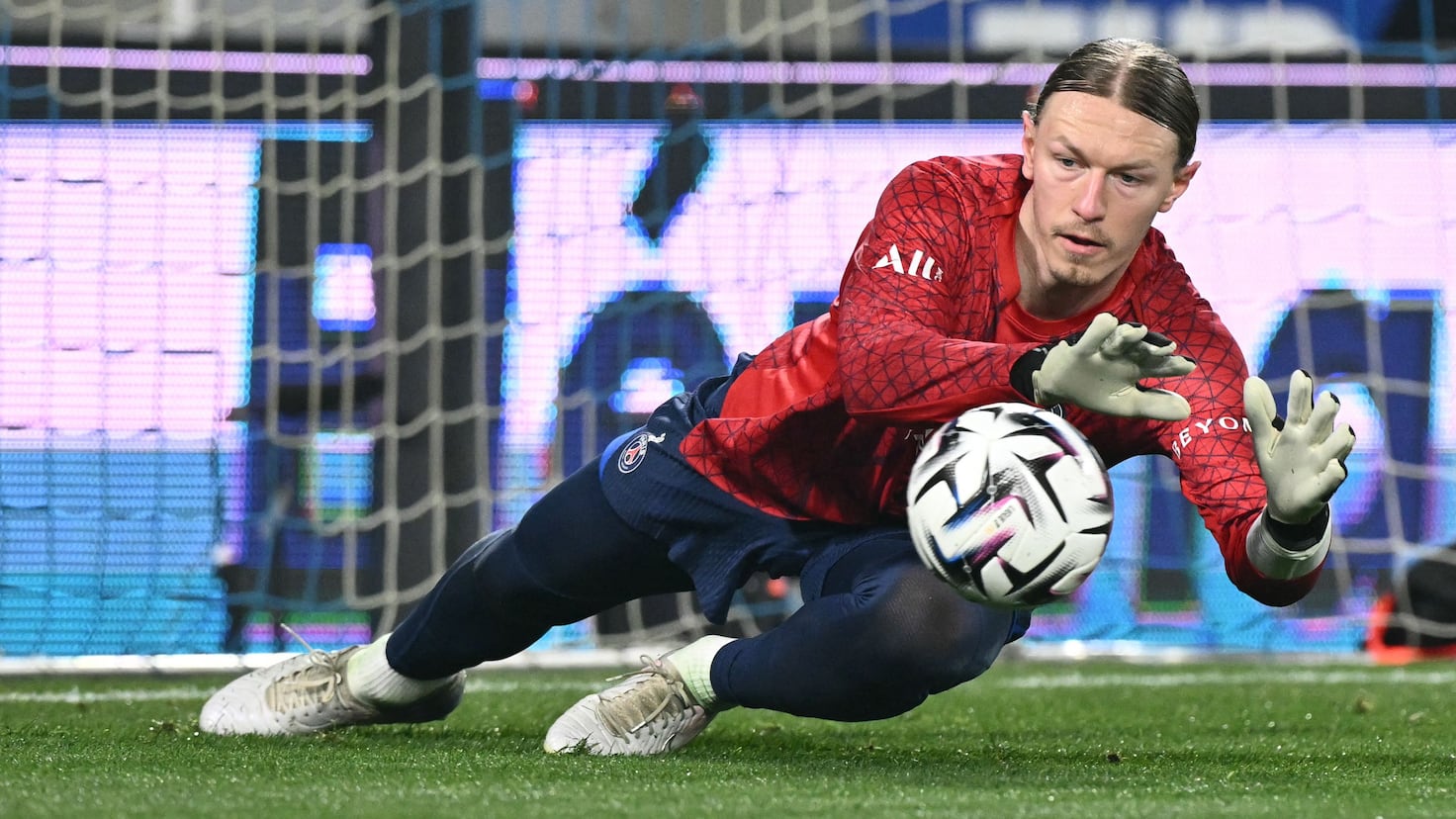
In a match governed by razor-thin margins, the ‘Safonov Factor’ emerges as a primary strategic lever. Matvei Safonov’s career profile reveals a 24.9% penalty save rate, having neutralized 10 out of 41 faced. This metric provides a significant mathematical advantage, particularly in high-pressure knockout scenarios. While his current save rate at PSG is 20%, his broader trajectory suggests he functions as a strategic deterrent, inducing hesitation in penalty takers who must account for his documented efficiency from the 12-yard mark.
Safonov’s psychological fortitude in finals is already established; his performance in the Intercontinental Cup against Flamengo—where he recorded four shootout saves—proves his capacity to manage extreme stressors. For Arsenal, this necessitates an aggressive offensive posture in regulation time to bypass a potential shootout, where the probability of success tilts demonstrably in PSG’s favor due to Safonov’s historical reliability.
Tactical Parity and the Havertz Pivot
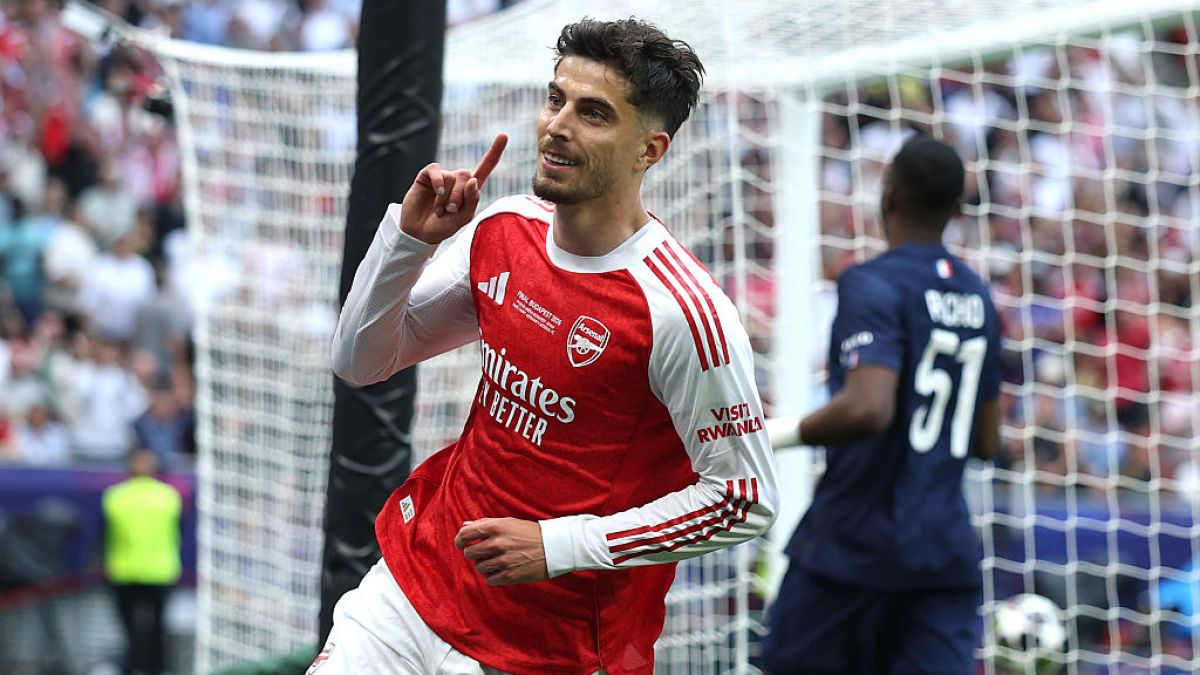
Mikel Arteta’s Arsenal is defined by a ‘superbly drilled’ structural rigidity that minimizes creative space. The presence of Kai Havertz as a focal point provides a versatile threat, capable of exploiting transitional gaps. His early goal in this fixture recalibrates the tactical burden, forcing Luis Enrique to accelerate PSG’s offensive sequences. This shift in momentum tests PSG’s patience against Arsenal’s compact defensive block, which has mastered the art of absorbing pressure before launching clinical counter-attacks.
Enrique’s operational response involves stretching the pitch to disrupt Arsenal’s synchronization. However, this pursuit of an equalizer carries the inherent risk of exposing PSG to the pace of Arsenal’s forward line. The game thus becomes a chess match of risk-reward calculus: PSG must hunt for openings without compromising the defensive transition that protected their domestic campaign.
Institutional Trajectory and Market Impact
The outcome in Budapest will dictate the global market positioning for both clubs. For PSG, a consecutive title validates their long-term sporting project, shifting the narrative from individual brilliance to collective tactical maturity. For Arsenal, a double triumph—securing both the Premier League and the Champions League—would mark the zenith of their multi-year rebuild under Arteta, significantly enhancing their commercial leverage and global fan engagement.
As the match progresses into its final phases, the interplay between individual data points, such as Safonov’s 24.9% save rate, and broader tactical trends will decide the winner. Whether it is the execution of a set-piece or the psychological advantage in a shootout, the 2026 final stands as a benchmark for the data-driven evolution of elite European football.