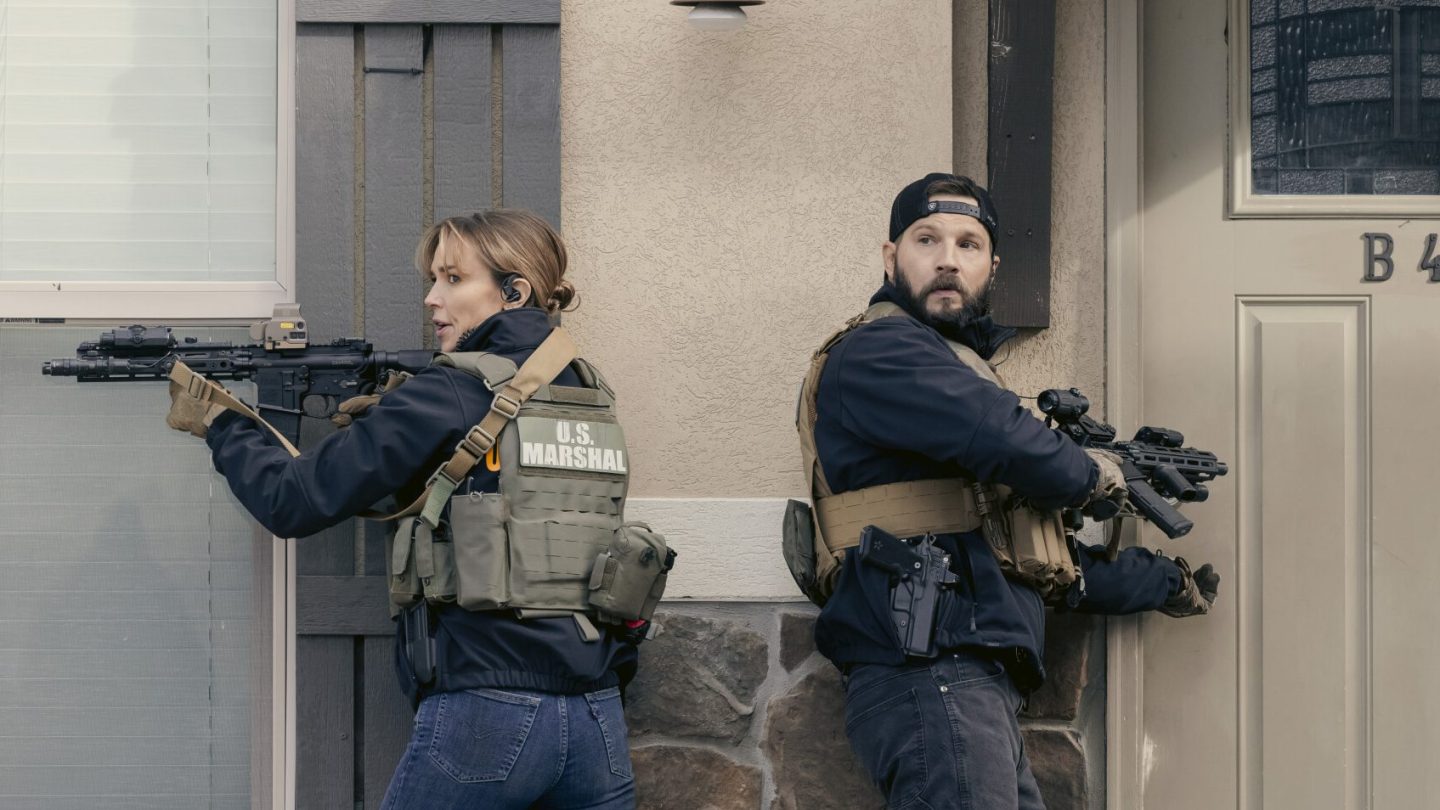
The inaugural season of ‘Marshals,’ a significant expansion within the ‘Yellowstone’ universe, concluded with a meticulously engineered cliffhanger, strategically designed to maximize audience retention and amplify anticipation for its already greenlit second season. This narrative device, leaving the immediate fates of two key characters, Cal and Belle, in critical jeopardy, underscores a calculated approach to serialized storytelling. In a highly competitive media landscape characterized by fragmented viewership and content saturation, such high-stakes concluding sequences are not merely plot points but strategic investments. They serve as critical leverage for securing viewer commitment, influencing future advertising revenue potential, and bolstering the perceived long-term value of the intellectual property (IP) for both the production studio and the network.
The ambush of these U.S. Marshals by operatives of the Weaver family, occurring in the final moments of the episode titled “Wolves at the Door,” represents a deliberate narrative escalation. This intense conclusion generates immediate buzz, fueling social media discussion and creating a ‘fear of missing out’ among potential new viewers, thereby extending the marketing lifecycle of the series beyond its initial broadcast window.
Strategic Narrative Architecture and Franchise Cohesion
The revelation of rancher patriarch Tom Weaver as the primary antagonist for the upcoming season signifies a strategic pivot from a more procedural, episodic villain structure to a sustained, season-long conflict. This shift aligns ‘Marshals’ more closely with the narrative depth and sustained character investment characteristic of its predecessor, ‘Yellowstone,’ a move intended to foster deeper audience engagement and facilitate complex, long-term narrative arcs essential for premium serialized drama. This evolving narrative model is crucial for establishing distinct brand identity within the expansive ‘Yellowstone’ universe while maintaining thematic consistency.
Weaver’s motivation, rooted in a land dispute over Kayce Dutton’s East Camp ranch, introduces a recurring thematic pillar central to the ‘Yellowstone’ universe: the perpetual conflict over territory, legacy, and resource control. By embedding this core theme within the spinoff, producers strategically reinforce the franchise’s identity, leveraging established narrative resonance to build continuity, attract the existing fanbase, and expand the overarching mythological framework of the IP.
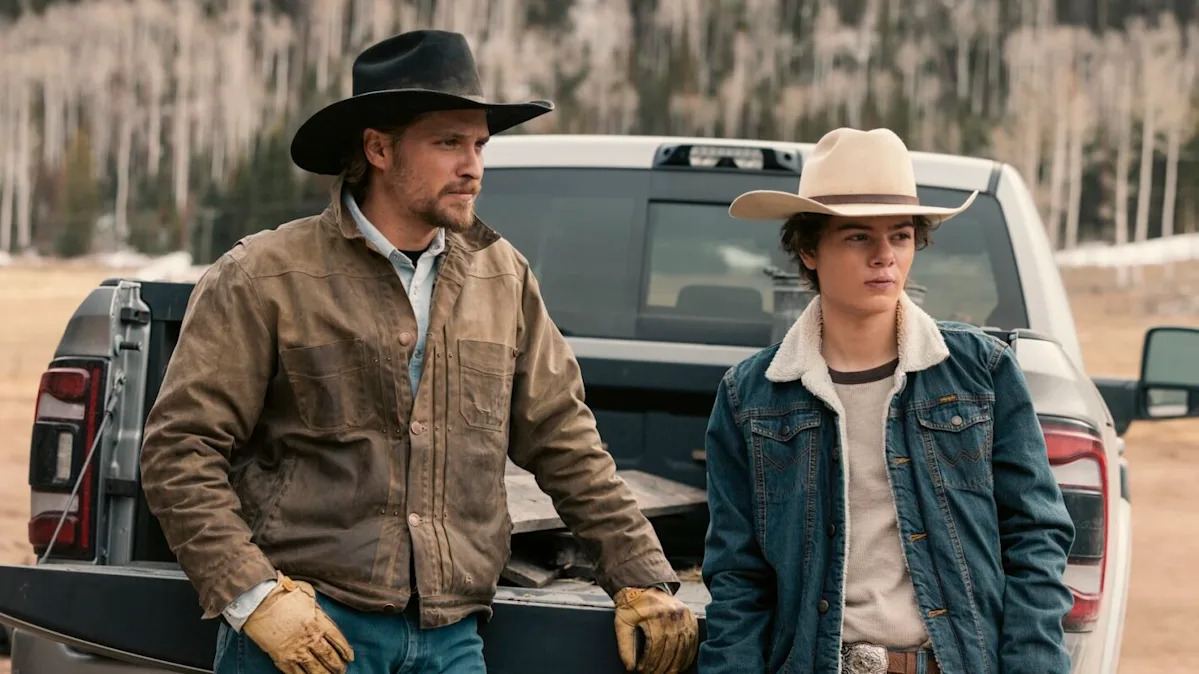
The simultaneous progression of Kayce Dutton’s personal narrative, including his rejection of Weaver’s offer to purchase his ranch and his burgeoning relationship with Weaver’s daughter, Dolly, highlights the intricate layering of personal and professional stakes. These intertwined plotlines are crucial for multifaceted character development, providing emotional anchors that deepen audience investment beyond immediate action. This narrative complexity is a strategic differentiator, designed to extend the series’ appeal and ensure narrative longevity, a key factor in content pipeline sustainability.
The perilous situation involving Kayce’s son, Tate, who is unknowingly taken by Tom Weaver under the guise of a fishing trip to Texas, introduces a critical element of vulnerability for the protagonist and escalates the stakes significantly. This narrative choice not only heightens dramatic tension but also strategically positions Tate as a potential linchpin for future plot developments, creating a direct and compelling reason for viewers to return. Furthermore, the strategic deployment of Kayce and Tate’s unawareness regarding the imminent threats underscores a classic dramatic irony, a narrative technique that enhances suspense and audience anticipation. This structural choice is not merely for dramatic effect but serves a functional purpose in serialized television: it ensures that the audience possesses privileged information, fostering a deeper, more active engagement with the unfolding narrative and its potential consequences, thereby strengthening viewer loyalty.
Inter-Franchise Dynamics and Market Positioning
The explicit suggestion of a potential crossover between ‘Marshals’ and the flagship ‘Dutton Ranch’ series, catalyzed by Tate Dutton’s kidnapping, represents a significant strategic maneuver in intellectual property management. Such inter-franchise events are powerful tools for cross-promotion and audience migration, designed to attract viewers from one series to another, thereby expanding the overall audience base for the entire ‘Yellowstone’ universe. This potential crossover, particularly involving a character as central to the Dutton lineage as Tate, leverages the established emotional investment viewers have in the original series. It creates a compelling narrative bridge, offering a strategic pathway to consolidate viewership across different titles within the same creative ecosystem, a common tactic in modern media to maximize franchise value and build a robust content pipeline.
The decision by CBS to air ‘Marshals’ and its strategic narrative choices reflect broader network programming strategies in a transitional media landscape. While the series initially adopted a ‘villain-per-week’ procedural format, its pivot to a season-long antagonist for its second season demonstrates an adaptability to evolving audience preferences and a willingness to evolve storytelling methodologies to sustain long-term engagement. This hybrid approach—combining the episodic accessibility of a procedural with the deep narrative arcs of a serialized drama—is a calculated risk. It aims to broaden the show’s appeal, allowing new viewers to enter without extensive prior knowledge, while simultaneously rewarding loyal viewers with complex, evolving storylines. This strategic balance is crucial for network television, which must cater to diverse viewing habits, optimize advertising inventory, and compete effectively against streaming platforms offering purely serialized content.
The procedural format, with its self-contained weekly conflicts, typically offers predictable scheduling and advertising opportunities, appealing to a broad demographic. However, the introduction of an overarching antagonist for Season 2 signals a strategic shift towards building more enduring narrative tension and character development, which can drive deeper fan loyalty, critical acclaim, and cultural relevance, thereby enhancing the show’s long-term value proposition and securing a competitive edge.
Operational and Talent Management Implications
The depiction of continued violence in the ‘mountains of Montana’ highlights the significant operational and logistical demands inherent in producing a high-stakes action drama. Location shooting in challenging environments, specialized stunt coordination, and sophisticated visual effects contribute substantially to production budgets, requiring careful financial management and robust logistical planning. These costs are strategic investments, designed to deliver the cinematic quality expected by audiences of the ‘Yellowstone’ franchise, reinforcing brand authenticity and differentiating the series in a crowded market.
The implied contractual status of ‘series regulars’ like Cal and Belle, whose fates are left ambiguous in the finale, underscores the complex dynamics of talent management in television production. Decisions regarding character survival or departure often involve intricate negotiations, balancing creative imperatives with contractual obligations, actor availability, and the strategic importance of key cast members to the show’s marketability and audience appeal. Such narrative ambiguities can serve as leverage in contract renegotiations, generating valuable public relations and fan speculation.
The potential exit of Deputy U.S. Marshal Andrea Cruz introduces another layer of talent management considerations. Such character departures can be driven by a variety of factors, including actor availability, creative direction, or budgetary constraints. Managing these transitions effectively is critical for maintaining narrative coherence and audience satisfaction, while also navigating the financial implications of cast changes and minimizing potential negative audience reactions.
The reference to Kayce Dutton having ‘lost his wife somewhere between the end’ of prior events provides a crucial piece of character backstory, informing his current emotional state and motivations. This narrative decision allows the spinoff to establish its own timeline and character arcs, distinguishing itself from the original series while still operating within the broader ‘Yellowstone’ continuity. This is a strategic move to foster independent growth, ensuring the spinoff can develop its own unique identity and narrative trajectory without being strictly beholden to the flagship’s ongoing plot or character limitations. Establishing a distinct timeline, particularly with the implied passing of John Dutton, grants ‘Marshals’ creative autonomy while simultaneously benefiting from the powerful brand equity of its parent series, thereby extending the overall IP lifecycle and market reach.
Audience Engagement and Competitive Edge
The ‘Romeo and Juliet vibes’ attributed to Kayce’s new relationship with Dolly, the antagonist’s daughter, exemplify a classic narrative trope strategically employed to deepen emotional conflict and audience investment. Such archetypal storylines resonate broadly, adding layers of complexity to the central land dispute and positioning the series for sustained dramatic tension across seasons. This strategic use of romantic entanglement, particularly one fraught with familial conflict, serves to humanize the broader geopolitical struggles within the ‘Yellowstone’ universe. It provides a relatable, emotional hook that complements the high-stakes action and political intrigue, thereby broadening the show’s appeal to a wider demographic and enhancing its competitive edge in a crowded market by offering multi-layered engagement points.
The finale’s airing on CBS on a Sunday, May 24, positions ‘Marshals’ within a competitive prime-time slot, indicating the network’s confidence in the series’ ability to attract and retain a significant audience. Strategic scheduling is paramount in network television, aiming to maximize live viewership, optimize advertising revenue, and establish consistent viewing habits by placing content where it can best capture and hold attention against rival programming and streaming options.
The deliberate creation of fan speculation, particularly around the ‘Dutton Ranch’ crossover potential, is a powerful form of organic marketing. This engagement fosters a sense of community among viewers, driving social media discussions, online chatter, and fan theories, which are invaluable for maintaining the show’s cultural relevance and attracting new audiences without direct advertising expenditure. This ‘earned media’ significantly contributes to the show’s visibility and perceived value.
Ultimately, the season one finale of ‘Marshals’ demonstrates a sophisticated understanding of television production as a strategic enterprise within a dynamic media ecosystem. Every plot twist, character introduction, narrative decision, and production choice is meticulously crafted to serve multiple, interconnected objectives: to entertain, to build and expand franchise value, to secure audience loyalty, and to position the series competitively. The interplay of these creative, operational, financial, and strategic considerations underpins successful television programming in the current era, driving both artistic ambition and commercial viability for the ‘Yellowstone’ universe.