Cunningham’s All-NBA First Team Selection Signals Strategic Pivot for Pistons
Cade Cunningham’s landmark selection to the 2025-26 All-NBA First Team, a feat unseen for a Detroit Pistons player since Grant Hill in 1996-97, signifies a profound evolution in the franchise’s competitive standing and strategic direction. This achievement, alongside teammate Jalen Duren’s Third Team selection, not only validates recent team performance but critically elevates the organization’s stature among the league’s elite.
Cunningham’s MVP-caliber season, highlighted by 23.9 points on 56.1% shooting and 9.9 assists, solidifies his position as a foundational asset. His market value and leverage have demonstrably increased, with his dual-threat offensive capabilities and crucial defensive contributions (1.4 steals, 54 blocks) aligning perfectly with modern NBA player archetypes, enhancing his appeal to fans and endorsement partners.
The Pistons’ 60-win season provides the essential context for Cunningham’s individual accolades, indicating systemic improvement beyond a single player. This collective success is paramount for attracting and retaining top-tier talent, signaling a viable path to sustained competitiveness and influencing future free agency and trade valuations.
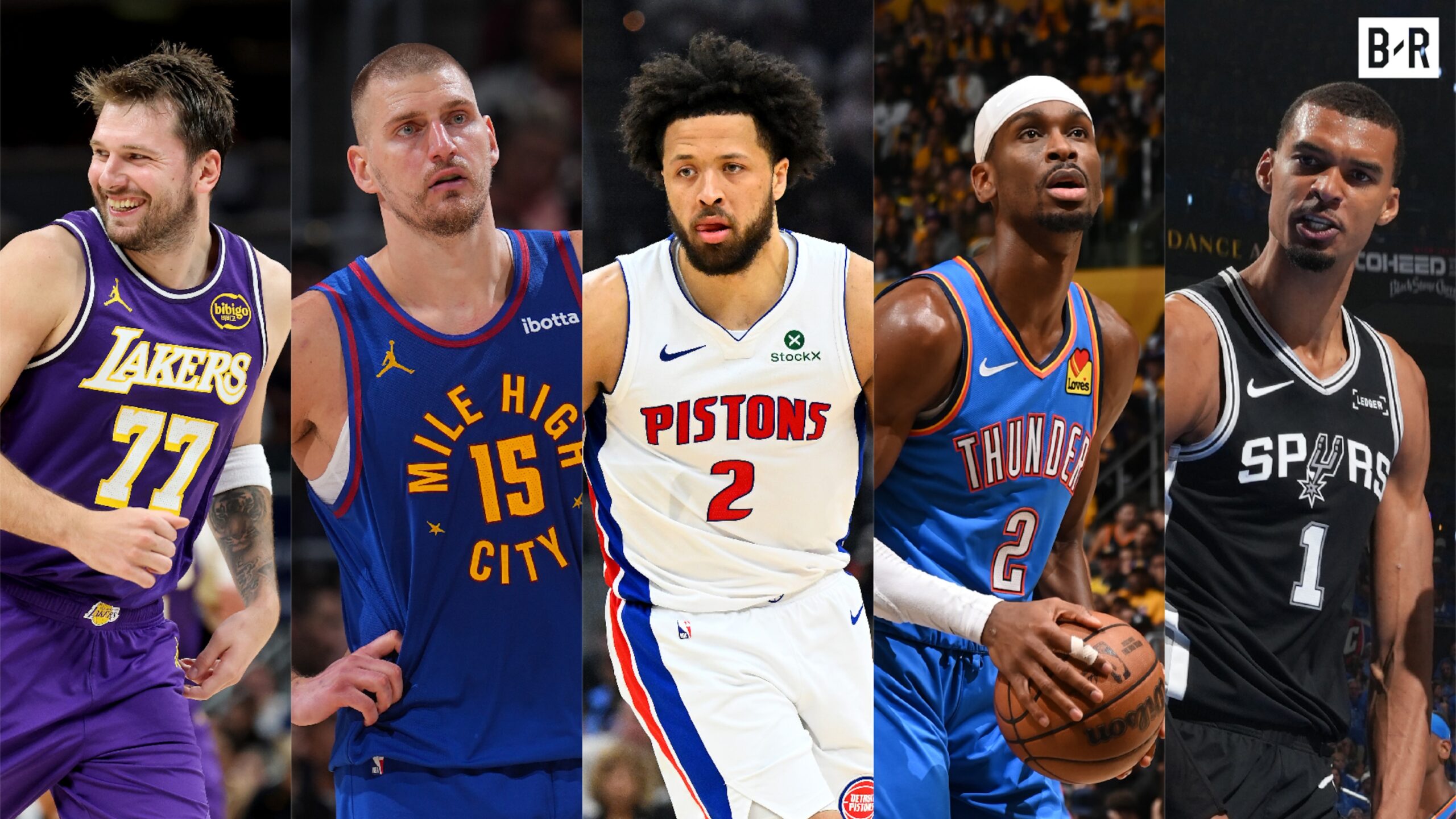
Cunningham’s inclusion in the First Team, alongside luminaries like Shai Gilgeous-Alexander, Luka Dončić, Nikola Jokić, and Victor Wembanyama, places him within the league’s current apex. This association amplifies his brand visibility and establishes him as a peer among the NBA’s most impactful players, directly influencing future endorsements and media narratives surrounding the Pistons.
Jalen Duren’s Third Team All-NBA selection further underscores the burgeoning talent within the Pistons’ roster, demonstrating balanced development across key positions. This depth is crucial for building a sustainable championship contender and provides a robust foundation for future team-building strategies.
The league’s flexibility in granting exceptions for players like Cunningham and Dončić, despite initial injury ineligibility, highlights a procedural adaptability that can influence team strategies during seasons with player availability challenges. This precedent suggests teams may consider how exceptional performance can still be recognized, potentially impacting load management and injury protocols.
Shai Gilgeous-Alexander’s consecutive MVP awards and fourth-straight First Team All-NBA nod serve as benchmarks for sustained excellence. His statistical output (31.1 PPG, 6.6 APG on high efficiency) offers a comparative metric against which Cunningham’s ascent can be measured within the league’s top tier.
Nikola Jokić’s fifth First Team selection reinforces his legacy, demonstrating the long-term impact of consistent high performance and strategic team building. His sustained presence at the pinnacle provides a model for organizational stability and player development, influencing roster construction and player evaluation across the league.
Victor Wembanyama’s rapid ascent to his first All-NBA nod in year three signifies unprecedented impact and the league’s recognition of transformative talent. His inclusion alongside established veterans signals a generational shift, creating new competitive dynamics and influencing future scouting and development paradigms.
The All-NBA Second Team, featuring Jalen Brown, Kawhi Leonard, Donovan Mitchell, Kevin Durant, and Jalen Brunson, showcases the league’s depth of elite talent. This stratification impacts player movement, contract negotiations, and strategic asset acquisition in the trade market.
Kevin Durant’s historical achievement with his latest selection highlights the enduring impact of veteran superstars and the strategic value of retaining them for franchise stability and marketability. His continued elite performance exemplifies the long-term influence of experienced talent on team dynamics.
The emergence of new talent, as seen with Chet Holmgren, Jalen Johnson, Tyrese Maxey, and Jamal Murray on the Third Team, indicates an evolving league landscape. These selections highlight a healthy pipeline of developing stars who will shape future competitive balance and strategic planning for all franchises.
The Pistons’ ability to achieve a 60-win season and secure two All-NBA selections fundamentally alters their market perception and financial outlook. This enhanced status translates to increased revenue streams, providing greater capital for future player acquisitions and infrastructure development.
From a capital allocation perspective, Cunningham’s performance and recognition justify significant long-term investment, potentially influencing the team’s willingness to offer maximum contract extensions and pursue complementary star talent. This strategic commitment is vital for maintaining momentum and capitalizing on their competitive window.
The competitive implications for other franchises are substantial, as the Pistons’ resurgence challenges established hierarchies and potentially disrupts traditional team-building models. Eastern Conference powerhouses must adapt their strategies to counter Detroit’s newfound strength and Cunningham’s emergence as a premier player.
Reputational pressures on the Pistons’ front office and coaching staff will intensify, with the expectation of sustained success now paramount. Failure to build upon this foundation could lead to significant scrutiny and a reversal of positive momentum.
The league office benefits from the narrative of a historic franchise returning to prominence, driven by a homegrown star. This storyline enhances league-wide interest and provides compelling content for media partners, reinforcing the NBA’s brand.
For players on the cusp of All-NBA consideration, Cunningham’s success serves as both inspiration and a benchmark, potentially influencing their training and career decisions. The pursuit of such individual honors will drive increased competition and performance across the league.
The financial incentives for players like Cunningham are magnified, as All-NBA selections often correlate with increased salary cap flexibility for their teams and eligibility for higher maximum contract values, directly impacting earning potential and long-term financial security.
Strategic decisions by the Pistons’ management in upcoming offseasons will be heavily scrutinized, given their validated superstar and clear mandate to contend. Any missteps in player acquisition or roster management could be particularly damaging.
The broader media landscape will likely frame the Pistons’ transformation around Cunningham’s leadership and the team’s resurgence. This increased exposure can attract new fan bases and generate significant revenue streams, solidifying the team’s market position.
Culturally within Detroit, Cunningham’s achievement represents a significant morale boost and a renewed sense of civic pride. This connection between athletic success and community identity is a powerful driver of fan engagement and loyalty.
Structural implications for the NBA include the potential for a more diversified competitive landscape, with the Pistons emerging as a legitimate contender. This shift can lead to more compelling playoff matchups and a broader distribution of fan interest across markets.
The performance leverage gained by the Pistons is substantial; their current roster has demonstrated the capacity to compete at the highest level. This leverage can be used to attract veteran talent seeking championships and to negotiate favorable trade packages for roster adjustments.
Capital movement within the league will be influenced by the Pistons’ success, potentially shifting investment towards franchises exhibiting strong player development and strategic roster building, leading to a more dynamic market for player contracts and team valuations.
The long-term strategic vision for the Pistons must now incorporate sustained contention, moving beyond a rebuilding phase. This requires commitment to retaining and augmenting core talent to maximize Cunningham’s prime years for championship pursuits.
The league’s emphasis on individual accolades as indicators of team success reinforces the importance of star power in driving fan engagement and commercial viability. Cunningham’s selection exemplifies how individual brilliance can elevate an entire franchise.
The competitive balance within the league is a constant consideration for the NBA, and the rise of the Pistons adds a new dynamic to the established order, ensuring the league remains engaging and unpredictable.
Financial implications for the league extend beyond individual team revenues, as the overall health and competitiveness of franchises contribute to the NBA’s collective media rights deals and sponsorship agreements. A stronger Pistons franchise enhances the league’s overall appeal.
Strategic decision-making for the Pistons’ ownership and management will be critical in navigating this new era of heightened expectations. Their ability to make astute personnel decisions and foster a winning culture will determine the longevity of their current success.
The cultural impact of Cunningham’s achievement resonates beyond basketball, symbolizing the potential for individual talent and collective effort to revitalize a sports franchise and inspire a city. This narrative is a powerful element of the NBA’s broader appeal.
The structural integrity of the Pistons’ organization, from scouting and player development to coaching and management, has been validated by this season’s results, demonstrating a robust operational framework capable of supporting sustained success.
The performance leverage of a team with a confirmed superstar and a strong supporting cast is significant in trade negotiations and free agency recruitment. Opposing teams recognize the difficulty of acquiring such talent, and free agents are drawn to proven winning environments.
The capital investment required to maintain a championship-contending roster is substantial, and the Pistons’ current trajectory suggests a willingness to make such investments, essential for capitalizing on their competitive window.
The strategic imperative for the Pistons is clear: to build a championship-caliber team around Cade Cunningham, leveraging his current peak performance and future potential. This requires a focused approach to roster construction and a commitment to long-term success.
The league’s narrative arc often centers on the rise of new stars and the sustained excellence of established ones. Cunningham’s All-NBA First Team selection firmly places him within this evolving narrative, highlighting the dynamic nature of the NBA’s competitive landscape.
The financial sustainability of a winning franchise is directly linked to its ability to generate revenue through ticket sales, merchandise, and media rights. The Pistons’ current success provides a strong foundation for continued financial growth and stability.
The strategic alignment between player development, coaching philosophy, and front office decision-making has been a critical factor in the Pistons’ resurgence, providing a cohesive approach essential for long-term success.
The cultural significance of a successful sports team extends to its role as a unifying force within a community. The Pistons’ current performance fosters a sense of shared identity and pride among their fanbase.
The structural framework of the NBA, including salary cap and player movement rules, influences how teams build and maintain elite rosters. Navigating these regulations effectively is crucial for sustained competitiveness.
The performance leverage of a team with a recognized superstar is a powerful asset in all aspects of team operations, from player recruitment to marketing and sponsorship, amplifying the team’s overall value.
Capital deployment strategies for franchises are increasingly influenced by the proven success of player-centric models, where a dominant individual talent drives team performance and market appeal. The Pistons’ current situation exemplifies this trend.
The strategic advantage gained by the Pistons through their current success is multifaceted, impacting their ability to attract talent, secure favorable sponsorships, and command higher media rights valuations, creating a virtuous cycle of growth and competitiveness.
The league’s ongoing evolution is shaped by the emergence of new stars and the sustained dominance of established ones. Cunningham’s All-NBA recognition solidifies his position within this dynamic landscape, influencing future player valuations and team-building strategies across the NBA.