Eastern Conference Strategic Positioning
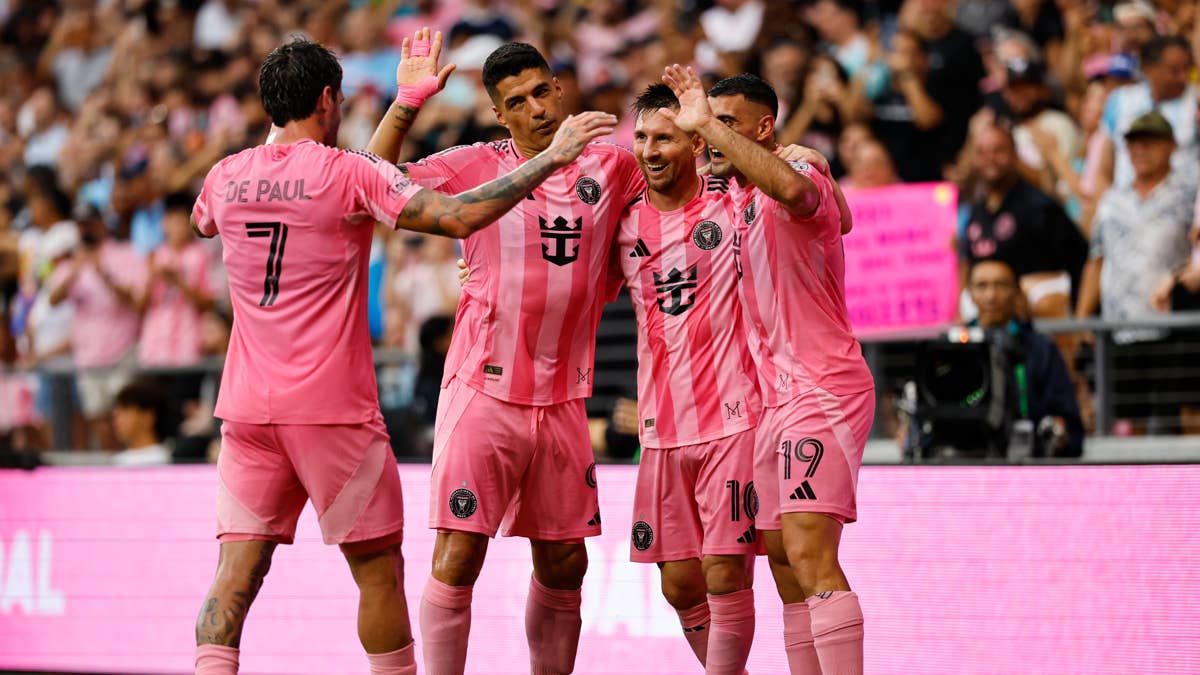
As Inter Miami CF prepares to host the Philadelphia Union on May 24, 2026, the match serves as a crucial barometer for divergent franchise trajectories. Inter Miami currently sits second with 28 points, positioning them to challenge Nashville SC for the conference lead. Conversely, the Philadelphia Union occupies the lower echelon of the table with only 7 points from 14 matches, necessitating an immediate tactical correction to stabilize their season.
Operational Logistics and Revenue Optimization
The fixture at Nu Stadium, highlighted by the ‘ERGO NEXT Insurance Takeover Night,’ illustrates the sophisticated integration of corporate partnerships into matchday operations. By incentivizing public transit usage via $10 concessions credits, the club optimizes venue throughput during high-demand events. Furthermore, the mandatory pre-purchase of parking passes in the Audi Black and Red lots represents a transition to a digital-first, data-driven attendance model designed to minimize logistical friction.
Tactical Continuity and Competitive Metrics
Inter Miami’s recent 2-0 victory over the Portland Timbers underscores a reliance on individual offensive brilliance, specifically from Lionel Messi and German Berterame, to secure results. Their +9 goal difference reflects an effective balance of offensive output and defensive structural integrity. In contrast, the Philadelphia Union’s 1-1 draw against the Columbus Crew highlights persistent defensive volatility. Despite an early lead via Hugo Picard, the team’s inability to neutralize Milan Iloski’s equalizer reflects the systemic vulnerabilities contributing to their 1-9-4 record.
Institutional and Economic Outlook
The 2026 season data indicates a stratified Eastern Conference. For Philadelphia, a -10 goal difference reveals a critical need for roster optimization and personnel reassessment. Meanwhile, Inter Miami’s ability to maximize both on-field performance and off-field revenue streams, such as the aforementioned corporate activations, distinguishes them as a model for institutional stability. As the campaign reaches its midpoint, the pressure intensifies for underperforming clubs to pivot their strategic focus to prevent long-term erosion of fan sentiment and market position.