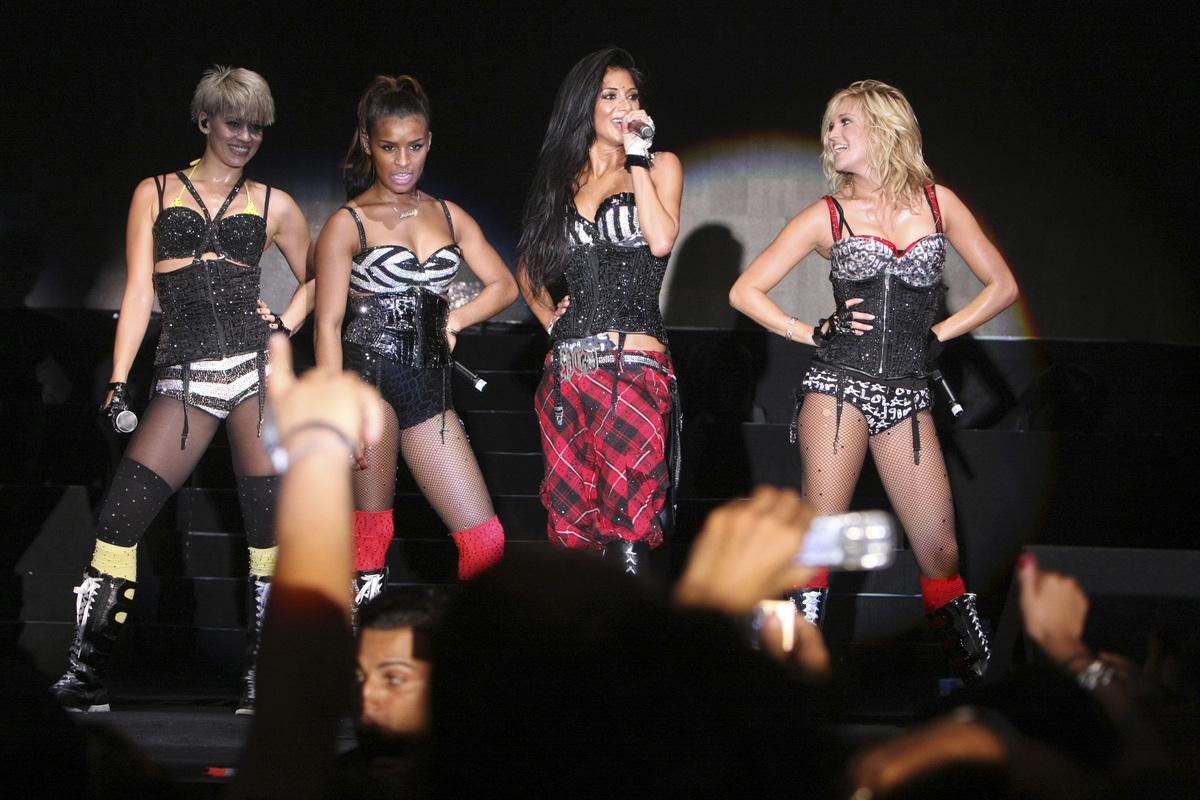
Pussycat Dolls North American Tour Cancellation: A Bellwether for Legacy Act Market Realities
The Pussycat Dolls’ decision to cancel nearly all dates for their planned North American reunion tour serves as a salient case study in the evolving financial viability of large-scale live entertainment, particularly for legacy acts. Industry observers universally attribute this move to insufficient ticket sales, a stark reality acknowledged by the group’s own statement citing “taking an honest look at the North American run” as the basis for a “difficult and heartbreaking decision.” This candid, albeit brief, explanation signals a direct confrontation with market demand, contrasting with other recent tour cancellations often masked by logistical or operational complexities. The lack of elaborate justifications underscores a transparent, albeit challenging, assessment of consumer interest, highlighting broader systemic pressures within the concert industry.
Financial Imperatives and Risk Mitigation in Live Entertainment
Staging a major concert tour entails substantial upfront capital investment, covering venue bookings, intricate logistical coordination, technical production, and extensive marketing. These commitments, often locked in months or years prior, generate significant financial exposure for both artists and promoters. Weak ticket sales directly compromise revenue projections necessary to offset these substantial fixed and variable costs, rendering a tour financially unsustainable.
Consequently, a cancellation like the Pussycat Dolls’ represents a calculated strategic pivot to mitigate escalating losses. This protects capital that would otherwise be depleted by underperforming engagements. This incident underscores a critical vulnerability within the live entertainment sector: the perceived market value of an act, particularly a reunited legacy group, must rigorously align with demonstrated consumer willingness to purchase tickets at prices and volumes required for profitability. Financial models for such ventures are acutely sensitive to fluctuations in audience demand and discretionary spending, making robust risk management paramount.
Strategic Differentiation and Regional Market Viability
The Pussycat Dolls’ continued commitment to their planned UK and European dates, juxtaposed with the North American cancellation, signals a sophisticated strategic assessment of regional market dynamics. This segmentation points to varying levels of audience engagement, distinct operational cost structures, or perhaps differing brand equity across geographical territories. Such a differentiated approach suggests a pragmatic allocation of resources toward markets where profitability or strategic objectives are more attainable.
Furthermore, the group’s decision to maintain a single Los Angeles appearance for a WeHo Pride event highlights a strategic prioritization of engagements offering guaranteed attendance or specific cultural resonance over a broader, commercially uncertain tour. For promoters, a headliner’s cancellation initiates a complex cascade of operational and financial challenges, including schedule reconfigurations, managing extensive refunds, and the urgent need to secure replacement talent. These disruptions incur significant administrative overhead, straining relationships with venues, ticketing partners, and ultimately, impacting consumer trust.
Evolving Market Dynamics and Consumer Selectivity
The Pussycat Dolls’ experience reflects a broader recalibration of the live music market, characterized by a discernible increase in tour cancellations attributed to weak ticket sales. This trend signals evolving consumer spending habits and heightened selectivity in entertainment expenditures. Reunion tours, often leveraged on nostalgia and timed to significant anniversaries—such as the Pussycat Dolls’ 20th anniversary of “PCD”—are finding that historical appeal alone no longer guarantees robust demand. The market now mandates rigorous validation through initial ticket sales, especially in competitive and high-cost regions like North America.
While nostalgia remains a potent draw, it is demonstrably insufficient to consistently fill large venues and sustain extensive touring schedules. Audiences are increasingly discerning, weighing perceived value against ticket prices and available discretionary income, necessitating a more sophisticated approach to market assessment and artist positioning beyond mere legacy status.
Cascading Impacts on Venues and Festival Programming
This cancellation creates significant ripple effects across the live entertainment ecosystem, directly impacting prominent venues like the Maine Savings Amphitheater in Bangor and major festivals such as Summerfest in Milwaukee. For Summerfest, losing the Pussycat Dolls, slated for their inaugural headlining appearance, disrupts a key booking for their 2026 lineup.
Crucially, the Milwaukee concert featured an aggressive promotional incentive—a “special Summerfest bonus show” offering free single-day general admission to other festival dates with ticket purchase. The demonstrable failure of even this enhanced value proposition to stimulate sufficient sales profoundly illustrates the severity of the demand challenge. Such events force festival organizers and venue managers into rapid programming adjustments, leading to potential revenue shortfalls from tickets, concessions, and ancillary services. The urgent scramble for suitable replacement acts is both logistically complex and financially burdensome, jeopardizing overall attendee experience and operational efficiency.
Brand Implications and Strategic Adaptation
For the Pussycat Dolls, specifically the lineup of Nicole Scherzinger, Kimberly Wyatt, and Ashley Roberts, this cancellation carries significant implications for their brand perception and future commercial viability. While the decision is market-driven, it risks inadvertently eroding public confidence in future tour announcements. The group’s commitment to international dates, however, indicates a calculated strategy: identifying specific markets where brand equity and audience demand justify operational investment. This geographic differentiation is paramount for managing their long-term commercial trajectory.
The carefully crafted messaging, emphasizing a “difficult and heartbreaking decision,” aims to manage fan expectations and mitigate reputational damage. Yet, for industry analysts, the underlying financial realities of insufficient demand will remain the dominant narrative, influencing future promoter and investor appetite for similar ventures.
The Evolving Landscape of Legacy Touring and Risk Management
This incident serves as a critical case study in the evolving economics of legacy acts within the live music sector. The traditional touring models for reunited groups are undergoing significant re-evaluation against contemporary consumer behaviors, heightened competition, and economic pressures. The era of guaranteed sell-outs for well-known names has become increasingly nuanced, demanding more rigorous market research, flexible operational planning, and transparent communication.
The cancellation underscores the inherent financial risks in large-scale live entertainment. Promoters and investors must perpetually assess consumer demand volatility, the competitive landscape, and an artist’s specific market appeal. The “honest look” taken by the Pussycat Dolls’ management exemplifies a calculated decision rooted in sophisticated risk management, prioritizing the mitigation of potential financial liabilities over incurring greater losses from underperforming engagements. This event highlights the imperative for robust contingency planning and adaptable business models, influencing capital allocation and strategic planning for future tours across the industry.
Transparency in Crisis Communication
The Pussycat Dolls’ succinct social media announcement, directly acknowledging the cancellation without resorting to common external justifications, contributes significantly to ongoing industry discourse on transparency in artist-fan communications. In an era of rapid information dissemination, the clarity—or obfuscation—surrounding tour cancellations profoundly impacts public perception and stakeholder trust. The absence of “other excuses” for the North American decision provides a clear, albeit challenging, interpretation of direct market performance. This approach sets a precedent for how artists and management navigate sensitive commercial setbacks, balancing candid communication with brand preservation.
Outlook: Reshaping Reunion Tour Strategies
The Pussycat Dolls’ North American tour cancellation underscores a critical segmentation within the reunion tour market. While a select few legacy acts retain immense drawing power, many face an increasingly arduous landscape, particularly in regions burdened by high operational costs and abundant entertainment alternatives. The future success of reunion tours hinges on a precise understanding of audience demographics, granular regional market saturation, and a unique value proposition extending beyond mere nostalgia. Established brands must perpetually validate their market appeal and adapt touring strategies to prevailing economic and cultural currents. This incident serves as a stark reminder of the live music industry’s dynamic nature, demanding constant vigilance and strategic flexibility from all participants to navigate its evolving challenges.