Strategic Pivot: From Maritime Decay to Luxury Destination
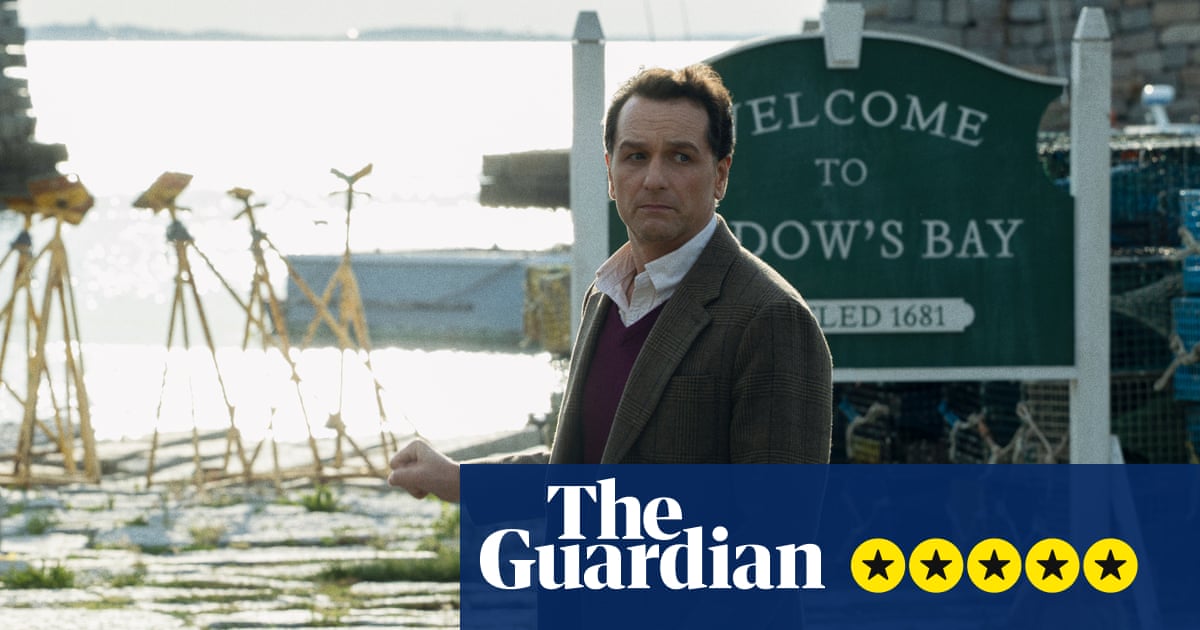
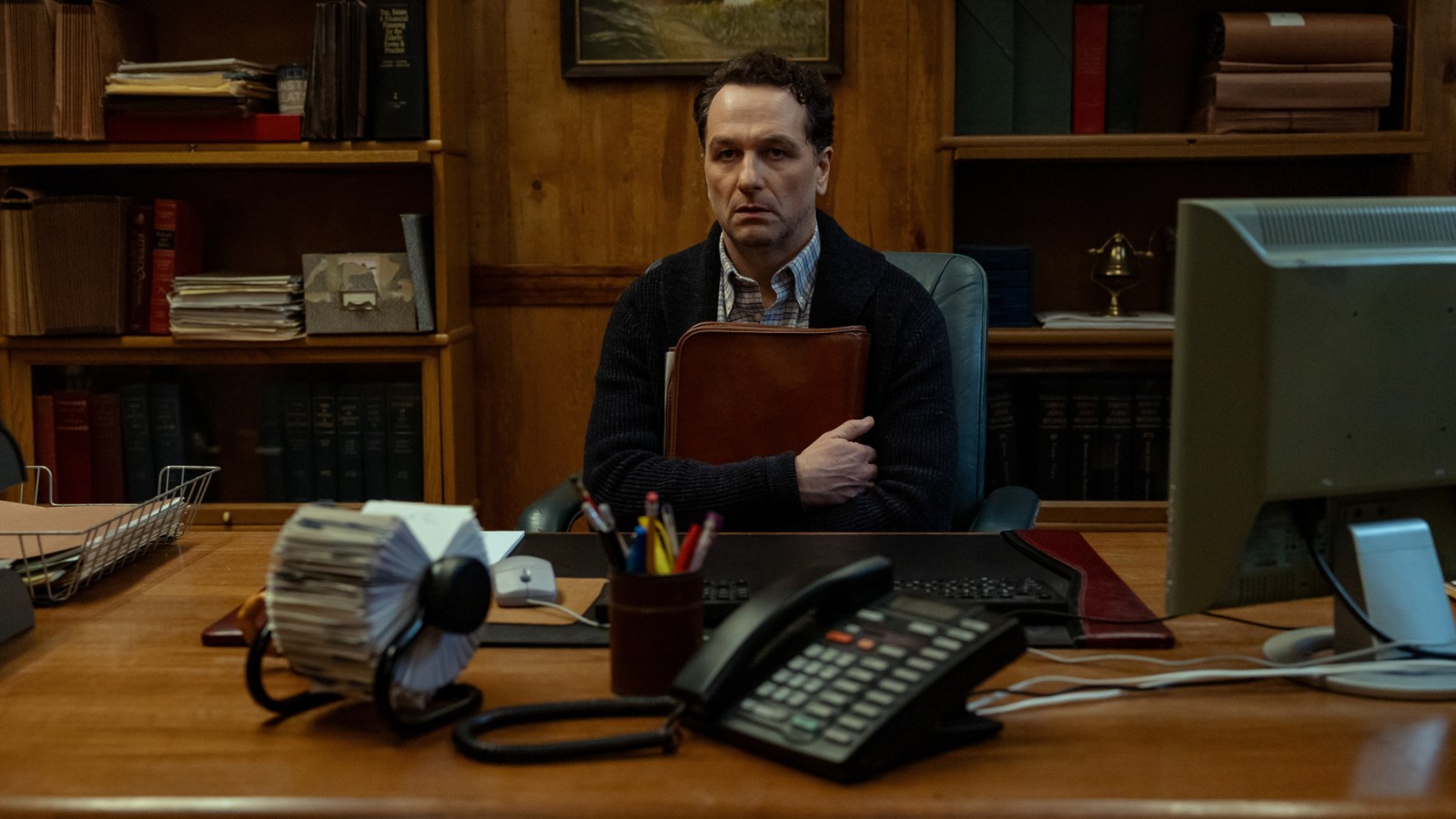
The revitalization of Widow’s Bay represents a high-stakes experiment in municipal rebranding. Under the leadership of Mayor Tom Loftis (Matthew Rhys), the administration seeks to transition the island from a stagnant maritime economy into a premium seasonal enclave, emulating the capital-intensive models of Martha’s Vineyard. This repositioning requires narrative arbitrage: rebranding historical trauma—ranging from 19th-century cannibalism to active supernatural threats—into marketable ‘local charm’ or neutralizing it entirely to attract high-net-worth investment.
Infrastructure Deficits and Ontological Liabilities
The town’s economic expansion is hampered by severe operational friction. Beyond standard infrastructure gaps like digital connectivity and spotty cellular service, Widow’s Bay faces ‘ontological liabilities’—localized phenomena including toxic fog and temporal distortions. These factors do not merely represent neglect but active environmental hostility that complicates standard development protocols and increases the cost of municipal maintenance.
Governance Under Information Asymmetry
Mayor Loftis’s growth-oriented agenda operates within a framework of profound information asymmetry. While the administration attempts to curate a sanitized historical narrative through the town’s historical center, the local populace and administrative staff remain acutely aware of active risks—including localized serial killers and mythological threats. This creates an internal friction between the desire for external capital and the survival-based skepticism of long-term residents, personified by figures like Wyck, who view modernization as an invitation to catastrophe.
Risk Management and Brand Equity
From a risk management perspective, the administration’s strategy hinges on the containment of liability. By contextualizing the island’s violent history as part of a broader American folk tradition, the Mayor attempts to insulate the town’s brand equity from its existential volatility. However, the persistence of these threats suggests that the ‘Widow’s Bay Curse’ is an active variable that traditional policy instruments are ill-equipped to manage, transforming governance into a continuous exercise in crisis response.
Institutional Analysis: The Murai-Dippold Framework
The 10-part series, directed by Hiro Murai and created by Katie Dippold, functions as a case study in institutional resilience. The narrative’s synthesis of horror, comedy, and procedural drama mirrors the complexity of managing a municipality under duress. Loftis’s decisions are framed not merely as political maneuvers but as survival strategies within a hostile geography where the traditional rules of public administration are superseded by metaphysical necessity.
Conclusion: The Viability of High-Risk Development
Widow’s Bay serves as a cautionary tale regarding the limits of top-down economic planning. The town’s competitive advantage—its perceived authenticity—is inextricably linked to its primary source of risk. The success of Loftis’s vision depends on whether a municipality can effectively commodify its own instability without being consumed by it. For stakeholders, the island remains a high-yield, high-volatility asset where the line between economic prosperity and total system failure is dangerously thin.