Mets Navigate Complexities After Snapping Historic Losing Streak
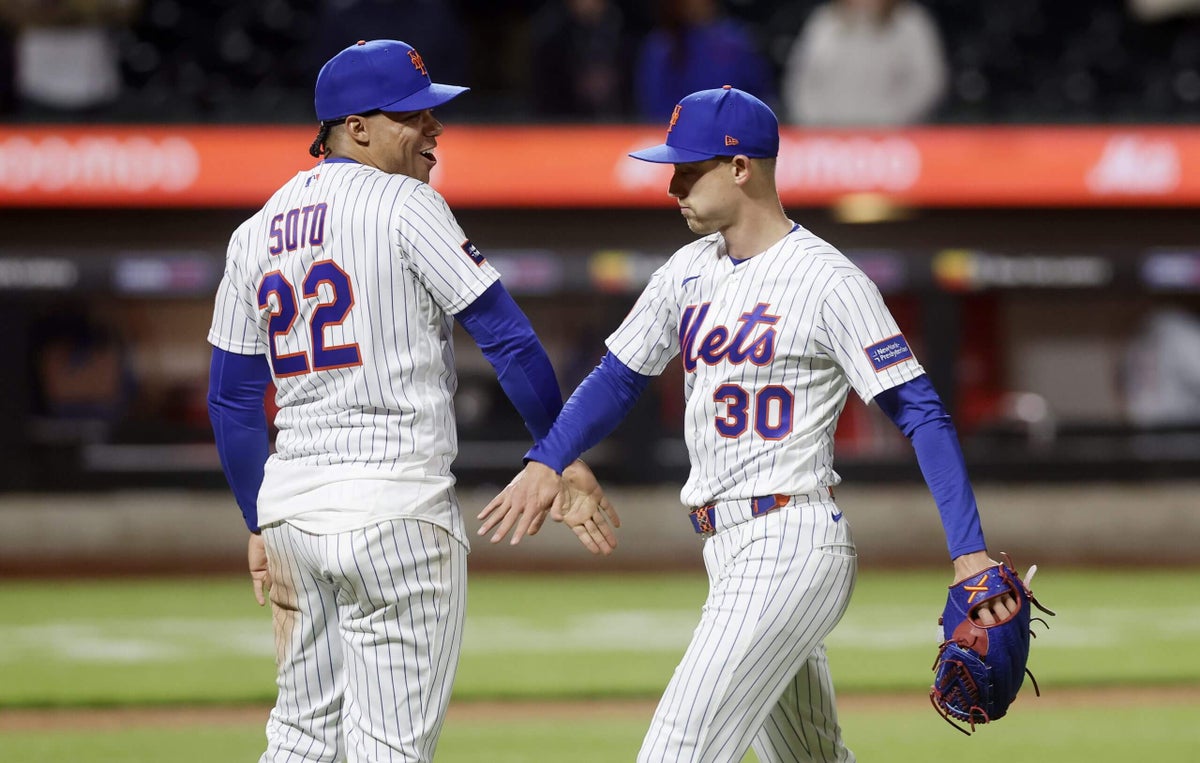
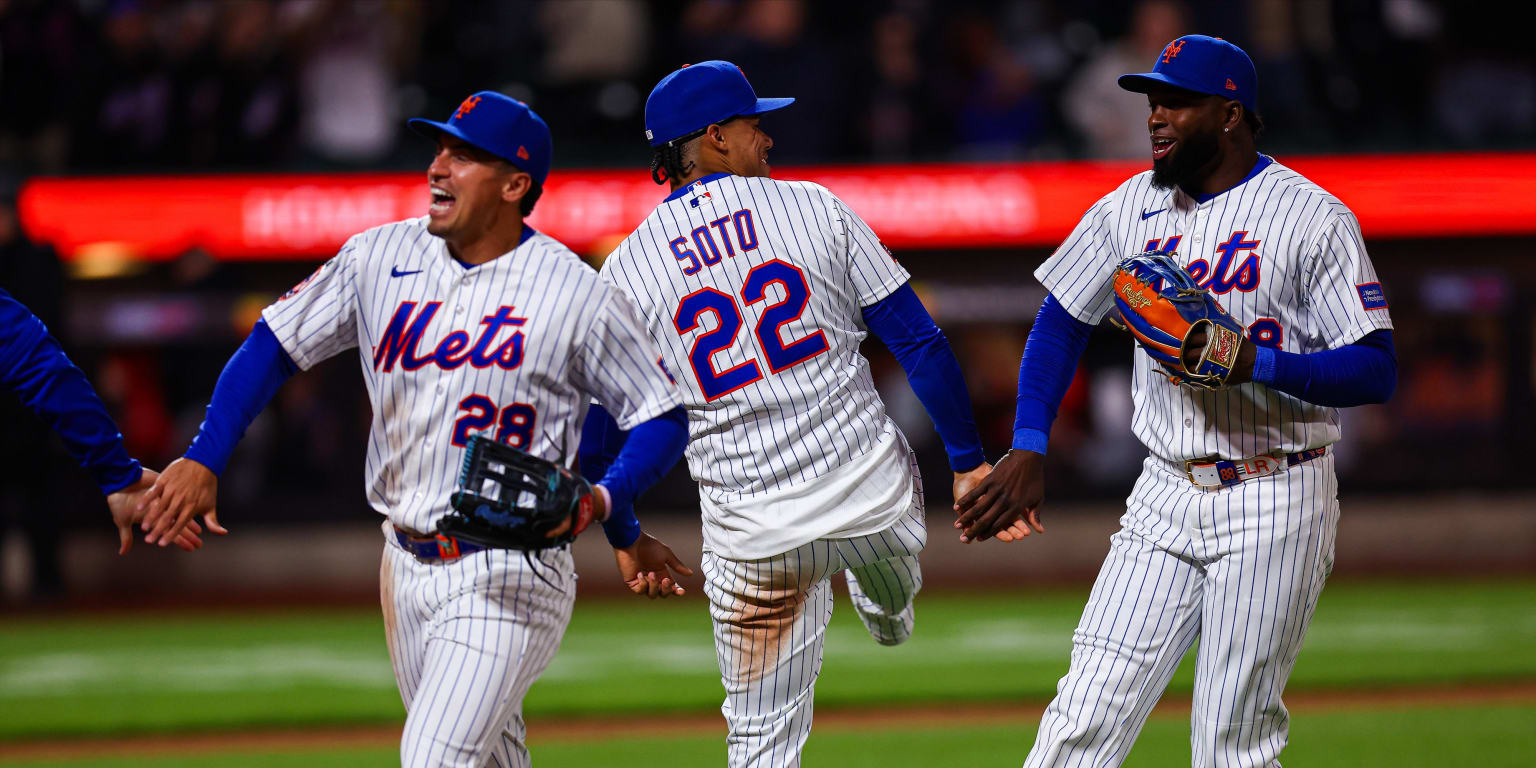
The New York Mets recently concluded a protracted 12-game losing streak by securing a 3-2 victory against the Minnesota Twins. This win served as the team’s first success since April 7, providing a temporary reprieve from a skid that stood as their longest since 2002 and their most challenging April performance since 1962.
Despite this critical victory, the operational landscape remains precarious, underscored by shortstop Francisco Lindor’s exit due to left calf tightness. With Lindor scheduled for an MRI, the organization faces immediate roster instability and the necessity of rapid tactical recalibration.
Institutional Pressures and Performance Underperformance
A 12-game losing streak in professional baseball functions as more than a statistical deviation; it imposes profound psychological and operational burdens on a franchise. Such sustained underperformance risks eroding player confidence, straining clubhouse cohesion, and questioning the efficacy of established coaching paradigms.
Historical context—specifically the 2002 and 1962 markers—amplifies the institutional pressure facing the club. These benchmarks frame the recent slump as a deep-seated performance challenge that threatens both long-term organizational stability and brand equity.
For a high-market franchise, prolonged struggles directly suppress fan engagement, which fundamentally threatens vital revenue streams including ticket sales and broadcast viewership. A sustained erosion of consumer confidence often forces management to reconsider long-term capital allocation toward talent acquisition and infrastructure.
The competitive reality of an 8-16 record places the team at a severe early-season disadvantage. This deficit mandates a high-velocity strategic response from the front office to prevent further damage to postseason aspirations and divisional relevance.
Strategic Implications of Player Health and Roster Depth
The potential loss of Francisco Lindor introduces significant strategic complications regarding defensive alignment and offensive output. His placement on the injury list mandates a stress test for the team’s contingency planning and organizational depth.
The absence of a cornerstone player forces coaching staff to redistribute production responsibilities across less-tested personnel. This reliance on depth reveals the hidden strengths or deficiencies in the minor league pipeline and scouting efficacy.
Conversely, the recovery of Juan Soto from his calf injury offers a psychological and performance boost that illustrates the reliance on elite-level talent. Fan sentiment, manifested through public calls for a ‘savior,’ highlights the external market pressures that influence internal roster decision-making.
Effective management of high-value assets like Lindor and Soto is essential for long-term fiscal and competitive success. Decisions regarding rehabilitation timelines carry weight that extends far beyond individual game outcomes, directly impacting the club’s seasonal trajectory.
Operational Discipline and Managerial Philosophy
The decision by Mark Vientos to disregard a third-base coach’s stop sign—resulting in an out—serves as a case study in organizational discipline. This incident highlights the friction between individual player intuition and systemic tactical adherence.
Vientos’s justification based on ‘instincts’ exposes potential gaps in communication and collective game-plan execution. Such moments require the coaching staff to reconcile individual player agency with the necessity for structural, error-free play.
Manager Carlos Mendoza’s choice to maintain a positive public narrative during this period reflects a specific leadership strategy. By prioritizing psychological resilience over punitive action, the staff aims to preserve morale and avoid the compounding effects of sustained losing.
This management style carries risks, as it must balance the cultivation of player confidence with the enforcement of necessary tactical rigor. The ultimate success of this philosophy will be measured by the team’s ability to reduce high-stakes operational errors in future close-game scenarios.