Organizational Pivot: From Continuity to Market Liquidity
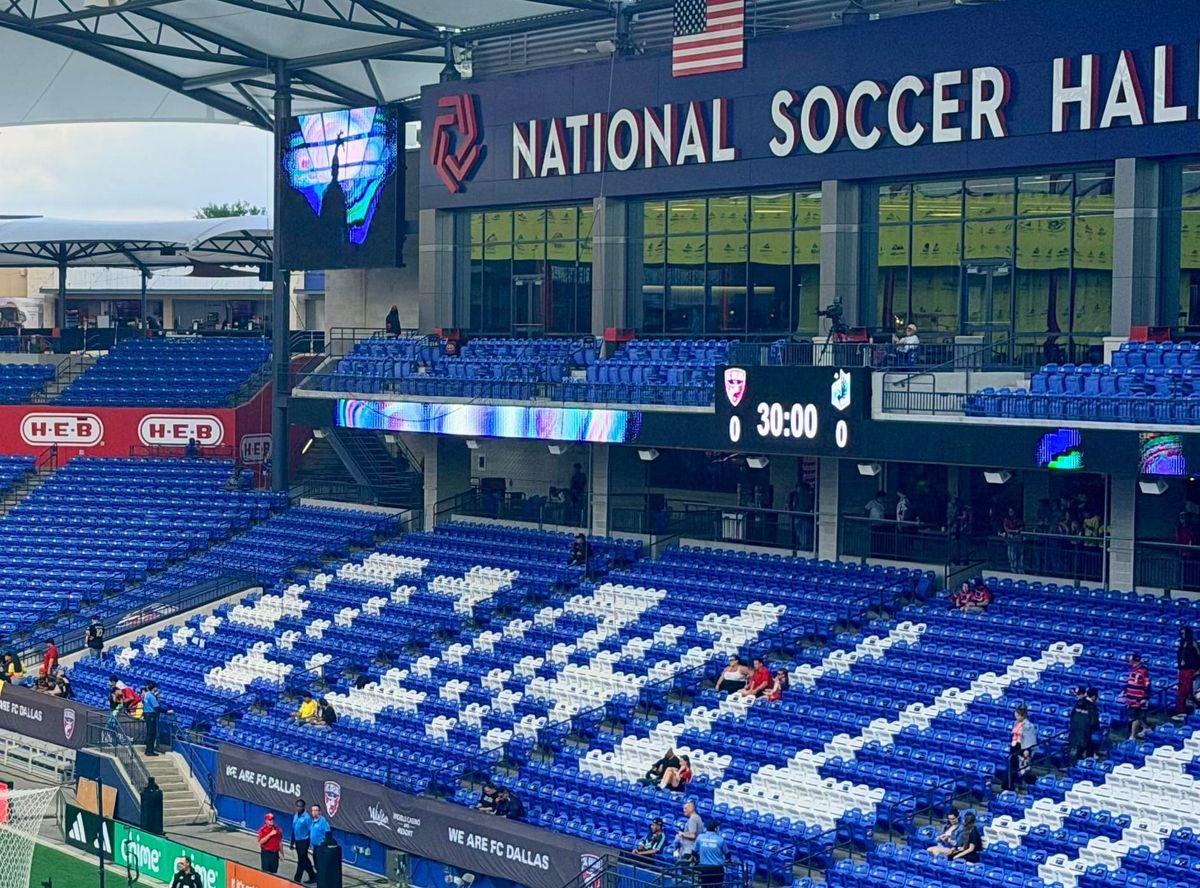
The midweek fixture between FC Dallas and Minnesota United at Toyota Stadium serves as a case study in divergent squad-building philosophies. FC Dallas has undergone a radical institutional transformation, characterized by a near-total erosion of roster continuity. Analysis of the current starting XI reveals that ten of the eleven primary starters were integrated post-2022, signaling a shift from a retention-based model toward a strategy defined by asset cycling and market liquidity. The departures of Jesús Ferreira and Ricardo Pepi underscore this transition, leaving Bernard Kamungo as the sole link to the club’s pre-2023 developmental identity.
Tactical Reconfiguration: The 3-4-3 Defensive-Offensive Balance
To counteract a stagnating homestand marked by consecutive draws, head coach Eric Quill has implemented a 3-4-3 system. This strategic pivot aims to maximize verticality while addressing the finishing deficit. By awarding Santiago Moreno his first start alongside Petar Musa, the technical staff is prioritizing creative synergy over the directness of Logan Farrington. Structurally, this requires Nolan Norris to provide defensive cover, allowing Shaq Moore to operate as an expansive wing-back. The success of this system hinges on transitional efficiency; any lapse in wing-back recovery will expose the three-man backline to Minnesota’s established counter-attacking patterns.
Minnesota’s Momentum vs. Fixture Congestion Logistics
In contrast to Dallas’s experimental phase, Minnesota United arrives with tactical stability and a three-match winning streak. Currently sixth in the Western Conference, the Loons face the dual challenge of maintaining intensity amid heightening fixture congestion. With a reduced rest interval, Minnesota’s performance will depend on load management and the depth of their secondary rotation. While historical data points to a long-standing rivalry, the lack of tenure in the Dallas squad renders previous scouting reports largely obsolete, forcing Minnesota to adapt to Quill’s emerging tactical blueprints in real-time.
The Economic and Competitive Imperative
With only a single point separating these clubs, the match carries significant weight in a volatile Western Conference. For FC Dallas, the inability to convert home-field advantage into three points is a business risk, potentially impacting matchday revenue and season-ticket holder sentiment. The integration of high-value acquisitions like Musa and Moreno must yield immediate competitive returns to justify recent capital expenditure. As both teams navigate the end of this homestand cycle, the result will validate or indict their respective approaches to squad depth and mid-season tactical evolution.