Premier League Imperatives: Survival vs. Supremacy
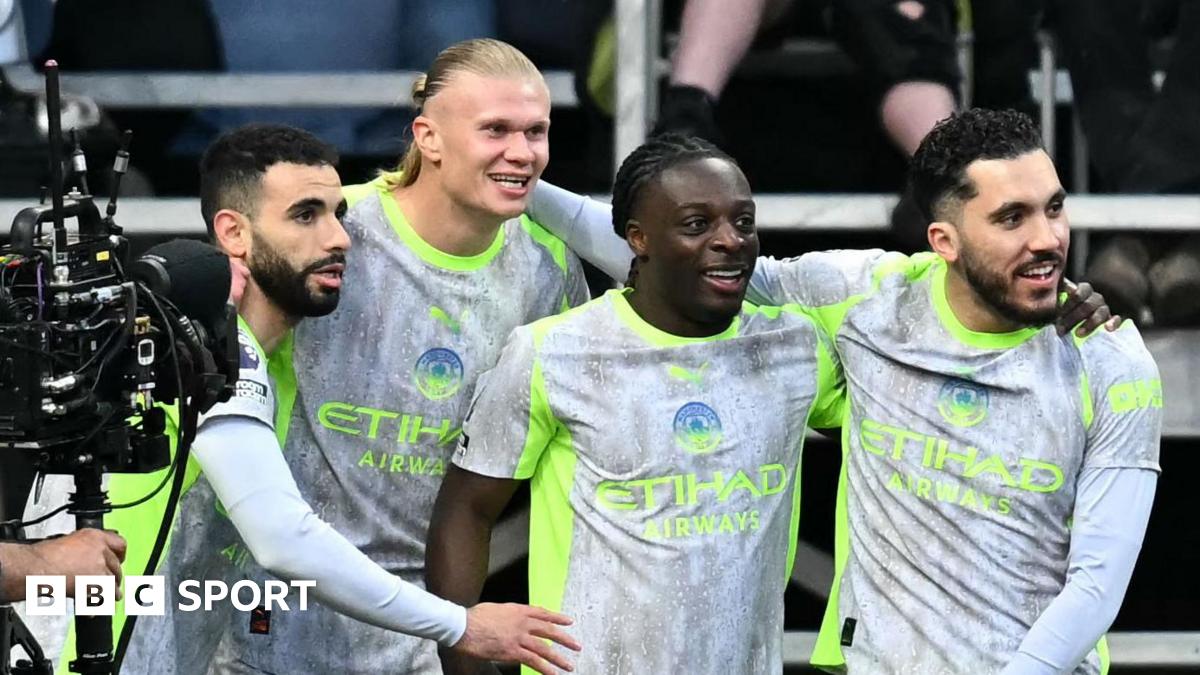
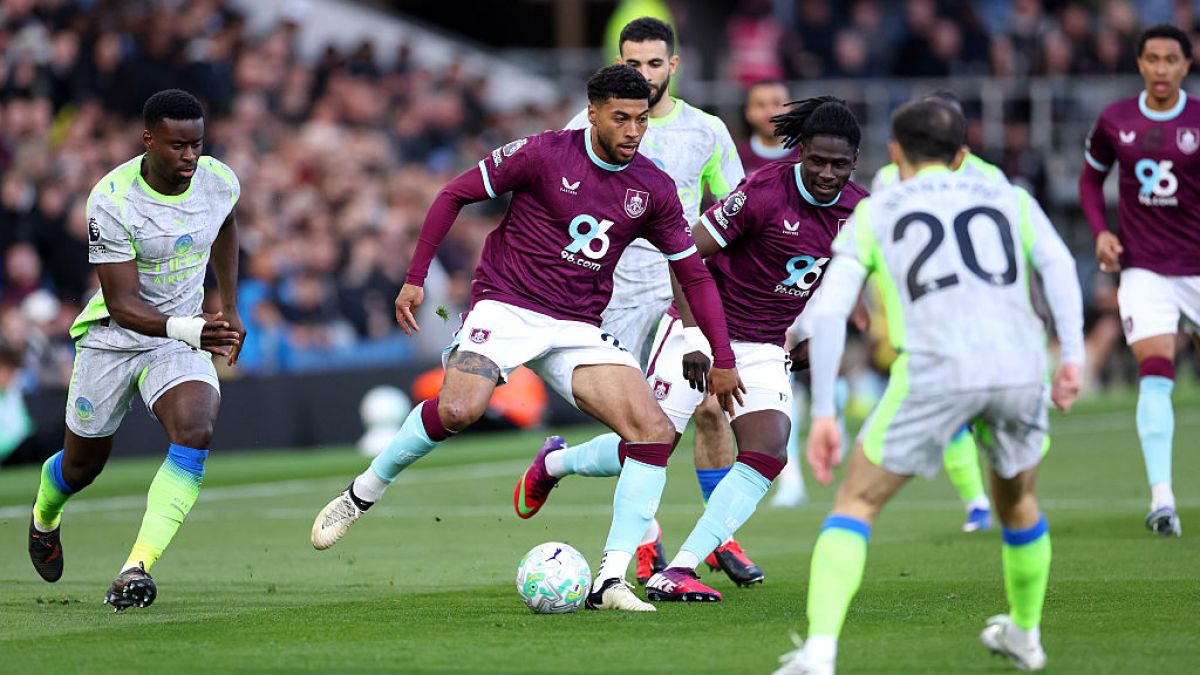
The impending Premier League fixture between Burnley and Manchester City vividly encapsulates the league’s inherent structural pressures, presenting a stark dichotomy of competitive objectives. For Burnley, this match is a critical juncture in their battle against relegation, a struggle carrying profound financial and operational ramifications. Conversely, Manchester City approaches the game as a pivotal component of a high-stakes title race, where every point directly influences their competitive leverage against top-tier rivals.
Financial Imperatives: The Economic Chasm of Relegation and Title Pursuit
The vast financial disparity between a relegation-threatened club and a title contender profoundly shapes their strategic decision-making. For Burnley, the prospect of relegation means a significant loss of Premier League broadcast revenue, triggering clauses in player contracts, potential asset devaluation, and a diminished appeal to sponsors and investors. This necessitates a short-term operational focus, prioritizing immediate results for economic survival over long-term strategic development. Manager Scott Parker’s emphasis on “representing a badge” directly correlates player motivation and performance with the club’s financial stability, transforming each match into a high-risk scenario for future viability.
In contrast, Manchester City’s incentives are centered on maximizing performance leverage within the title race to solidify global brand value and competitive dominance. Winning the Premier League secures substantial prize money, enhances commercial partnerships, and strengthens their position in the transfer market for attracting elite talent. The pressure, described as needing an “unbelievable run,” directly influences resource allocation, player rotation, and long-term recruitment strategy, as City seeks to maintain its status as a global footballing power.
Competitive Dynamics and Performance Volatility
The broader Premier League landscape, characterized by a “proper title race,” underscores a high degree of competitive intensity and performance volatility. Manchester City’s journey “back to their best” after previously “throwing away” certain games highlights the operational challenges of maintaining consistent performance—balancing player rotation, injury management, and psychological conditioning under intense scrutiny. This volatility reveals the zero-sum nature of competitive advantage, where leverage is gained not solely through internal improvements but often through rivals’ strategic failures or inconsistencies, as implied by Arsenal “letting them back in.” The ability to navigate periods of inconsistent form and re-establish momentum is a critical component of strategic leadership in elite sports.
Tactical Analysis and Strategic Communication: Guardiola’s Paradox
A significant point of strategic interest arises from Pep Guardiola’s pre-match comments regarding Burnley’s tactics, where he stated he expects Burnley to rely on “crosses; crosses; always crosses.” This assessment stands in direct contrast to statistical data indicating Burnley ranks 20th in the Premier League for average crosses per game, and their 61 key passes from crosses are significantly behind Manchester City’s 79. This discrepancy between Guardiola’s public statement and documented statistics raises questions about strategic communication and competitive psychology.
Guardiola’s comments could be interpreted as a form of strategic misdirection, designed to influence media narratives, create uncertainty in opposition preparation, or target a perceived, albeit statistically unproven, tactical vulnerability. This public articulation of a tactical expectation that contradicts statistical reality highlights the complex interplay between data analysis and psychological warfare in elite management. Such a tactic forces the opponent to consider adjusting their plan, regardless of its statistical accuracy, thereby creating a strategic advantage.
Media Influence and Stakeholder Management
The media narrative surrounding the match, emphasized by its broadcast “in front of the cameras,” amplifies competitive pressure and shapes public perception. Pundit commentary, such as Michael Brown’s observation on City being “back to their best” and Arsenal’s role in the title race, frames competitive dynamics for a global audience, creating a feedback loop where public perception influences internal team morale and external market valuation. The micro-level scrutiny of individual performances, like a warm-up pass, further contributes to the narrative of player confidence and team readiness.
For both clubs, managing this intense media scrutiny is crucial for maintaining focus and mitigating external pressures that could impact on-field performance. Strategic communication, whether through direct statements or subtle misdirection as seen with Guardiola, becomes a tool for managing expectations and influencing the competitive landscape. This dynamic underscores how media framing can either bolster or diminish a team’s performance leverage and strategic positioning.
Conclusion: The Interplay of Risk and Leverage
The Burnley vs. Manchester City fixture serves as a microcosm of the Premier League’s profound structural dynamics. It encapsulates the high-stakes financial risk and operational imperatives associated with relegation for Burnley, where immediate results dictate survival. Simultaneously, it highlights the intense competitive leverage and strategic pressure inherent in a title race for Manchester City, where performance consistency is paramount for market dominance.
The analysis of financial imperatives, performance volatility, tactical discrepancies, and media narratives reveals the complex interplay between data-driven strategy, psychological warfare, and stakeholder incentives that define elite football competition. The outcome will not only determine three points but will significantly impact the financial and strategic trajectories of both clubs, representing a critical juncture in the competitive and economic landscape of the Premier League season.