Detention of Military Spouse Exposes Policy Shift and DHS Interagency Conflict
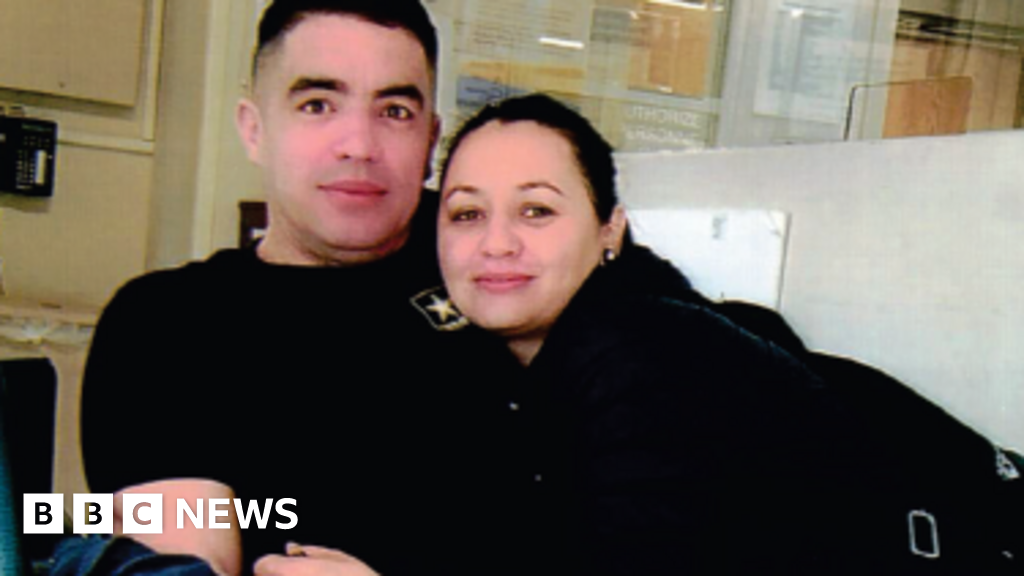
The detention of Deisy Rivera Ortega, the wife of an active-duty U.S. Army sergeant, during a routine immigration appointment in El Paso, Texas, highlights a significant shift in enforcement priorities and a potential reevaluation of long-standing policies designed to support military families. Rivera Ortega was taken into custody by U.S. Immigration and Customs Enforcement (ICE) on April 14 while attending an interview for the Parole-in-Place program, a mechanism specifically created to allow undocumented family members of military personnel to pursue legal residency without leaving the U.S.
The incident, marking at least the second reported detention of a military spouse within the month, suggests a broader policy change where leniency previously afforded to military families is being curtailed. This shift creates operational and strategic challenges for military readiness and family stability, potentially undermining support systems designed to mitigate the unique pressures faced by service members.
The Strategic Implications for Military Readiness and Morale
The Parole-in-Place program, established by the Department of Homeland Security (DHS), serves as a critical tool for military retention and morale. By allowing undocumented spouses and children of active-duty service members and veterans to adjust their immigration status, the program aims to reduce the stress and uncertainty associated with family separation. This stability is essential for maintaining the focus and readiness of service members, particularly those deployed to high-risk areas.
The detention of Rivera Ortega, whose husband, Sergeant First Class Jose Serrano, has served 27 years and completed three tours in Afghanistan, directly contradicts the stated purpose of the program. The action creates a chilling effect, potentially discouraging other military families from engaging with official immigration processes for fear of similar outcomes. This erosion of trust in government programs can have downstream effects on recruitment and retention efforts, particularly among service members from diverse backgrounds. The personal toll on Sergeant Serrano—who described feeling anxious and distraught—highlights the direct impact on a service member’s ability to perform their duties effectively, impacting unit cohesion and operational readiness.
Analysis of Legal Discrepancies and Institutional Friction
The circumstances surrounding Rivera Ortega’s detention reveal significant discrepancies between different legal statuses and enforcement priorities. While DHS stated that Rivera Ortega is a “criminal illegal alien from El Salvador” convicted of the “federal offense” of illegally entering the U.S. in 2016, her attorney, Matthew James Kozik, noted that she held a valid work permit and had previously been granted a withholding of removal to El Salvador. This legal complexity highlights the tension between a past violation (illegal entry) and a current, valid legal status (work permit and withholding of removal).
The decision to detain Rivera Ortega during an interview for the Parole-in-Place program suggests a shift in operational directives where ICE enforcement takes precedence over the processing of applications by U.S. Citizenship and Immigration Services (USCIS). This inter-agency conflict undermines the integrity of the Parole-in-Place pathway. The action also raises questions about the definition of “criminal illegal alien” in this context, where the offense is illegal entry rather than a more serious crime, and whether this definition justifies overriding the specific protections intended for military families. The source explicitly states that the administration is “dialing back leniency toward immigrant family members of military personnel and veterans,” indicating a deliberate institutional change prioritizing rigid enforcement over strategic family support.
Third-Country Deportation Risk and Future Consequences
Rivera Ortega’s legal team has initiated a challenge in U.S. District Court, requesting an order to block her deportation to Mexico. This specific aspect of the case introduces a new layer of complexity, as Rivera Ortega reportedly has no ties to Mexico. The legal challenge highlights the potential consequences of deporting individuals to third countries where they lack support networks, potentially violating international norms and creating new vulnerabilities for the individual.
Furthermore, the source notes that visits by active-duty U.S. troops to Mexico are restricted. If Rivera Ortega were deported to Mexico, Sergeant Serrano would face significant challenges in visiting his wife, creating a physical and logistical barrier to family reunification. This situation underscores the strategic implications of immigration enforcement decisions on military families, potentially forcing service members to choose between their duty and maintaining contact with their spouse across a restricted border. The outcome of this legal battle will determine the extent to which enforcement agencies can deport individuals to countries where they lack ties, potentially impacting international relations and humanitarian considerations of the long-term viability of the Parole-in-Place program.