Real Madrid’s Strategic Imperatives: Performance & Financial Pressures
The forthcoming LaLiga EA Sports fixture between Real Madrid and Alavés on April 21, 2026, is more than a routine league encounter; it marks a critical juncture in Real Madrid’s strategic recalibration. Following an ‘agonizing’ elimination from the UEFA Champions League against Bayern Munich, the club confronts the rare prospect of two consecutive seasons without major silverware, compelling profound institutional and financial introspection.
Despite the league title being mathematically out of reach, Real Madrid’s imperative to secure points persists, driven by the need to maintain UEFA coefficient rankings, optimize potential prize money distributions within the league, uphold global brand prestige, and sustain the psychological edge vital for future campaigns. This creates a significant strategic tension: balancing immediate competitive obligations with the initiation of a comprehensive, long-term assessment of squad capabilities, tactical frameworks, and managerial effectiveness.
In stark contrast, Alavés approaches this match with acute urgency, battling intensely to distance itself from the relegation zone. The severe financial and sporting ramifications of demotion necessitate a high-stakes tactical approach, prioritizing immediate results over any long-term strategic considerations. This existential threat directly dictates their on-field risk appetite, likely translating into an aggressive, outcome-driven strategy.
Tactical Evolution and Performance Scrutiny
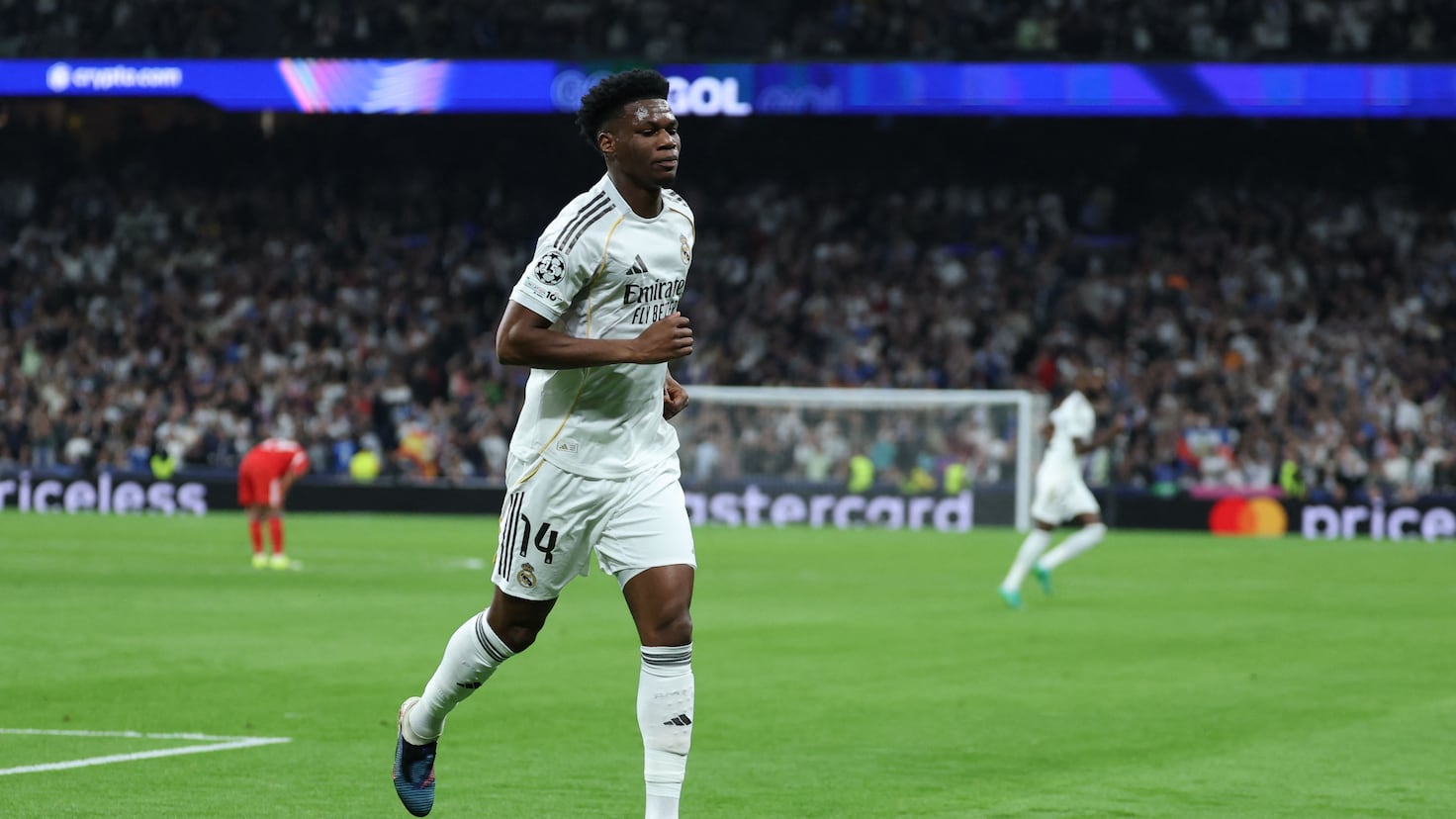
Manager Álvaro Arbeloa’s decision to introduce three changes from the lineup against Bayern Munich signals a proactive tactical re-evaluation. The anticipated return of Tchouameni to the midfield’s core aims to re-establish control and stability, directly addressing perceived vulnerabilities in ball progression and defensive screening observed in recent high-stakes fixtures.
Further tactical adjustments, including Huijsen in central defense and Carreras at left-back, reflect a coaching staff’s strategic effort to optimize defensive pairings and explore new dynamics in full-back roles. These personnel shifts are crucial for assessing squad depth and identifying combinations that can enhance solidity or provide offensive thrust against a highly motivated, survival-focused opponent like Alavés.
Public sentiment, widely articulated in fan commentary, underscores palpable dissatisfaction with player performance consistency and perceived tactical shortcomings throughout the season. Specific criticisms regarding low work rates, excessive on-field protesting, and an acute lack of midfield creativity highlight a significant disconnect between fan expectations for an elite club and the team’s output. This external pressure directly influences club management’s ongoing strategic review and future recruitment priorities.
The questioning of Carvajal’s minutes, juxtaposed with the performance benchmarks set by players like Trent Alexander-Arnold, exemplifies the elevated standards for modern full-backs at Real Madrid. This comparison underscores the dual demand for defensive solidity and significant attacking contribution, reflecting a broader market standard for elite positional play that informs strategic player evaluations.
The collective demand for “two major midfield signings” directly corresponds to the perceived structural tactical deficiency in creativity, suggesting a systemic challenge in offensive orchestration that extends beyond individual player form. Proposed internal adjustments, such as Bellingham adopting a deeper playmaking role or Güler functioning as a forward link, indicate the club’s exploration of both external recruitment and internal tactical innovation to address this core issue.
Youth Integration: Strategic Pillars and Brand Reinforcement
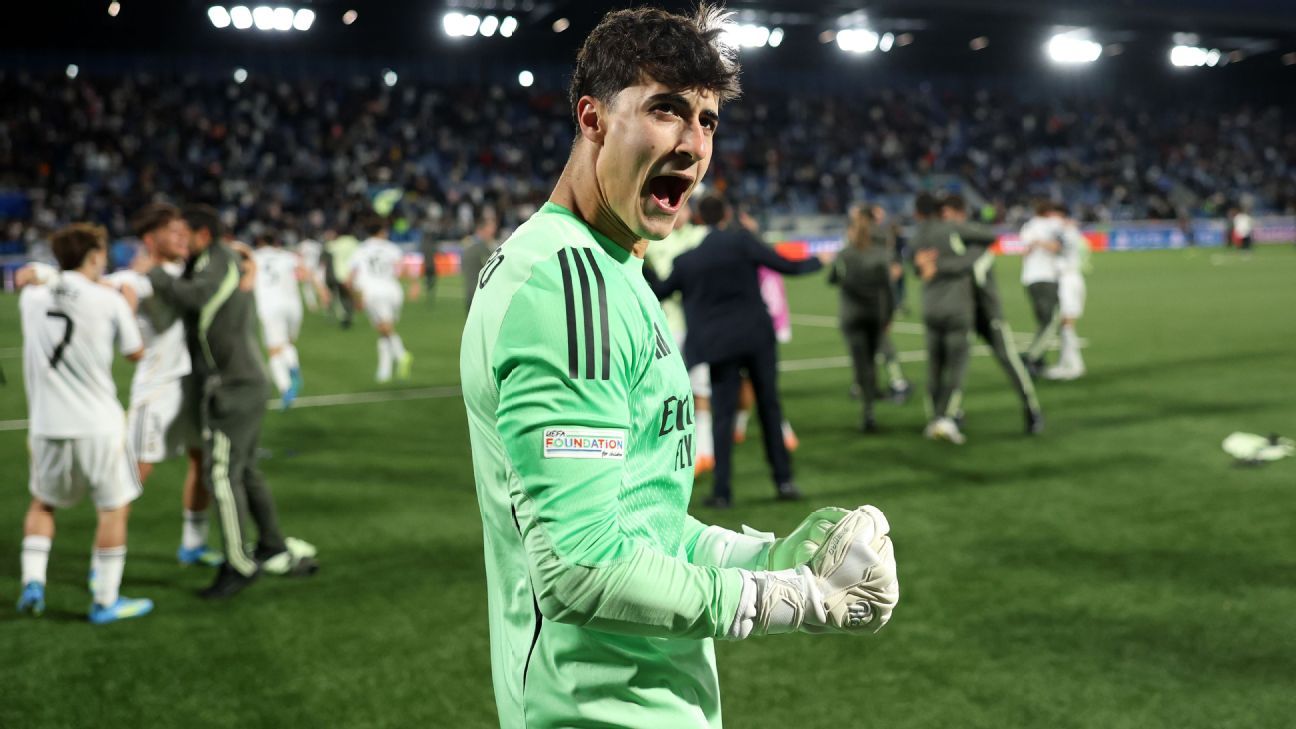
The call-up of juvenile goalkeeper Javi Navarro, fresh from winning the UEFA Youth League and celebrated for his decisive penalty saves, exemplifies Real Madrid’s commitment to strategic talent pipeline management. This decision not only acknowledges exceptional youth performance but also visibly establishes a clear, meritocratic pathway for academy graduates into the senior squad, reinforcing the club’s foundational commitment to internal player development.
Navarro’s integration into the senior squad serves as a powerful motivational catalyst across the entire youth academy, validating that progression based on merit is a tangible reality within the club’s structure. This strategic fostering of promising talent is crucial for enhancing Real Madrid’s long-term competitive sustainability, providing a cost-effective, robust internal supply chain of players that aligns with the club’s identity.
Further reinforcing this strategy, the planned homage to the UEFA Youth League champion squad before the Alavés match is a deliberate institutional branding exercise. This public recognition strategically connects the academy’s success with the senior team’s aspirations, reinforcing club identity and showcasing a holistic commitment to footballing excellence at every level. Such events are vital for sustaining fan engagement and loyalty, particularly during periods of senior team underperformance, by projecting a positive narrative of future potential and inspiring subsequent generations of players and supporters.
Institutional Performance & Profound Financial Ramifications
The ‘agonizing’ elimination from the UEFA Champions League against Bayern Munich carries profound and multifaceted financial and reputational implications for Real Madrid. Beyond the immediate forfeiture of prize money and broadcast revenue from deeper European progression, this setback directly diminishes the club’s global standing, affecting its attractiveness to prospective commercial partners and its overall brand equity.
The unprecedented prospect of two consecutive seasons without major silverware, a rarity for Real Madrid, mandates an exhaustive review of its operational and strategic efficacy. This sustained trophy drought can significantly impact future sponsorship negotiations, lead to reduced merchandise sales, and potentially depress the club’s market valuation and investor confidence.
Such a performance trajectory intensifies pressure on the club’s sporting directorate and coaching staff to expeditiously identify and rectify underlying systemic issues. The absence of major titles necessitates a rigorous, data-driven assessment of current squad composition, tactical philosophies, and recruitment strategies to restore competitive dominance and align with stakeholder expectations.
Real Madrid’s financial health is inextricably linked to on-field success; prize money, broadcast rights, and commercial agreements are typically tiered by competitive achievement. A prolonged period without major titles can therefore lead to a quantifiable reduction in revenue streams, directly constraining the club’s capacity for future investment in elite talent and infrastructure development.
In stark contrast, Alavés’s battle against relegation represents an existential struggle with catastrophic financial consequences. Loss of top-flight status would trigger a dramatic decline in broadcast revenue, sponsorship deals, and overall club valuation, necessitating drastic operational adjustments, potential player asset sales, and a fundamental restructuring to ensure financial stability.
The vastly contrasting stakes—Real Madrid managing institutional prestige and long-term strategic recalibration versus Alavés fighting for immediate financial survival—powerfully illustrate the diverse pressures inherent in professional football. These divergent motivations will undeniably shape the tactical approaches, risk assessments, and intensity on display, profoundly influencing the dynamics of the match.
Strategic Trajectory: Redefining Dominance
This period of intense introspection at Real Madrid, characterized by a rare title drought and critical performance evaluation, establishes the foundational stage for pivotal strategic decisions in upcoming transfer windows. The persistent fan advocacy for “two major midfield signings” directly underscores a perceived need for substantial, targeted investment to rectify core tactical deficiencies and re-energize the squad.
The club’s comprehensive response to these performance challenges—encompassing both internal tactical evolutions, such as Bellingham’s potential role redefinition, and external elite recruitment—will be determinative of its competitive trajectory. Strategic decisions regarding player retention, targeted sales, and high-impact acquisitions are paramount to Real Madrid’s ambition to reclaim domestic and European dominance.
Furthermore, the accelerated integration of youth talent, exemplified by Javi Navarro’s promotion, is a foundational pillar of Real Madrid’s long-term strategic planning. Nurturing and promoting academy products offers a sustainable, cost-effective solution for squad needs, while simultaneously reinforcing the club’s unique identity and strengthening its profound connection with the fan base.
The institutional imperative stemming from consecutive title-less seasons extends beyond personnel adjustments; it demands a holistic strategic overhaul. This includes a rigorous review of coaching philosophies, advancements in sports science integration, and a re-evaluation of overall club governance. Such a proactive, comprehensive approach is essential for safeguarding Real Madrid’s global brand equity and commercial appeal, ensuring sustained competitive excellence.
For Alavés, the outcome of their relegation battle will unequivocally dictate their immediate operational and financial future. Preserving their LaLiga status guarantees current revenue streams and competitive standing, enabling stable long-term planning. Conversely, relegation would necessitate a radical restructuring of their sporting and economic model, with potentially irreversible consequences.
Ultimately, this match transcends a single fixture, embodying the broader strategic narratives at play: Real Madrid’s complex journey to project future strength amidst current challenges, juxtaposed with Alavés’s desperate fight for immediate survival. The on-field decisions and performances witnessed will reverberate far beyond the final whistle, fundamentally influencing both clubs’ trajectories and their market perceptions within the fiercely competitive landscape of European football.