Security Breach at Teotihuacán Threatens Mexico’s Tourism Leverage
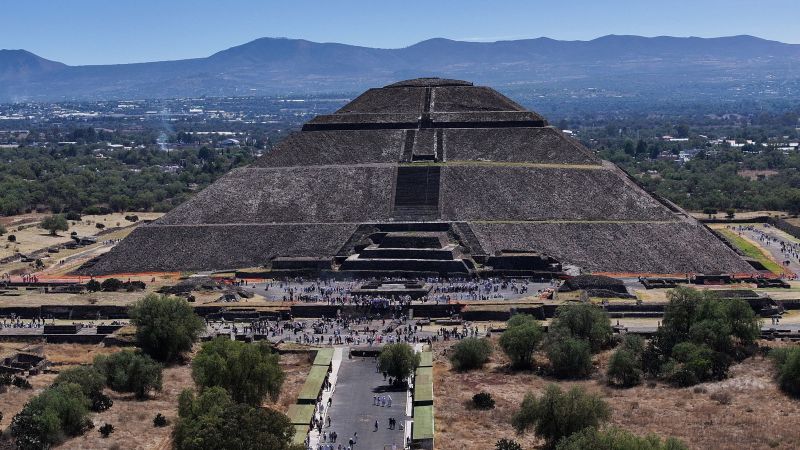
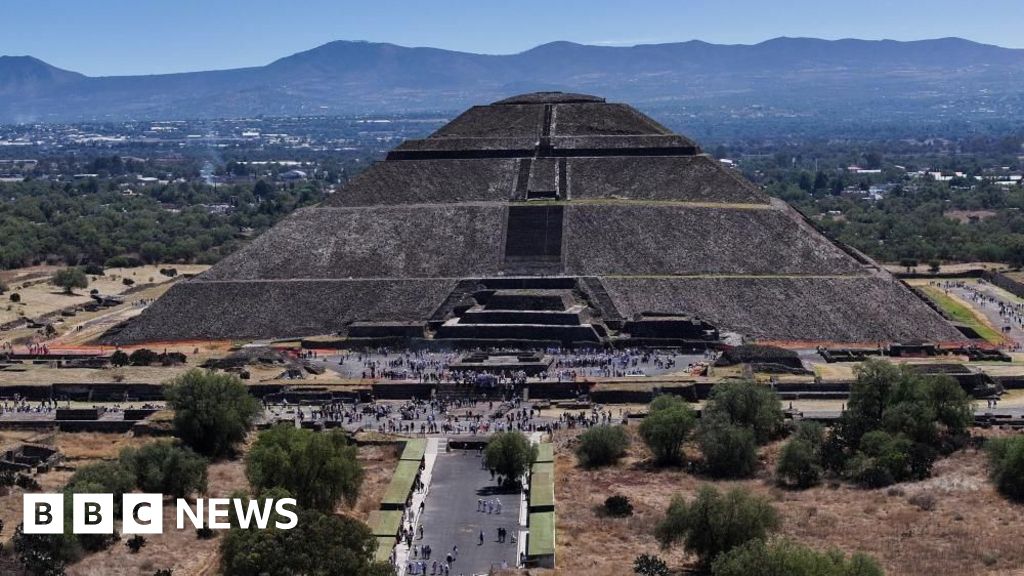
A fatal shooting at the Teotihuacán archaeological site, resulting in the death of a Canadian tourist and injuries to several others, has exposed significant operational vulnerabilities in Mexico’s public security framework for high-value cultural heritage sites. The incident, involving a gunman who subsequently took his own life, occurred at a UNESCO World Heritage Site, representing one of the country’s most significant tourist attractions. The immediate operational failure raises questions about the efficacy of security protocols designed to protect international visitors at large, open-air cultural landmarks. The involvement of multiple nationalities among the injured—including Colombian, Russian, and Canadian nationals—elevates the incident from a domestic security matter to a significant international concern.
Strategic Implications for World Cup 2026 Preparations
The incident’s timing coincides with heightened scrutiny of Mexico’s public security environment as the nation prepares to co-host the World Cup. This event, drawing millions of international visitors, places significant pressure on national authorities to demonstrate control over public spaces and ensure visitor safety. The shooting at Teotihuacán serves as a critical stress test for Mexico’s security and crisis management capabilities, highlighting potential systemic weaknesses in protecting non-traditional, high-traffic venues that are essential to the country’s tourism economy. International governing bodies conduct rigorous risk assessments, and incidents like this can influence their perception of security readiness and potentially impact logistical planning for major events.
Economic Exposure and Reputational Risk to Tourism Sector
Teotihuacán’s status as a premier tourist destination makes it a vital component of Mexico’s tourism revenue stream. The incident introduces significant reputational risk, potentially triggering a decline in international visitor numbers. The economic leverage extends beyond ticket sales to encompass local hotels, restaurants, and tour operators, creating a ripple effect that threatens the livelihoods of stakeholders in the surrounding region. The perception of insecurity, amplified by international media coverage, can lead to a contagion effect, where tourists avoid other destinations in Mexico. This diplomatic fallout carries potential long-term implications for international travel advisories issued by foreign governments, directly impacting tourism inflows and national revenue projections.
Institutional Response and Policy Challenges
The operational response to the incident, including the recovery of a firearm, a bladed weapon, and live cartridges, underscores the challenge of preventing weapons from entering large, open-access public spaces. Unlike controlled venues such as airports or stadiums, archaeological sites present unique logistical difficulties for implementing comprehensive security screening without significantly altering the visitor experience. The incident forces a re-evaluation of security resource allocation, potentially requiring a shift from reactive measures to proactive screening and surveillance strategies. The institutional response framework involves multiple layers of government, highlighting the complex interplay between state authorities (managing local security operations) and federal authorities (responsible for national security strategy and international relations).
Media Narrative Control and Information Dissemination
The rapid dissemination of information through social media, including videos of people fleeing the scene, significantly complicates official efforts to control the narrative. The immediate public reaction often outpaces official statements, creating a vacuum filled by speculation and misinformation. The government’s use of social media platforms, such as President Claudia Sheinbaum’s post on X, is a strategic attempt to regain control of the narrative by offering official updates and expressing solidarity with victims. However, the challenge remains in ensuring that official communications are perceived as credible and transparent in an environment where citizen-generated content dominates real-time reporting. The media’s focus on the safety of international tourists places additional pressure on authorities to provide detailed explanations and assurances to mitigate long-term damage to the country’s brand equity in the global tourism market.