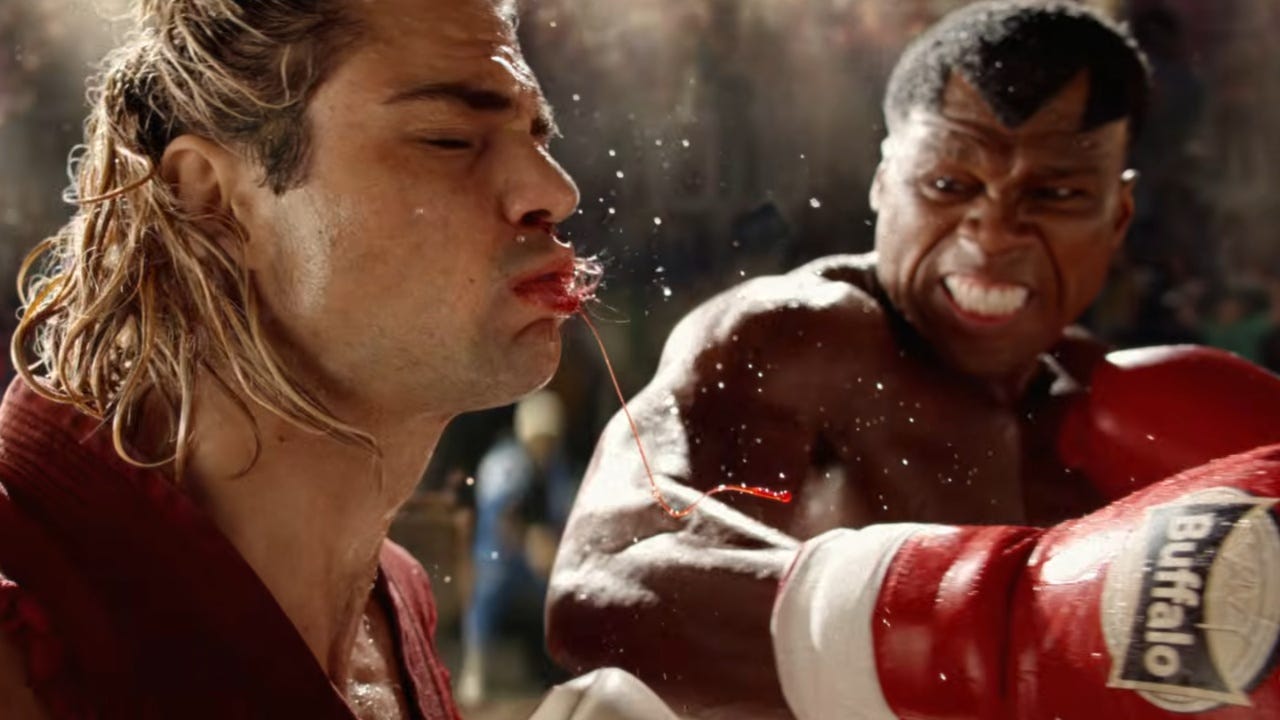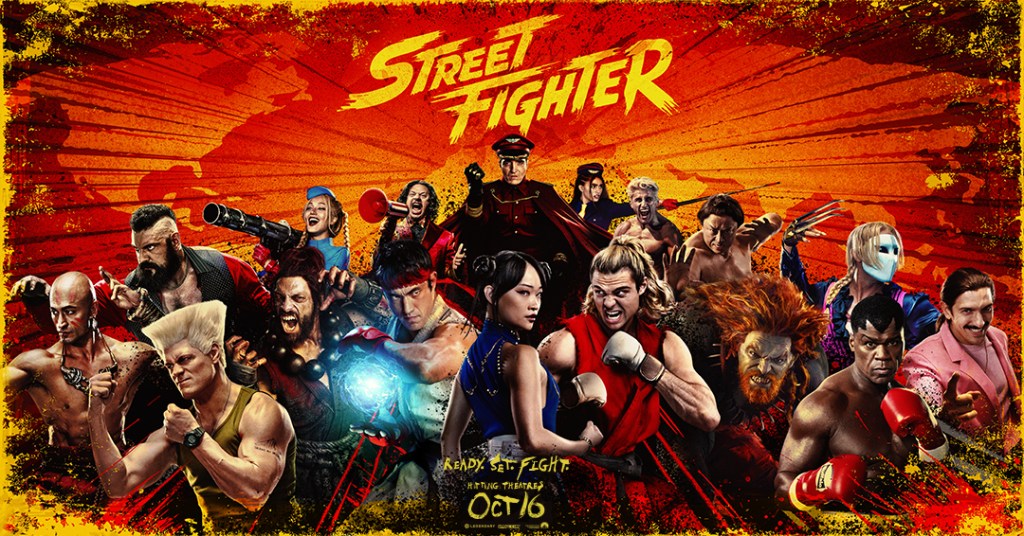
The unveiling of the official Street Fighter trailer at CinemaCon 2026 signifies a sophisticated escalation in the competitive landscape of video game intellectual property. Produced through a strategic partnership between Paramount Pictures and Legendary Entertainment, the project represents a significant capital allocation into a franchise that has historically faced challenges in cinematic translation. By debuted the reveal to cinema executives, the studios are signaling high institutional confidence in the film’s capacity to anchor theatrical foot traffic during the late Q4 window.
Competitive Positioning and Market Timing
Scheduled for release on October 16, 2026, the film occupies a critical tactical position between the summer blockbuster tail and the holiday corridor. This timing facilitates early autumn momentum, bypassing the market saturation of award-season contenders and family-centric December releases. Crucially, the 2026 calendar establishes a direct confrontation with Warner Bros., which is slated to release the second installment of its rebooted Mortal Kombat series. This head-to-head collision between two fighting game titans underscores a broader industry pivot toward the consolidation of combat-centric media.
This competitive environment necessitates a divergence in marketing strategies. Paramount appears to be prioritizing a stylized, high-fidelity aesthetic, utilizing CinemaCon as a launchpad to emphasize large-format exhibition. This approach differentiates the title from streaming-first content, positioning Street Fighter as a premier audiovisual event rather than a secondary IP asset.
Institutional Synergy and Production Leadership
The collaboration between Paramount and Legendary fuses two distinct operational strengths. Legendary’s expertise in managing lore-intensive properties provides a structural foundation for navigating the Capcom universe’s narrative complexities, while Paramount’s distribution infrastructure focuses on long-term franchise viability. The appointment of Kitao Sakurai as director introduces a specific stylistic variable; his background in blending subversive energy with high-impact visuals suggests a departure from rigid action formulas in favor of a more distinct visual identity.
Casting Strategy and Demographic Capture
The ensemble cast, led by Andrew Koji as Ryu and Noah Centineo as Ken Masters, employs a multi-layered approach to audience segmentation. Koji’s martial arts background provides the physical credibility required to satisfy core enthusiasts, while Centineo’s involvement targets a broader, younger demographic to bridge the gap between gamers and general cinema-goers. The inclusion of professional wrestling figures Joe “Roman Reigns” Anoai (Akuma) and Cody Rhodes (Guile) serves as a strategic bridge to the combat sports sector, leveraging existing global fan bases to ensure a built-in audience for tournament-style narratives.
Diversification of Talent Assets
The casting of David Dastmalchian as M. Bison and Callina Liang as Chun-Li reflects an institutional focus on performance quality, likely a response to the critical failures of past adaptations that prioritized spectacle over character. Furthermore, integrating unconventional talent such as Andrew Schulz, Eric André, and Orville Peck suggests a desire to infuse the project with a unique cultural texture. This diversification broadens the film’s appeal to alternative comedy and contemporary music segments, creating multiple entry points for diverse consumer groups.
Operational Fidelity and Risk Mitigation
The trailer’s inclusion of iconic sensory hallmarks, such as the original game’s countdown timer, serves as a high-fidelity signal to long-term stakeholders. These are functional tools designed to establish brand continuity and mitigate the risk of alienating the core base. The narrative focus on a global tournament organized by Shadaloo provides a modular structure, allowing for efficient character introductions without sacrificing momentum, while simultaneously establishing a clear pathway for sequels or spin-offs.
Financial and Sector-Wide Implications
For Paramount, this production represents a commitment to high-concept, action-oriented cinema as a means of securing predictable revenue in a volatile market. Success will be measured not only by box office returns but by the film’s ability to stimulate the underlying game series and transmedia licensing. As a sector-wide litmus test, the 2026 release cycle will determine the sustainability of the fighting game sub-genre. If both Street Fighter and Mortal Kombat 2 achieve commercial parity, it could trigger a new wave of investment, solidifying video games as the primary source of intellectual property for major Hollywood studios.