
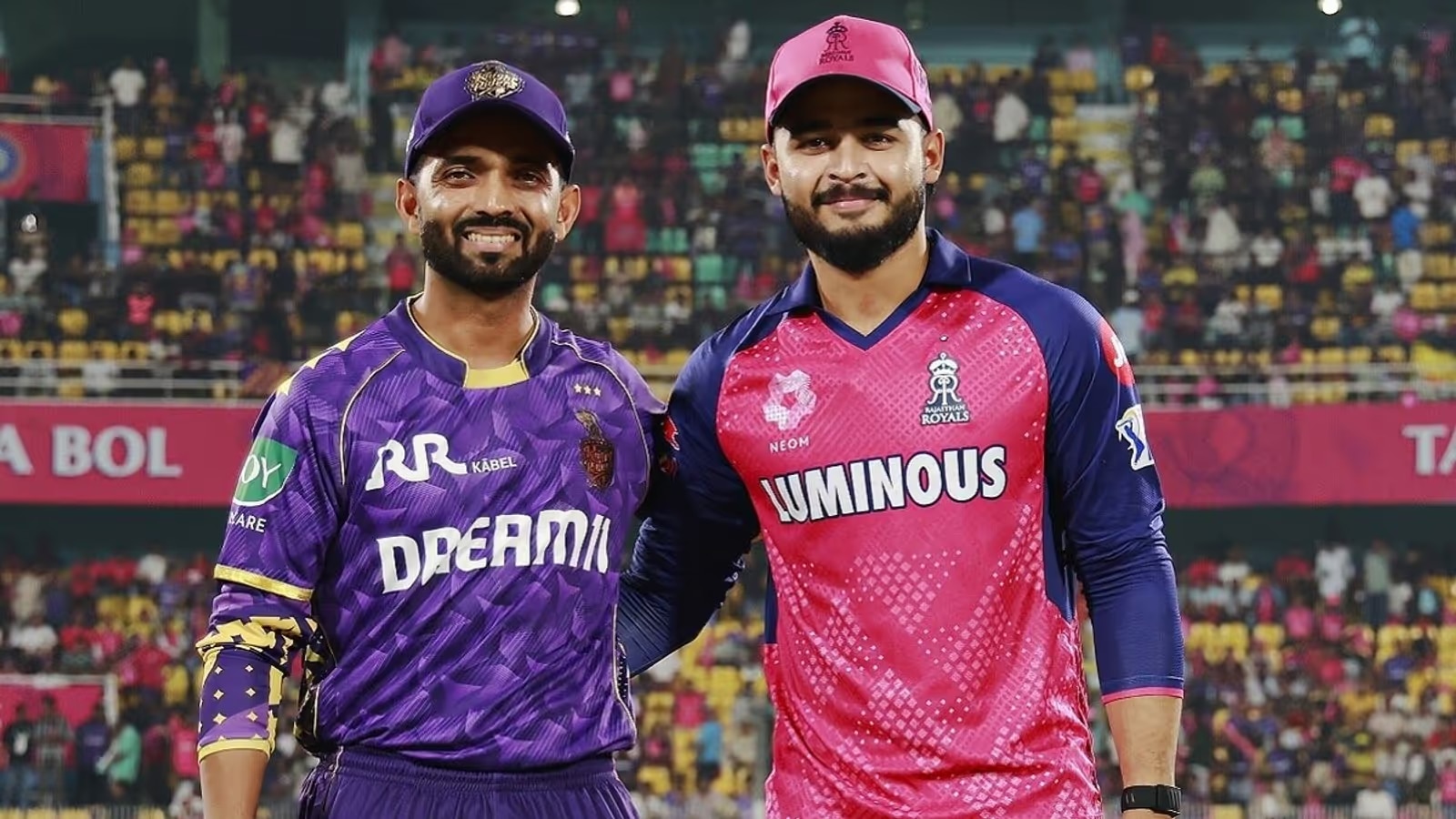
Strategic Implications of Toss Decisions: KKR’s Home Advantage Breakdown
The coin toss, often perceived as a simple matter of chance, holds significant strategic weight in professional cricket leagues, particularly in the Indian Premier League (IPL). The decision to bat first or chase sets the operational framework for a match. For Kolkata Knight Riders (KKR), the inability to convert home toss wins into victories at Eden Gardens has exposed deeper strategic vulnerabilities, contrasting sharply with their previous championship performance.
The Statistical Failure of KKR’s Home Strategy
KKR’s performance in the previous season at Eden Gardens demonstrated a significant disconnect between strategic planning and on-field execution. Despite winning the coin toss in four of the six completed matches at their home venue, KKR failed to establish a strategic advantage. On all four occasions where they won the toss, KKR opted to bat first. However, they secured only one victory in those games, resulting in a low conversion rate of 25% for their primary home strategy. This low success rate, coupled with a 50% conversion rate when choosing to chase (1 win from 2 matches), indicates a broader operational issue in adapting to different game scenarios at their home venue.
Erosion of Home Fortress Status and Systemic Consequences
The concept of a ‘home fortress’ is central to a team’s competitive strategy and financial viability. While a home ground provides familiarity with pitch characteristics and logistical advantages, KKR’s struggles indicate a significant erosion of this competitive edge. The consistent failure to leverage toss advantages suggests a breakdown in pre-match analysis and tactical flexibility. This operational failure impacts stakeholder confidence, including sponsors and ownership, who rely on consistent home performance to maximize brand exposure and revenue streams. The inability to secure victories at home, even with the strategic advantage of winning the toss, creates systemic pressure on team management and player morale, leading to a negative feedback loop where poor performance further diminishes fan support and enhances the vulnerability of the home venue.
Rajasthan Royals’ Strategic Recalibration and Competitive Dynamics
In contrast to KKR’s struggles, Rajasthan Royals (RR) enter the current match seeking to address their own historical vulnerabilities. During a lean run in the previous season, RR also failed to convert toss advantages into victories in away matches, losing all five games where they won the toss. This pattern suggests a similar strategic flaw in adapting to away conditions or executing predetermined plans under pressure.
RR’s decision to win the toss and opt to bat first against KKR represents a strategic choice to break from their previous pattern. By choosing to bat first at Eden Gardens, RR aims to set the tempo of the game and leverage KKR’s documented struggles in defending targets at home. This decision reflects a calculated risk based on current team composition and a perceived opportunity to exploit KKR’s vulnerabilities. The source notes RR’s focus on adding ‘bite’ to their attack, suggesting a tactical emphasis on specific player strengths to counter KKR’s lineup. This strategic recalibration by RR highlights the competitive nature of the league, where teams actively seek to exploit structural weaknesses in their opponents based on data-driven analysis of historical performance.
Financial Implications and Media Narrative
The operational failures documented have direct financial and brand consequences for both teams. For KKR, the erosion of the ‘home fortress’ status impacts ticket sales, merchandise revenue, and local sponsorship value. A team’s brand value is intrinsically linked to its performance narrative. KKR’s search for their first win in the current season creates a narrative of instability, amplifying stakeholder exposure and pressure. For RR, the previous season’s struggles in away matches highlight the financial risk associated with inconsistent performance. Teams invest significant capital in player acquisitions, expecting a return on investment through competitive success. The inability to leverage strategic advantages like the toss suggests a failure in operational efficiency, potentially leading to reassessments of coaching staff and player retention strategies.
Long-Term Strategic Consequences and Systemic Risk
The long-term consequences of KKR’s strategic failures extend beyond immediate match results. The inability to establish a home fortress creates systemic risk for the team’s long-term competitive viability. Sustained performance at home is crucial for building fan loyalty and securing long-term financial partnerships. The source’s documentation of KKR’s specific home-ground performance statistics (1 win out of 4 when batting first after winning the toss) provides concrete evidence of a strategic failure that impacts future investment decisions, player acquisition strategies, and management accountability. For RR, the current decision serves as a critical test of their ability to address past operational failures and establish new strategic frameworks for success.