
NBA 2026 Playoffs: Market Dynamics, Strategic Value, and Betting Ecosystem
The 2026 NBA Playoffs have commenced, elevating the league into its pinnacle competitive phase following the Play-In Tournament’s conclusion. This critical structural mechanism efficiently narrowed the field to 16 elite contenders, thereby intensifying market perceptions and recalibrating betting lines as high-stakes series began.
Initial outcomes reinforced the profound strategic and economic advantages of securing higher seeding. The immediate pattern of all four home teams winning on the opening Saturday of the first round highlights the tangible value of home-court advantage, influencing franchises’ long-term strategies for regular season performance, roster construction, and even player acquisition with an eye toward playoff leverage.
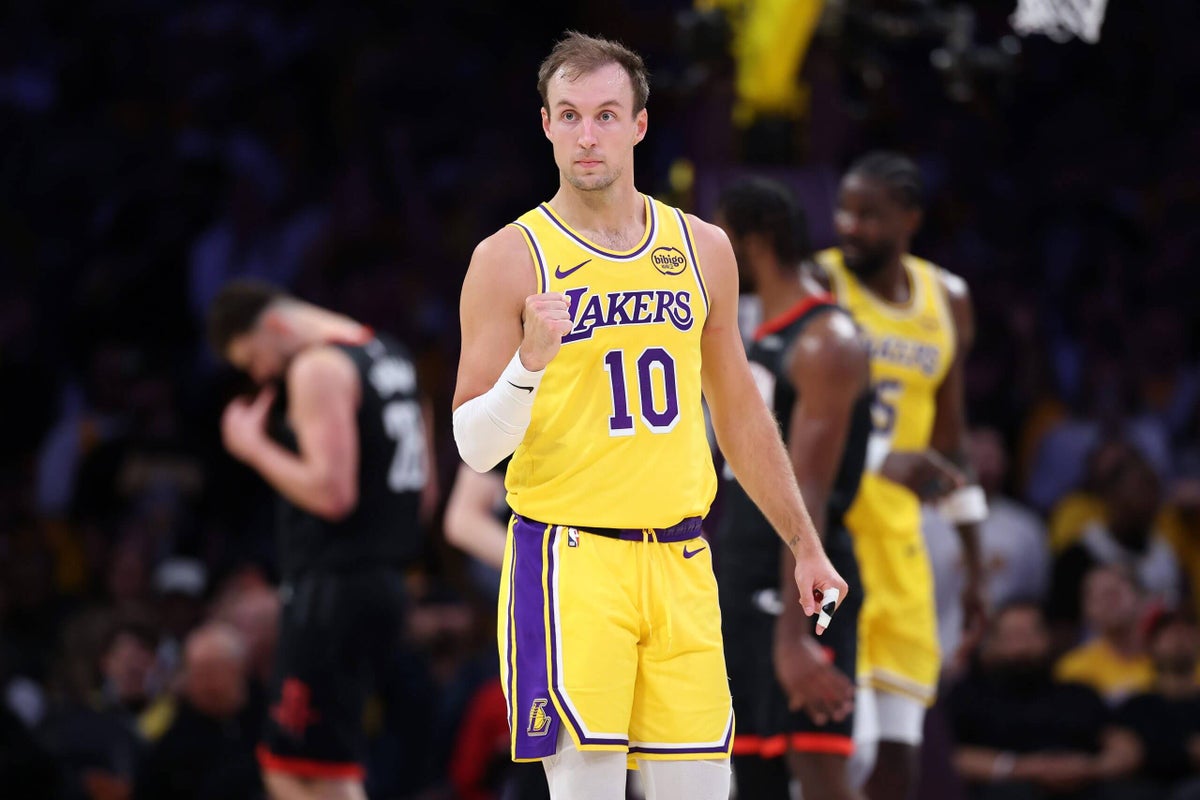
Despite early game results, sophisticated market sentiment often demonstrates a nuanced understanding of underlying team strength and competitive dynamics. For example, the No. 5 seed Houston Rockets maintained their favored status against the No. 4 Los Angeles Lakers, even after an initial road loss in Game 1. This sustained valuation by oddsmakers and bettors reflects a deeper analytical assessment, incorporating factors such as season-long metrics, strategic matchups, historical performance, and crucially, player availability, which collectively outweigh a single game’s outcome.
The absence of a key player for the Rockets in their Game 1 defeat introduces a significant variable into competitive calculations. Such high-impact personnel shifts inherently alter team dynamics, affecting both on-court performance and the complex probabilistic models used by sportsbooks. This directly influences series odds, impacts the perceived financial exposure of involved stakeholders, and necessitates agile adjustments in betting market liquidity and pricing.
Advanced Betting Market Analysis and Team Strategy
The subsequent slate of Sunday games further illuminated market consensus on competitive disparities, with three matchups featuring double-digit point spreads and another exhibiting a substantial 8.5-point differential. These pronounced odds gaps signal a strong collective assessment of certain franchises’ operational dominance, predicting a significant capital flow within short-term betting markets and indicating a high degree of market efficiency in pricing expected outcomes.
This early-round favoritism profoundly influences the strategic calculus for both dominant and underdog teams. For leading franchises, it presents an opportunity for calculated player minute management, preserving energy and mitigating injury risks for deeper playoff runs. Conversely, underdogs face immense pressure to innovate and execute disruptive tactics, leveraging any marginal competitive advantage to shift the series narrative and force a significant recalibration of associated betting lines.
The inherently dynamic nature of these odds, subject to real-time updates based on game results, player health, and emerging data, underscores the intricate financial and analytical ecosystem governing the playoffs. This continuous algorithmic adjustment reflects the market’s efficiency in rapidly incorporating new information, directly impacting the capital allocation decisions of bettors and the sophisticated risk management strategies employed by sports betting operators.
Specific Eastern Conference matchups, such as the series between the No. 1 Detroit Pistons and the No. 8 Orlando Magic, provide a concrete illustration. The Pistons entered as overwhelming favorites, with series odds of -500 against the Magic’s +380. This substantial differential underscored the market’s robust assessment of Detroit’s superior operational capability, strategic depth, and overall competitive positioning, translating into a significant perceived imbalance for the series outcome.
Franchise Economic Value and Player Trajectory
The Detroit Pistons’ remarkable ascent, transforming from 44 wins in the preceding season to a commanding 60 wins in the current campaign, represents a significant operational achievement and a strategic triumph in franchise development. This trajectory is indicative of highly effective talent acquisition, superior player development programs, and impactful coaching efficacy, fundamentally enhancing the team’s market valuation, brand equity, and long-term competitive outlook.
Such substantial on-court improvement directly impacts the financial health and long-term strategic planning of the organization. A jump of this magnitude enhances brand visibility, significantly boosts fan engagement across all platforms, and drives higher, diversified revenue streams through increased ticket sales, merchandise, media rights deals, and corporate sponsorships. This solidifies the franchise’s position within the league’s economic hierarchy and fosters sustainable growth.
The Pistons’ prior playoff experience, specifically a 4-2 first-round series loss to the New York Knicks, offers critical contextual leverage for their current campaign. This previous exposure, while culminating in defeat, provided invaluable operational learning for key players like Cade Cunningham, refining their approach to high-pressure playoff scenarios, fostering competitive resilience, and contributing significantly to their current strategic maturity.
For cornerstone players such as Cade Cunningham, a sustained period of team success coupled with individual development profoundly elevates their market value and influence within the league. Such performance trajectories are pivotal for maximizing future contract negotiations, securing lucrative endorsement opportunities, and enhancing overall career longevity, directly linking individual financial incentives to the collective achievement and strategic success of the team.
The Complexities of Futures Betting and Risk Management
Beyond the immediate series outcomes, the commencement of the NBA and NHL postseasons brings into sharp focus the intricate world of futures betting. These long-term wagers, often placed months in advance, constitute a distinct segment of the sports betting market characterized by amplified risk, extended analytical horizons, and the potential for exponential returns, attracting bettors with sophisticated predictive analytics capabilities.
The substantial anticipation surrounding futures odds and multi-leg futures parlays highlights significant financial exposure for sportsbooks. As numerous noteworthy bets, some involving six-figure payouts, draw closer to realization, operators are compelled to deploy highly sophisticated risk management strategies. These include dynamic hedging, liability balancing across various markets, and continuous reassessment of probabilistic outcomes to safeguard against adverse financial impacts.
One particularly prescient four-leg futures parlay, placed by a Hard Rock Bet customer on January 6 with a $200 stake, exemplifies the extreme risk-reward profile inherent in such multi-stage wagers. The initial leg, Indiana winning the College Football Playoff national title, settled less than two weeks later, demonstrating the rapid resolution of some components within a highly complex, multi-sport bet, yet with significant remaining uncertainty for subsequent legs.
The subsequent legs of this specific parlay — a hypothetical Seahawks victory over the Patriots in the Super Bowl and Michigan winning the NCAA Tournament — underscore the compounding nature of risk and the reliance on highly improbable outcomes. Such speculative predictions, made before their respective playoffs even commenced, reveal either profound conviction in proprietary models or a calculated acceptance of extreme statistical outliers, creating substantial, escalating liability for the sportsbook as each leg successfully converts.
Each successful leg dramatically increases the potential payout, simultaneously escalating the financial liability for the betting platform and intensifying the scrutiny on the final, pivotal legs, such as the NBA Finals winner or Stanley Cup winner. This showcases the critical importance of robust actuarial science and dynamic pricing models for managing aggregated risk across a diverse portfolio of long-term bets.
Evolving Media Monetization and Audience Engagement
The strategic mention of FOX Sports potentially being compensated through affiliate links to legal sports betting partners signifies a profound structural transformation within the media landscape. This integration represents a convergence of sports content creation with direct monetization through regulated gambling, establishing innovative, transaction-driven revenue streams for media organizations beyond traditional advertising models.
This sophisticated model empowers media entities to leverage their extensive audience reach and authoritative content to strategically direct traffic to legal betting platforms. By participating in the economic ecosystem of sports gambling, these partnerships exemplify an advanced approach to audience engagement and content monetization, fostering a symbiotic relationship where media consumption directly translates into wagering activity.
Editorial guidance from media outlets, such as Lee and Todd offering their title picks for the NBA and NHL, serves a dual strategic purpose. It not only provides compelling, expert-driven content that engages their audience but also subtly influences betting behavior by validating certain outcomes or generating speculative interest. This further solidifies the intricate interplay between sports media and the betting industry, driving both viewership metrics and wagering volume.
The comprehensive content strategy, evident in the inclusion of diverse sports betting topics like wagering on the Red Sox or PGA events within broader playoff previews, aims to capture and retain a wide spectrum of sports enthusiasts and bettors. This cross-sport approach maximizes audience engagement, diversifies potential affiliate revenue, and reinforces the media outlet’s position as a central hub for sports and betting intelligence across multiple disciplines.
Operational Imperatives and Financial Risk for Sportsbooks
Operating a sophisticated sports betting platform, particularly when managing complex, high-payout futures parlays, demands exceptionally robust financial modeling and stringent risk management frameworks. The inherent volatility and significant financial exposure are underscored by the potential for a single bettor to achieve a six-figure or even million-dollar payout from a modest initial stake, necessitating precise quantitative analysis.
Sportsbooks must continuously adjust their odds, recalibrate their pricing algorithms, and actively manage their liabilities across a vast array of potential outcomes, especially as major sporting events progress. This operational imperative involves the deployment of sophisticated data analytics, advanced actuarial science, and real-time market monitoring to mitigate adverse financial impacts from highly successful long-shot wagers and ensure platform solvency.
The competitive landscape among legal sports betting partners is intensely dynamic, driven by market share acquisition, brand recognition, and the imperative to offer compelling odds, innovative betting options, and superior user experiences. Affiliate partnerships, as referenced, serve as a pivotal strategic tool in this environment, enabling platforms to expand their reach, optimize customer acquisition costs, and diversify their user base through established media channels.
The stringent regulatory environment governing legal sports betting plays a crucial role in shaping these operational and financial strategies. Adherence to jurisdictional requirements, proactive engagement in responsible gambling initiatives, and transparent advertising practices are paramount for maintaining market integrity, fostering consumer trust, and ensuring sustainable, ethical growth within the rapidly evolving industry.
The Confluence of Professional Sports, Capital, and Media
The intricate interplay between playoff performance, dynamic betting markets, and pervasive media coverage forms a complex, interconnected ecosystem that drives substantial capital movement and profoundly shapes stakeholder interests. The on-court success of teams directly translates into enhanced financial opportunities, benefiting not only the franchises themselves but also a broad spectrum of associated industries, including broadcasting, merchandising, and tourism.
For the NBA, the inherent intensity and often unpredictable nature of the playoffs are paramount for sustaining peak audience engagement and augmenting the league’s global brand value. High-stakes series, irrespective of initial odds disparities, generate immense media attention, fuel extensive social commentary, and spur significant betting interest, all of which contribute substantially to the league’s economic vitality and international appeal.
Strategic decisions enacted by team management, encompassing everything from talent scouting and player acquisitions to coaching appointments and facility investments, are ultimately oriented toward achieving consistent playoff success. This success has direct and significant financial ramifications, as a deep playoff run can dramatically boost a team’s revenue through increased gate receipts, enhanced merchandise sales, more valuable media rights, and heightened sponsorship appeal, thereby creating a virtuous cycle of investment, performance, and financial return.
The futures betting market, in particular, serves as a sophisticated forward-looking assessment of these strategic and operational capabilities. Bettors, through their wagers, are essentially allocating capital based on their probabilistic models of future team performance, aligning their investments with long-term predictions of competitive outcomes. This effectively creates a parallel financial market, deeply integrated and directly tied to athletic achievement and organizational foresight.
Ultimately, the 2026 NBA Playoffs transcend mere athletic contests; they represent a multifaceted economic and strategic spectacle. They embody the convergence of elite sports performance, highly sophisticated financial markets, and continually evolving media monetization strategies. This synergy collectively contributes to a dynamic, high-value industry where success on the court generates profound ripple effects across a vast and interconnected commercial landscape, driving innovation and capital flow.

Photo by admomediaoffice on Pixabay.