The Buffalo Sabres’ 2025-26 postseason qualification terminates fifteen years of institutional inertia, marking a pivotal transition from perpetual rebuilding to competitive viability. This breakthrough concludes an NHL-record drought, necessitating a retrospective on the systemic failures and the eventual strategic recalibration that salvaged the franchise’s operational trajectory.
The Fiscal Consequences of Postseason Deficits
For ownership under Terry Pegula, the 975-game absence from playoff contention represented a catastrophic disruption in revenue optimization. In mid-market NHL economics, postseason gate receipts and high-margin concessions serve as critical capital injections. The decade-long vacuum at KeyBank Center not only suppressed immediate cash flow but eroded the valuation of local media rights and premium sponsorship tiers. The 2026 return functions as a vital fiscal reset, re-engaging a demographic whose brand loyalty had been sustained largely by historical nostalgia rather than contemporary performance.
Asset Conversion: Transitioning Draft Capital to On-Ice Utility
The Sabres’ survival during this era was predicated on a massive accumulation of draft capital, specifically twenty first-round selections over fifteen years. The current success signals the successful conversion of these assets into a functional core. With eleven picks occurring in the top nine, the emergence of Rasmus Dahlin and Owen Power represents the logical conclusion of this ‘lottery-heavy’ strategy. Unlike previous regimes that failed to translate high-value prospects into defensive stability, the current administration has achieved a critical mass of talent that finally overcomes organizational friction.
Psychological Governance and the Calgary Retreat
A primary catalyst for the 2025-26 turnaround was a strategic training camp retreat in Calgary led by Lindy Ruff. This intervention was designed to dismantle a pervasive culture of late-game fragility. By shifting from a top-down coaching hierarchy to a player-led governance model, Ruff empowered core figures like Tage Thompson and Rasmus Dahlin to dictate internal standards. This shift in accountability—facilitated by Ruff’s experience in organizational psychological resets—provided the framework to navigate the high-leverage situations that previously paralyzed the roster.
Operational Identity: Physicality as Territorial Control
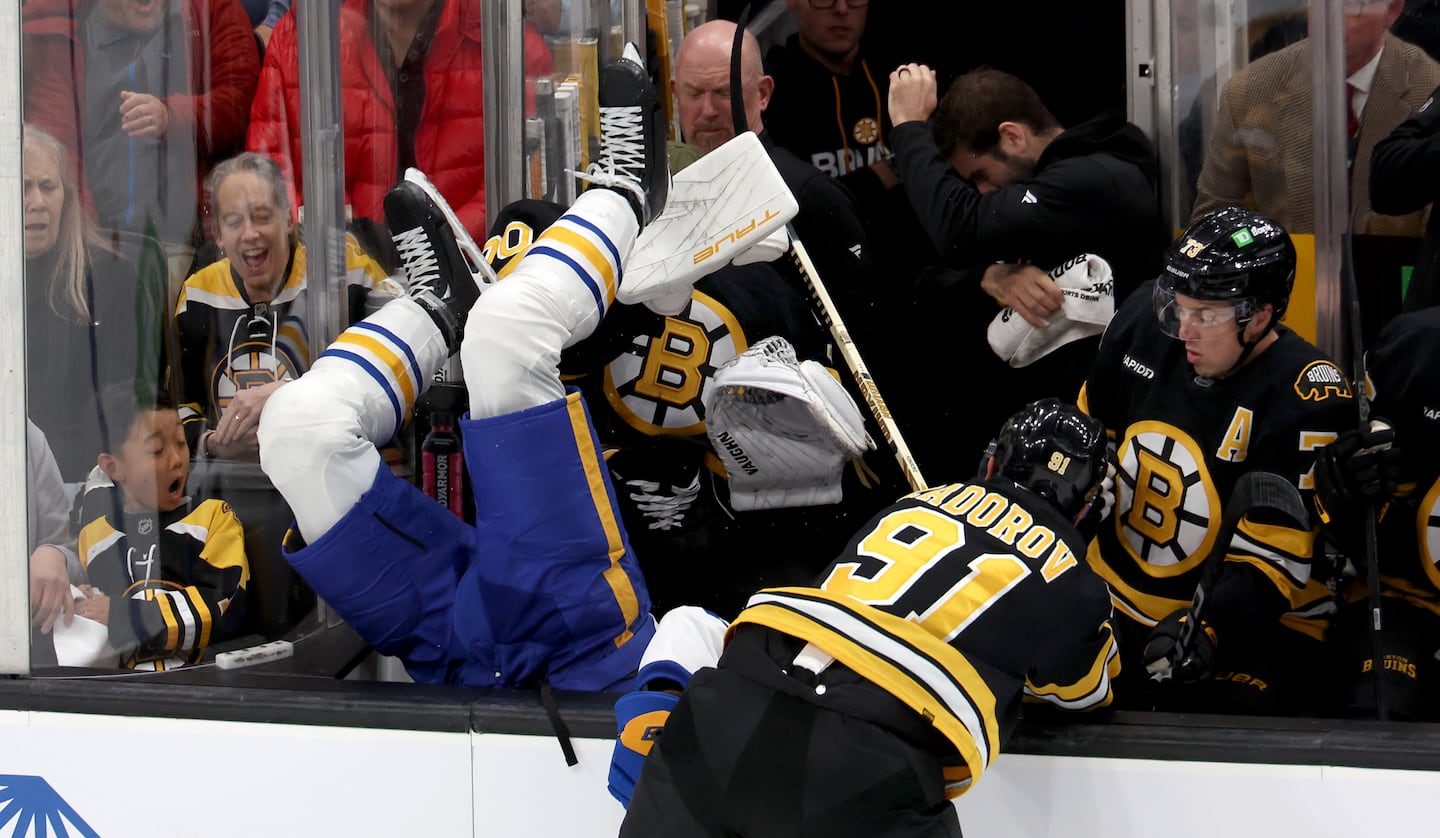
The 2024-25 campaign’s 79-point failure was defined by a lack of physical deterrence. In response, the 2025-26 Sabres adopted an aggressive operational identity, utilizing players like Beck Malenstyn and Mattias Samuelsson to establish physical leverage. This ‘scrappy’ methodology serves two functions: protecting high-skill assets and disrupting the rhythm of opponents. This tactical evolution has restored the ‘home-ice advantage’ at KeyBank Center, transforming a previously passive environment into a venue defined by territorial dominance and emotional momentum.
Market Resilience and Regional Economic Impact
The Buffalo market’s durability during fifteen years of mismanagement is a statistical anomaly in North American sports. The city’s cultural tethering to the franchise—comparable to the historic patience seen in the pre-2004 Boston Red Sox—prevented total commercial collapse. The 2026 playoff appearance validates this institutional loyalty and strengthens the NHL’s divisional health in the Northeast. As the Sabres prepare to face the Boston Bruins, the series serves as a benchmark for their new operational model, testing whether this resurgence is a temporary fluctuation or a permanent structural transformation.