Operational Response to In-Flight Security Contingencies
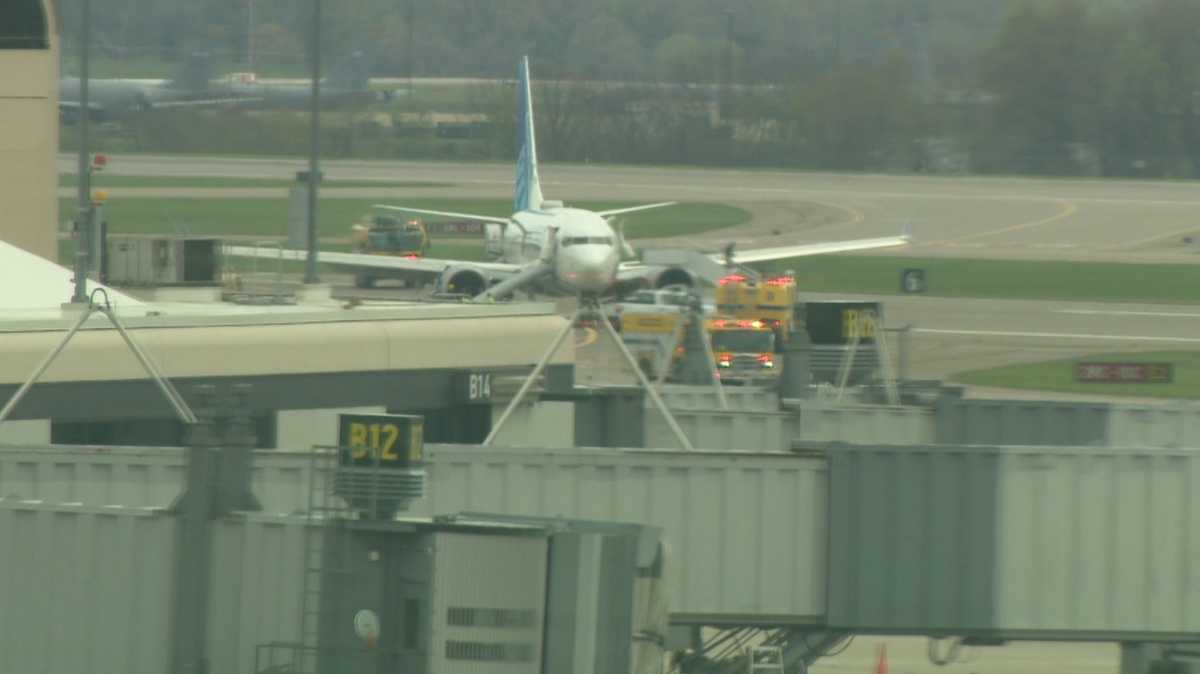
The diversion of United Flight 2092 from Chicago O’Hare to Pittsburgh International Airport underscores the critical operational protocols governing commercial aviation when in-flight security threats emerge. Upon receiving a report from the flight crew, the aircraft was immediately rerouted to the nearest suitable facility, prioritizing risk containment over the original flight path to LaGuardia.
The execution of an emergency evacuation via slides, involving 159 passengers and six crew members, marks a rapid transition from standard transit to tactical crisis management. This procedure is specifically engineered to mitigate potential harm by clearing the cabin, allowing specialized law enforcement to secure the vessel.
Inter-Agency Coordination and Tactical Deployment
The response involved the Allegheny County Police Bomb Squad and FBI Pittsburgh specialized units, reflecting a standard multi-agency framework. These entities operate under established inter-agency protocols to neutralize potential threats before clearing the aircraft for movement. The presence of emergency medical services and fire rescue teams served as a vital buffer, addressing the physical safety requirements of the evacuation.
Strategic and Systemic Implications
Such diversions trigger complex logistical challenges, including secondary re-accommodation and network-wide operational strain. For the aviation industry, these incidents act as stress tests for existing security architectures, demonstrating the efficacy of crew-led threat identification and integration with ground-based law enforcement. Furthermore, the diversion of a commercial flight necessitates immediate adjustments to airport operations, highlighting the vulnerability of hub infrastructure to localized security events.
Risk Management and Regulatory Oversight
The decision to evacuate via slides, while disruptive, remains a calculated measure to maximize passenger safety during an unresolved security event. The Federal Aviation Administration (FAA) oversees the regulatory compliance of such diversions, ensuring all actions adhere to federal aviation statutes. While investigators gather evidence, the incident remains subject to strict security protocols to preserve the integrity of the aircraft and the safety of the airport environment.
Long-Term Institutional Continuity
Data from the diversion of Flight 2092 will be integrated into historical datasets used by security agencies to refine threat assessment models. By analyzing these circumstances, authorities can identify patterns that inform future security policies and training requirements, ultimately reinforcing the robustness of the global aviation security framework against potential disruptions.