Operational Response and Tactical Mitigation
The emergency landing of a small aircraft at Raleigh-Durham International Airport (RDU) on Friday afternoon provides a focused case study in aviation contingency planning. Occurring at approximately 2:40 p.m., the incident involved a belly landing—a high-risk maneuver requiring the immediate deployment of RDU Fire Rescue and Operations. The tactical priority was the neutralization of friction-induced thermal hazards and the containment of potential fluid leaks, ensuring the safety of the pilot and preventing long-term damage to the runway substrate.
Infrastructure Redundancy and Traffic Throughput
The bifurcation of RDU’s runway assets proved critical in maintaining regional economic connectivity. By isolating the disabled aircraft on a secondary runway, airport authorities leveraged infrastructure redundancy to preserve the operational status of the primary commercial strip. This strategic diversion prevented a total ground stop, which would have triggered a cascade of delays across the East Coast flight network, impacting carrier fuel burn rates and passenger connections. While the closure of the secondary strip necessitated a recalibration of air traffic control sequencing and increased taxiing complexity, the systemic impact was effectively localized.
Mechanics of Recovery and Site Remediation
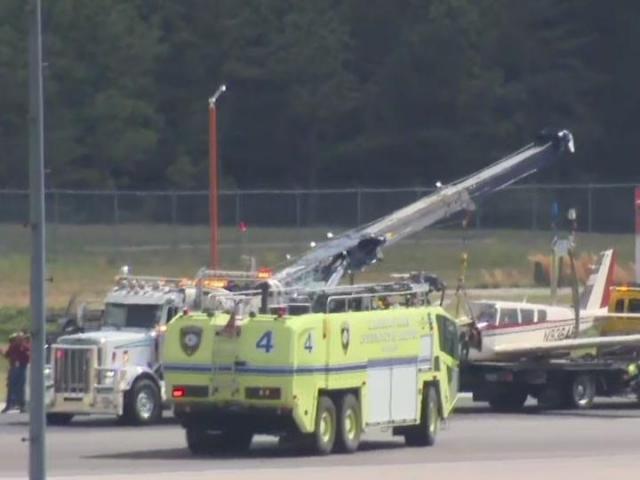
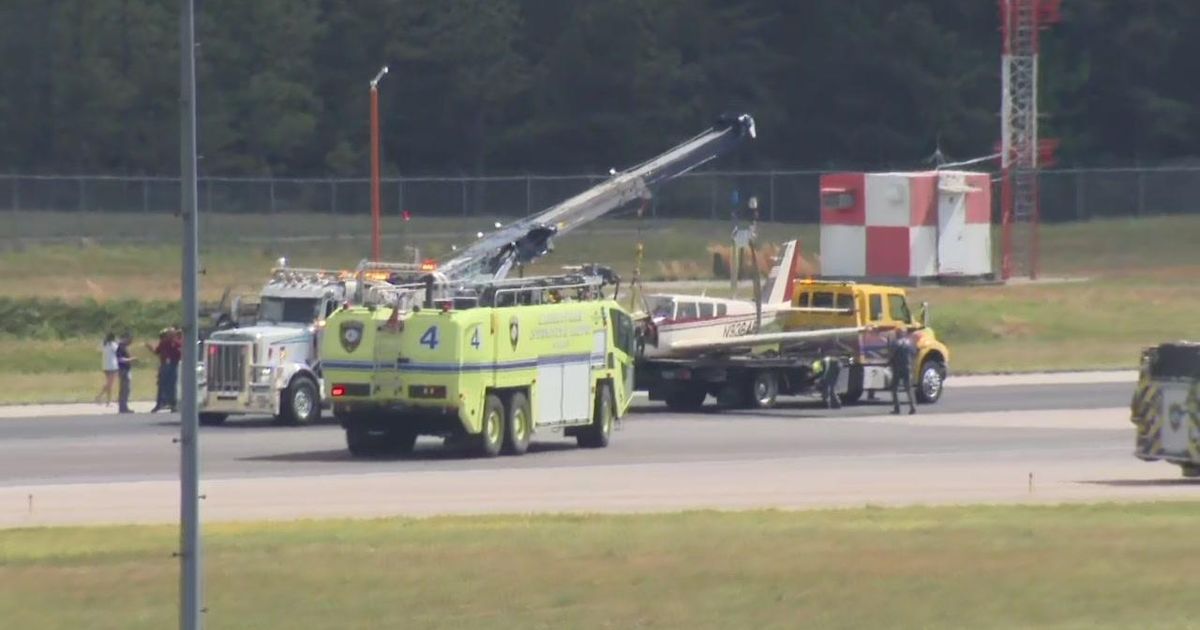
Belly landings present complex recovery logistics that extend beyond the physical removal of the airframe. The absence of extended landing gear requires heavy lifting equipment and specialized transport units to vacate the sterile zone without further damaging the aircraft or the runway surface. Following removal, a comprehensive site remediation process is mandatory to inspect for structural gouging and debris. Until these protocols are satisfied, the secondary runway remains an idle asset, representing a temporary loss of revenue-generating inventory and an increase in operational opportunity costs.
Institutional Readiness and Safety Standards
The absence of injuries reflects the efficacy of RDU’s institutional safety frameworks and the high readiness levels of its emergency personnel. This incident underscores the importance of a well-rehearsed communication strategy; the immediate confirmation of main runway functionality served to stabilize stakeholder confidence. By adhering to strict regulatory recovery procedures rather than prioritizing an immediate reopening, RDU Operations ensured that the event contributed to broader safety data used to refine future emergency response protocols within the national aviation system.