GOP Leverages ‘Greedflation’ Narrative Amid Iran Conflict-Driven Inflation
Republican officials, including former Trump administration figures and House Republicans, are increasingly adopting the ‘greedflation’ narrative to explain surging inflation. This strategy echoes tactics previously employed by Democrats to deflect blame for economic instability.
The current economic climate, characterized by sharp increases in commodity prices, is directly linked to geopolitical tensions surrounding Iran and disruptions within the Strait of Hormuz. These disruptions have significantly impacted the supply of critical goods such as oil, natural gas, fertilizer, aluminum, and plastics, leading to substantial price hikes.
U.S. gasoline prices have seen their largest monthly increase on record, and fertilizer prices have surged dramatically. These escalations in essential commodities are projected to translate into higher food prices for consumers, intensifying public concern over the cost of living.
The Trump administration and its allies have offered various explanations for price increases, ranging from downplaying their severity to blaming Democratic policies. The adoption of the ‘greedflation’ argument signifies a strategic pivot in response to mounting voter dissatisfaction with rising costs.
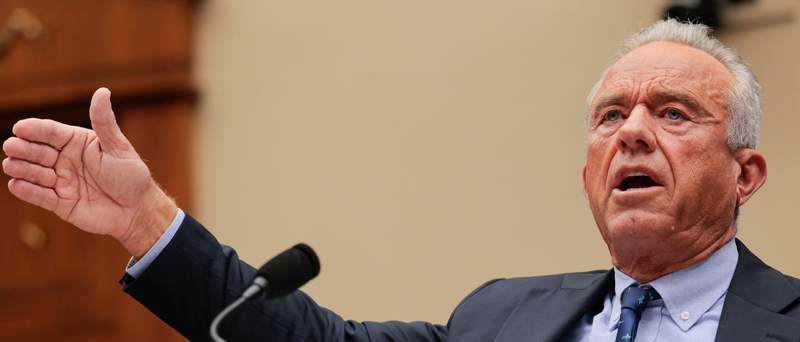
This tactic was notably observed during recent congressional hearings, where Trump-era officials and House Republicans emphasized the role of corporate behavior. The apparent objective is to mitigate political fallout from inflation that has intensified amid economic instability linked to the U.S.-Iran conflict, particularly with approaching elections.
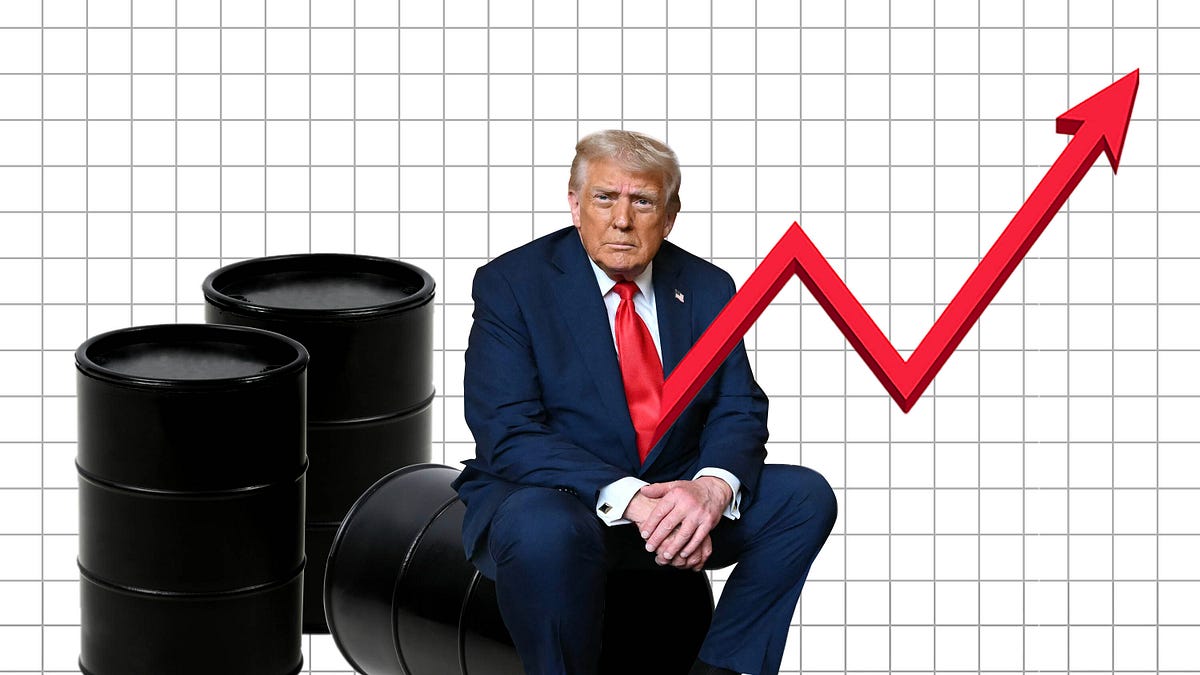
Data from Trending Economics indicates the U.S. annual inflation rate reached 3.3% in March. This represents a notable increase from the 2.4% rate observed in January and February, marking the highest inflation rate since May 2023, when it stood at 4.1%.
While the current inflation rate is significant, historical data shows the peak inflation rate under President Joe Biden reached 9.1% in June 2022. This historical context highlights the cyclical nature of political responses to inflation, with both parties often utilizing similar deflection strategies.
During the Biden administration, officials frequently attributed rising gas prices to perceived corporate greed. This established communication playbook now appears to have been adopted by Republicans as they navigate the economic consequences of the Iran conflict.
The disruption of global supply chains originating from the Persian Gulf region has had a cascading effect on commodity markets. Blockades and subsequent naval activity have created significant bottlenecks for essential goods.
Infrastructure damage in the Persian Gulf region further exacerbates the situation, suggesting that even if blockades are lifted, production levels may not recover quickly. This prolonged impact on supply is a key driver of sustained price increases.
The strategic decision to engage in actions that disrupt critical global shipping lanes, such as the Strait of Hormuz, carries inherent economic risks. These risks manifest as increased costs for businesses and consumers worldwide, particularly impacting the energy and agricultural sectors.
The political calculus behind adopting the ‘greedflation’ narrative involves shifting public focus away from administration policies or geopolitical actions. By framing inflation as a result of corporate malfeasance, political leaders can appear to champion the consumer.
This strategy also aims to preemptively counter accusations that foreign policy decisions are directly responsible for economic hardship. The narrative of corporate greed provides a convenient scapegoat, diverting attention from the complex interplay of global events and their economic repercussions.
The impact on the agricultural sector is particularly concerning, given the surge in fertilizer prices. This will inevitably lead to higher production costs for farmers, which are then passed on to consumers in the form of increased food prices.
The political implications of rising food prices are substantial, as they directly affect household budgets and can significantly influence voter sentiment. The ‘greedflation’ argument seeks to channel this public anger towards corporations rather than government policy.
The effectiveness of this political strategy will depend on public perception and media framing. If the ‘corporate greed’ narrative gains traction, it could shield the administration from direct criticism regarding its foreign policy and economic management.
However, persistent economic hardship and a lack of tangible solutions could eventually lead to scrutiny of the underlying causes, including the impact of geopolitical conflicts on global supply chains.
The historical precedent of both major parties utilizing similar communication strategies during periods of economic distress suggests a pattern of political expediency. The focus often shifts to assigning blame rather than implementing comprehensive economic reforms.
The current situation highlights the interconnectedness of international relations and domestic economic stability. Actions taken on the global stage, such as those involving Iran, have direct and measurable consequences for the cost of living within the United States.
The Republican party’s embrace of the ‘greedflation’ argument signifies a recognition of the potent political appeal of targeting corporate profits during inflationary periods. This tactic allows them to position themselves as advocates for the consumer while deflecting criticism.
The disruption of critical commodity flows, such as oil and gas from the Persian Gulf, has a profound impact on global energy markets, directly influencing transportation costs and industrial production.
The destruction of infrastructure in the region adds another layer of complexity, suggesting that supply chain recovery may be protracted, thereby sustaining inflationary pressures.
The political strategy of blaming corporate greed is a tactic designed to resonate with a public experiencing economic strain, offering a seemingly straightforward explanation for complex economic phenomena.
This approach, however, risks oversimplifying the causes of inflation, which often stem from a confluence of factors including monetary policy, fiscal spending, and global supply shocks.
The administration’s decisions impacting critical shipping lanes have direct implications for the global economy, and the resulting inflation creates a domestic political challenge that requires a strategic response.
The adoption of the ‘greedflation’ narrative by Republicans demonstrates a calculated effort to leverage public sentiment against large corporations, potentially bolstering their political standing among voters concerned about the cost of living.
The effectiveness of this strategy hinges on its ability to resonate with voters and deflect scrutiny from the administration’s role in the geopolitical events contributing to inflation.
The long-term economic consequences of sustained supply chain disruptions and inflationary pressures can impact investment decisions, consumer spending, and overall economic growth.
The political discourse surrounding inflation often simplifies complex economic issues into easily digestible narratives. The ‘greedflation’ argument fits this pattern by offering a clear antagonist in corporate entities.
This approach may provide short-term political relief but could potentially hinder a deeper understanding of the structural factors contributing to inflation, such as global trade dynamics and geopolitical instability.
The administration’s foreign policy decisions, particularly those impacting critical shipping lanes, have direct implications for the global economy. The resulting inflation creates a domestic political challenge that requires a strategic response.
The Republican party’s adoption of the ‘greedflation’ narrative is a strategic maneuver to capitalize on public discontent, allowing them to present themselves as advocates for consumers facing rising prices.
The sustained disruption of key commodities from the Persian Gulf represents a significant challenge to global economic stability, with acute impacts on energy and agricultural markets.
The political response to inflation often involves seeking scapegoats, and corporations frequently become the target. This narrative can be politically advantageous, diverting attention from the role of government policy or geopolitical events.
The long-term viability of this strategy will depend on whether it can effectively address public concerns about inflation or if it merely serves as a temporary deflection from underlying economic issues.
The interconnectedness of global events means that geopolitical conflicts can have immediate and substantial impacts on domestic economies, with the situation in Iran serving as a clear example.
The Republican party’s strategic decision to employ the ‘greedflation’ narrative demonstrates an understanding of public sentiment and the political capital that can be gained by targeting corporate actions during inflationary periods.
The ongoing disruptions in the Strait of Hormuz and their impact on commodity prices represent a critical economic challenge, and the political response to this challenge is shaping public discourse on inflation.
The strategy of blaming corporate greed is a well-established political tactic effective in redirecting public anger during times of economic hardship, and its current application highlights the adaptive nature of political communication.
The long-term economic consequences of sustained inflation, exacerbated by supply chain disruptions, can affect investment, consumption, and overall economic growth. The political framing of these issues is therefore of considerable importance.
The Republican party’s embrace of the ‘greedflation’ narrative signifies a strategic alignment with public sentiment concerning rising prices, seeking to leverage popular dissatisfaction with corporate profits during inflationary periods.
The geopolitical tensions and their impact on global commodity markets represent a significant economic challenge, and the political response involves framing the narrative around inflation.
The strategy of blaming corporate greed is a well-established political tool that can be employed to redirect public anger during periods of economic distress, its current application underscoring its continued relevance in political communication.
The long-term economic implications of sustained inflation, driven by supply chain vulnerabilities, can affect a nation’s economic trajectory, and political narratives emerging during such times can influence policy decisions and public perception.
The Republican party’s embrace of the ‘greedflation’ narrative signifies a strategic effort to capitalize on public dissatisfaction with rising prices, positioning them as defenders of the consumer against perceived corporate exploitation.
The disruptions in the Strait of Hormuz and their subsequent impact on global commodity prices have created a challenging economic environment, and the political response involves crafting specific narratives around inflation.
The strategy of blaming corporate greed offers a simplified explanation for complex economic phenomena, which can be politically advantageous during times of public concern over the cost of living.
The long-term economic consequences of persistent inflation, exacerbated by supply chain disruptions, can have a profound impact on economic stability and growth, making the political discourse surrounding these issues critical.