Sabrina Carpenter’s Coachella Strategy: Leveraging Scarcity for Brand Architecture
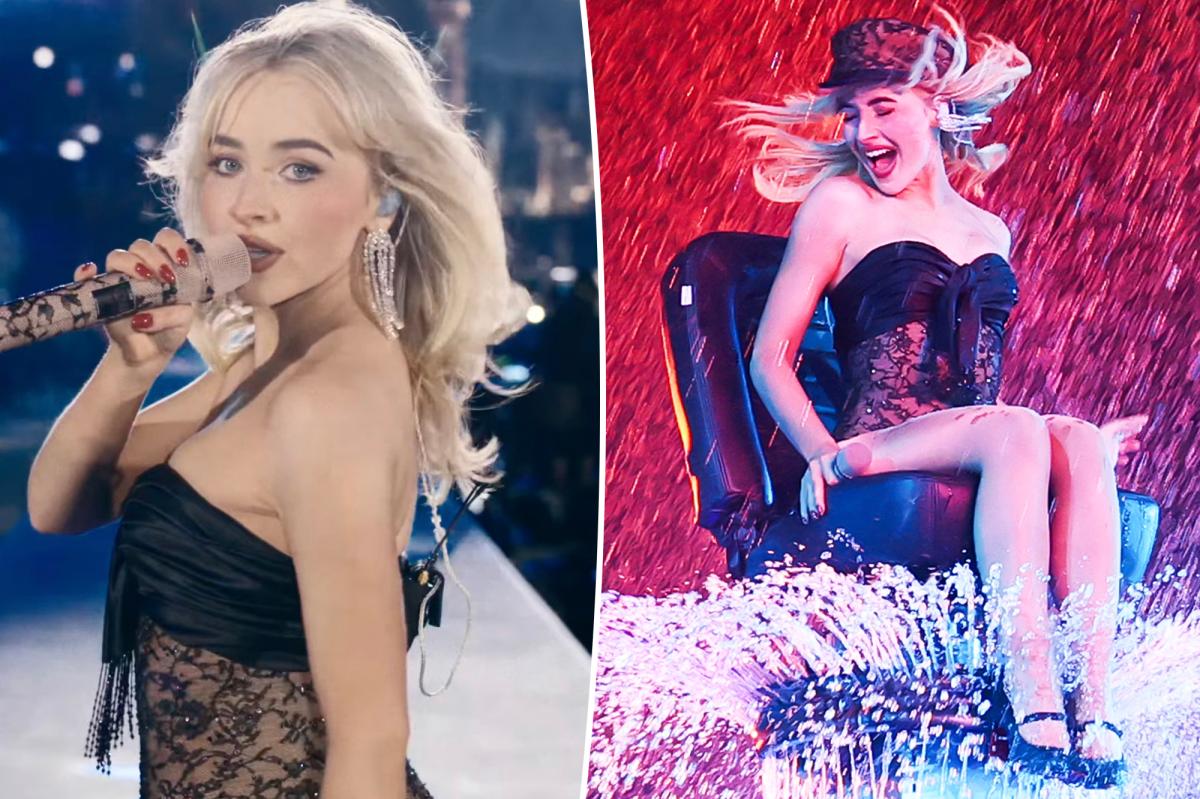
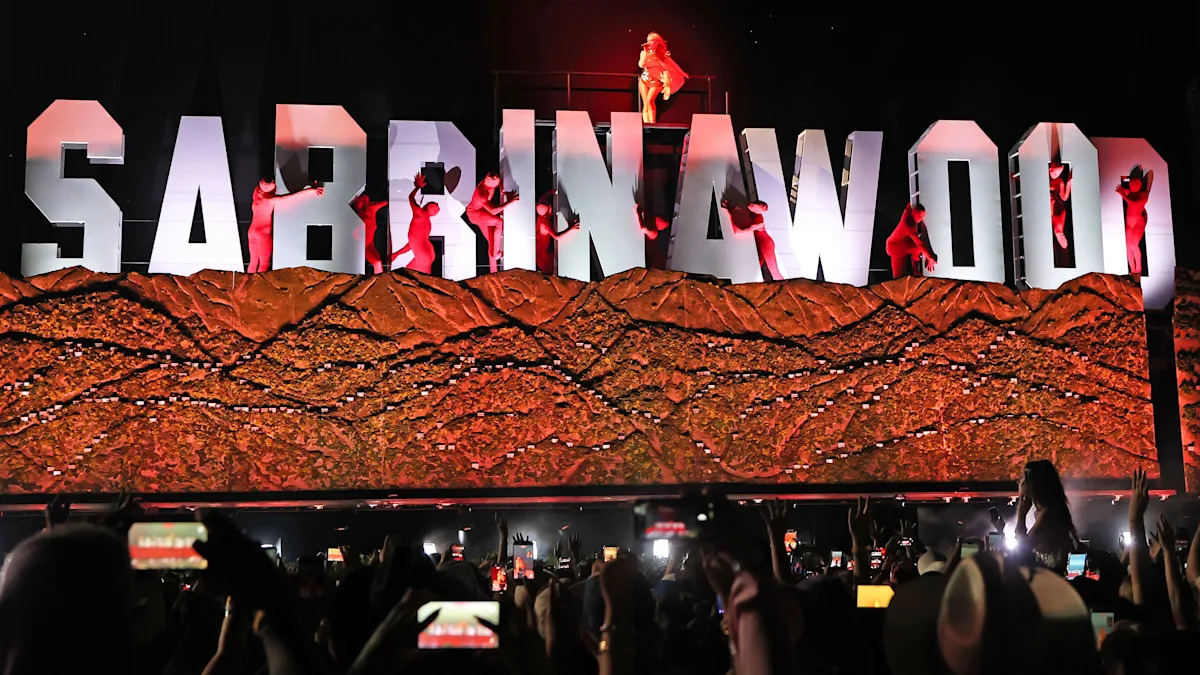
Sabrina Carpenter’s headlining performance at Coachella 2026, spanning both weekends, served as a high-stakes strategic pivot rather than a conventional tour stop. The artist’s description of the set as “the most ambitious show I’ve ever done” signals a significant investment in long-term brand architecture and market positioning. By transforming the main stage into a themed environment dubbed “Sabrinawood,” Carpenter’s team aimed to establish a distinct, proprietary cultural identity. This approach prioritized brand equity and future market leverage over immediate revenue generation, utilizing the festival platform to generate scarcity value and maximize media exposure before a broader market release.
Strategic Persona Evolution and Brand IP Creation
The core strategic objective of the Coachella set was to manage the artist’s transition from a previous identity, specifically moving beyond her “Disney days” to establish a mature, defined persona. The “modern nostalgia” aesthetic, developed in collaboration with her long-term makeup artist, served as the visual language for this transition. By integrating elements of nostalgia with contemporary pop aesthetics, Carpenter’s team aimed to broaden her appeal, capturing both existing listeners and new audiences drawn to the curated cultural references. The deliberate creation of a distinct brand identity, “Sabrinawood,” transforms the artist’s persona into a scalable intellectual property, providing a cohesive framework for future merchandise, visual media, and brand partnerships. This high-production value and thematic coherence are essential for differentiation in a saturated pop market.
Scarcity Economics and Media Amplification
The strategy hinged on a calculated scarcity model driven by the lack of announced tour plans at the time of publication. By positioning the performance as potentially the “last shot to see her in-person live for a while,” Carpenter maximized the perceived value of the event. This scarcity model ensured that high-value content, concentrated into a limited number of performances, amplified media coverage and social media buzz. The two-weekend approach at Coachella further reinforced this leverage. The first weekend generated initial media analysis and fan engagement, while the second weekend provided an opportunity to refine the narrative and ensure sustained media relevance. This concentration of high-impact content generated demand for subsequent projects, including potential tour announcements and album releases, without the operational costs and logistical complexity of a full-scale tour launch.
Operational Investment and Performance Leverage
The operational complexity of the “Sabrinawood” concept extended beyond standard musical performance. The integration of high-profile celebrity cameos, specifically Susan Sarandon, Will Ferrell, and Samuel L. Jackson, represented a significant investment in cultural capital and cross-industry collaboration. These cameos served multiple strategic purposes: first, they signaled a crossover appeal beyond the music industry, associating Carpenter with established figures in film and television; second, the polarizing nature of the cameos (described as “bizarre” yet “iconic”) ensured high levels of discourse and media coverage. The performance’s high-profile nature functions as performance leverage, positioning the artist to negotiate higher fees for future appearances and potentially command higher ticket prices for a subsequent tour. By maximizing a single live event through sustained digital engagement, this approach provides a more efficient path to long-term brand equity and financial leverage, rather than relying solely on traditional tour cycles.