Fragile Ceasefire and US-Iran Negotiations: Strategic Interplay in Lebanon
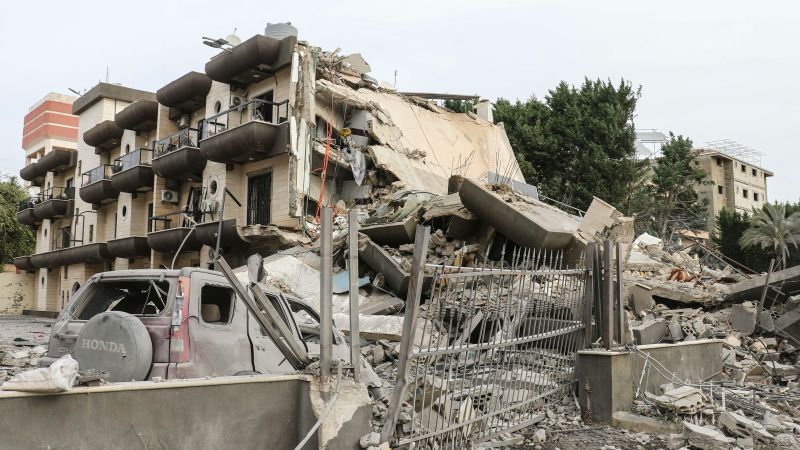
A 10-day truce between Israel and Hezbollah in Lebanon has taken effect, immediately revealing the strategic complexities that define the regional conflict. The ceasefire, intended to halt hostilities, was almost immediately tested by allegations of violations and conflicting statements from key stakeholders, underscoring its fragile nature as a tactical pause rather than a definitive resolution.
The operational challenges were highlighted when the Lebanese army accused Israel of violating the ceasefire shortly after it began. This claim emphasizes the difficulty of enforcing a truce in an environment where trust between adversaries is nonexistent, where even minor actions can rapidly escalate and collapse the fragile diplomatic framework. The incident underscored the immediate challenge of transitioning from active conflict to sustainable de-escalation, given the high-stakes environment.
Further complicating the situation, Israeli Prime Minister Benjamin Netanyahu stated that Israeli forces would not withdraw from their positions in southern Lebanon. This declaration fundamentally redefines the strategic calculus of the ceasefire, establishing a new operational status quo. By refusing to pull back, Israel signals that the truce is conditional on maintaining a new forward defensive line, ensuring it retains strategic depth and deterrence capabilities even during a period of supposed de-escalation.
In response, a Hezbollah official warned that the group reserves the right to respond to attacks. This statement maintains Hezbollah’s position as a non-state actor with significant operational autonomy. By refusing to fully cede its right to respond, the group ensures that the deterrence dynamic remains active, preventing Israel from gaining a unilateral advantage during the truce period and complicating state-level negotiations between the US and Iran.
US Leverage Tactics in Broader Geopolitical Context
The conflict in Lebanon serves as a critical pressure point in the broader US-Iran negotiations, with US officials explicitly identifying the conflict with Hezbollah as a key sticking point. This linkage between a regional proxy conflict and high-level statecraft indicates a strategic shift in how the US approaches negotiations with Iran. The US goal is to leverage Iran’s desire for sanctions relief or other concessions to reduce its regional influence and support for non-state actors like Hezbollah.
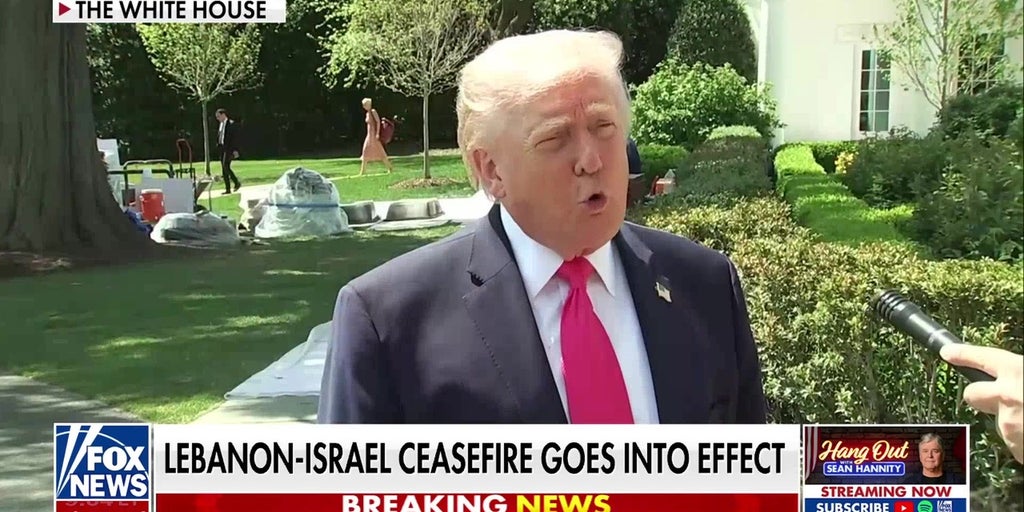
US President Donald Trump voiced confidence that a deal with Tehran would come soon, suggesting another round of talks could take place within days. This statement serves as a strategic communication tactic aimed at creating momentum for negotiations and signaling to both domestic and international audiences that diplomatic progress is imminent. This positioning can influence market sentiment and increase pressure on adversaries to make concessions by creating a sense of urgency.
To further isolate the immediate conflict from the core US-Iran negotiations, the US proposed a White House meeting between Israel and Lebanon within two weeks. This initiative suggests an attempt to create a parallel diplomatic track to address the specific conflict in Lebanon. By facilitating direct talks, the US aims to de-escalate the conflict while potentially reducing Iran’s leverage in the broader negotiations by isolating Hezbollah from the state-level resolution process.
Asymmetric Warfare Dynamics and Coercive Diplomacy
The diplomatic flurry is set against a backdrop of heightened US military readiness in the region. US officials confirmed that troops in the Middle East are rearming and stand ready to resume combat if negotiations with Iran fail. This posture serves as a critical element of deterrence, signaling to Iran that the US maintains a credible military option should diplomatic efforts collapse. The rearming process suggests a long-term strategic shift toward maintaining a high state of readiness, indicating a potential long-term strategic shift rather than a temporary reaction.
The US is also maintaining a naval blockade in the region, a powerful tool of economic and military coercion. This action restricts capital movement and supply chains, impacting regional economies and potentially disrupting Iran’s ability to finance its regional activities. The blockade adds a layer of economic pressure to the diplomatic negotiations, forcing Iran to consider the financial consequences of continued non-compliance.
The combination of rearming and a naval blockade creates a high-stakes environment where the US seeks to maximize leverage. The operational readiness of US forces provides a strong incentive for Iran to engage seriously in negotiations, while the economic pressure from the blockade further constrains Iran’s options. This strategy aims to force Iran into a position where de-escalation and concessions become the most viable path forward by creating a strategic trade-off between economic stability and regional influence.
Institutional Context and Strategic Implications
The dynamics of this conflict are defined by the asymmetric nature of the warfare, involving a state actor (Israel), a non-state actor (Hezbollah), and a regional power (Iran) operating through proxies. Israel’s non-withdrawal statement reflects its primary incentive: maintaining security and deterrence against Hezbollah without ceding strategic ground during the truce. For Hezbollah, the warning of a right to respond highlights its incentive to maintain operational autonomy and deterrence credibility, ensuring its interests are not overlooked in any potential deal between the US and Iran.
The conflict’s institutional complexity extends to the internal dynamics of Lebanon. The Lebanese army’s claim of a ceasefire violation highlights its position as a state institution caught between the interests of a powerful non-state actor (Hezbollah) and a neighboring state (Israel). The army’s role in reporting violations suggests an attempt to assert state sovereignty and control over the conflict narrative, even if its operational authority is limited in areas controlled by Hezbollah.
The proposed White House meeting between Israel and Lebanon, if successful, could trigger a structural shift in regional diplomacy. It would establish a precedent for direct talks between adversaries, potentially bypassing traditional multilateral forums. However, the success of such a meeting hinges on the ability of the US to manage the competing interests of state and non-state actors, a task complicated by Hezbollah’s deep institutional integration within Lebanon.
The strategic decisions made during this period will define the long-term geopolitical landscape of the Middle East. Israel’s non-withdrawal policy sets a new precedent for future conflicts and ceasefires, potentially altering the balance of power in southern Lebanon. The outcome of the US-Iran negotiations will determine whether Iran’s regional influence expands or contracts, impacting the stability of other proxy conflicts throughout the region and affecting capital movement in shipping lanes and energy markets.