Strategic Franchise Revival Through Nostalgic Spectacle and Camp Tone
Paramount’s forthcoming Street Fighter film signals a deliberate strategy for franchise revival, notably employing a camp aesthetic amplified by the trailer’s use of 4 Non Blondes’ “What’s Up?”. This choice aims to resonate with the nostalgia of long-time fans while presenting an accessible, self-aware tone to a new generation. The extensive inclusion of World Warriors from original and Alpha series iterations—such as Akuma, Dhalsim, Cammy, and Vega—demonstrates a commitment to fan service and validating player investment.
Core Narrative: Character Integration and Conspiracy
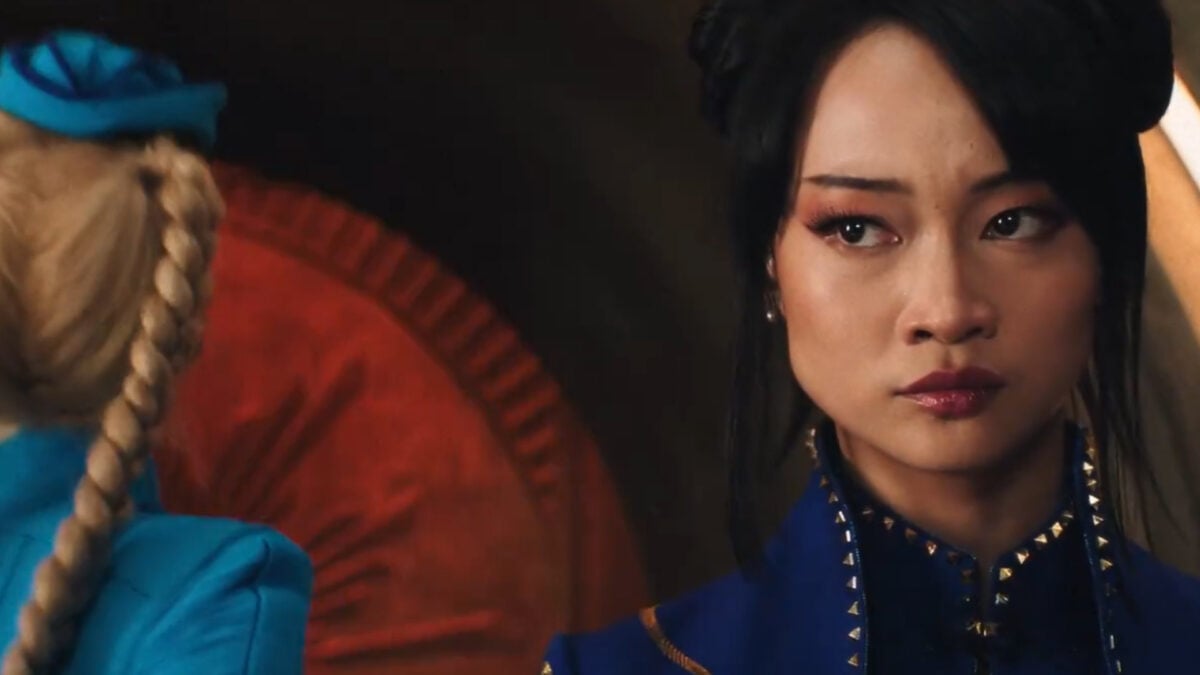
The film centers on series mascots Ryu (Andrew Koji) and Ken Masters (Noah Centineo), highlighting a strategic focus on their dynamic. Their recruitment into the World Warrior Tournament by Chun-Li (Callina Liang) establishes a clear narrative entry point, balancing character arcs with the tournament’s structure. The plot is further defined by M. Bison’s (David Dastmalchian) orchestrated conspiracy, elevating the film beyond mere combat to explore deeper thematic elements and justify its expansive roster.
Digital Engagement and Phased Marketing
An innovative marketing campaign features QR-coded flyers initiating a global countdown to April 16th, underscoring a sophisticated digital engagement strategy. This phased reveal builds organic buzz and shared anticipation, directly linking physical promotion to online interaction. The countdown’s conclusion is anticipated to reveal the primary trailer, a critical component for solidifying audience expectations and sustaining pre-release momentum.
Favorable Industry Climate for Video Game Adaptations
The current industry trend of increasingly high-quality video game adaptations provides a fertile ground for Street Fighter. This context suggests heightened audience receptivity to well-executed adaptations, positioning the film to capitalize on a market eager for compelling translations of interactive entertainment. The trailer’s inclusion of a bonus stage car, a subtle nod to the franchise’s history, further underscores a commitment to honoring the source material.
Strategic Partnership and Franchise Ecosystem Management
The collaboration between Legendary Pictures and Capcom represents a strategic alignment to revitalize the Street Fighter IP. This partnership is crucial for ensuring lore fidelity and leveraging Capcom’s deep understanding of its player base with Legendary’s cinematic expertise. The film’s impending release necessitates a substantial trailer, expected to be pivotal in shaping public perception and box office projections.
Translating Core Appeal: Fighting Styles and Cultural Resonance
The film’s emphasis on iconic fighting styles and “supers” directly targets the franchise’s core appeal, aiming to translate the visceral excitement of gameplay into a compelling cinematic language. Strategic casting, balancing established actors with rising stars, seeks to achieve both marketability and authentic character representation, essential for a dynamic ensemble capable of carrying both action and narrative weight.
Differentiation in a Crowded Market Through Tone
The Street Fighter movie’s distinct campy tone and direct engagement with arcade-era aesthetics serve as key differentiators in a saturated entertainment landscape. This strategy carves a unique niche, leaning into the franchise’s established, often humorous, legacy rather than competing with more serious genre films. The trailer’s reception will indicate the success of this tonal balancing act in capturing the franchise’s spirit for a broad audience.
Operationalizing Nostalgia: Temporal Anchoring and Emotional Capital
The deliberate inclusion of early ’90s setting elements and visual tone is a calculated move to evoke a specific era of gaming, acting as a powerful mnemonic device. By grounding the film in its arcade and home console origins, filmmakers actively strategize to harness decades of accumulated emotional capital, creating a direct emotional conduit to the audience and fostering a deeper connection than a purely contemporary narrative might achieve.
Stakeholder Implications: Capcom and Paramount’s Strategic Goals
For Capcom, this film is a significant opportunity to re-energize a globally recognized IP. Success could drive renewed interest in the video game series, merchandise sales, and cross-media ventures. Paramount aims to diversify its slate and attract a broad audience by leveraging a well-established IP with built-in global recognition, mitigating inherent risks associated with launching new cinematic properties.
The Tournament as a Narrative and Brand Engine
The World Warrior Tournament functions as the central engine driving the film’s plot and character interactions, facilitating a natural progression of conflicts and introducing diverse characters within a competitive framework. The tournament’s inherent drama, coupled with M. Bison’s conspiracy, provides a dual layer of tension designed to maintain audience engagement through both martial arts spectacle and narrative intrigue.
Character Dynamics and Interpersonal Leverage: Ryu, Ken, and Chun-Li
The dynamic between Ryu and Ken is critical for the film’s emotional core, charting their journey from rivals to allies amidst the tournament and conspiracy. Chun-Li’s role as an instigator for their involvement strategically positions her as a narrative catalyst, emphasizing her agency and importance beyond her combat prowess.
M. Bison: The Antagonist as a Strategic Force
David Dastmalchian’s M. Bison embodies the conspiracy, making his character’s motivations and methods crucial for defining the stakes and moral complexities. His effectiveness as a villain directly impacts the perceived threat and the urgency of the protagonists’ mission, elevating the narrative and ensuring action serves a meaningful dramatic purpose.
Ancillary Cast and Franchise Expansion Potential
The inclusion of actors like Eric Andre and Orville Peck suggests a strategy to broaden appeal beyond the core fighting game audience, potentially injecting unique personalities and comedic elements. The breadth of characters featured hints at a long-term vision for franchise expansion, laying groundwork for sequels and spin-offs by establishing a rich, populated universe.
The ‘Goofy as Hell’ Tease: A Calculated Tonal Risk
The initial “goofy as hell” tease, now amplified in the trailer, represents a calculated risk in tone. This approach deviates from serious genre trends, opting to embrace the inherent theatricality of the Street Fighter universe. This tonal decision aims to differentiate the film and appeal to an audience appreciative of self-aware, campy entertainment, with its success dependent on enhancing charm rather than alienating viewers.
‘World Warrior Tournament’ as Brand Extension and Lore Reinforcement
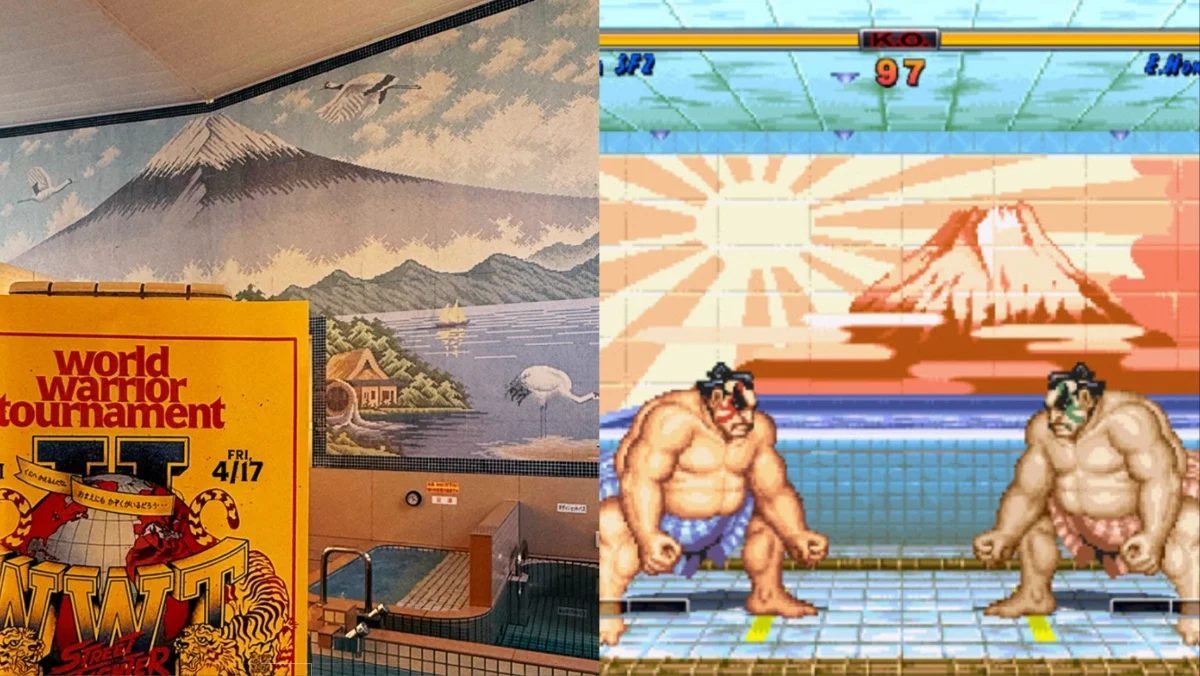
The explicit use of “World Warrior Tournament” in marketing elevates the in-universe event to a recognizable brand, imbuing it with established lore and significance. Framing the film around this established tournament reinforces its connection to the game’s core competitive structure, resonating with players familiar with its importance within the Street Fighter canon.
Takayuki Nakayama’s Involvement: Bridging Game and Film Integrity
The mention of current game director Takayuki Nakayama in promotional activities signifies a crucial bridge between game development and film production. His involvement suggests a commitment to aligning the film’s portrayal of characters and mechanics with the current vision for the Street Fighter franchise, ensuring IP integrity through cross-pollination of talent.
The Trailer as a Performance Indicator for Marketing Strategy
The trailer’s impending release on April 17th serves as a critical performance indicator for the film’s marketing strategy. Its reception will provide immediate feedback on the effectiveness of the chosen tone, character introductions, and narrative setup, influencing pre-release buzz and opening weekend box office projections.
Legacy and Evolution: Adapting Video Games for Modern Audiences
The evolution of video game adaptations from poor to successful demonstrates a maturing industry adept at translating interactive narratives. The Street Fighter movie benefits from this trend, with filmmakers equipped with better tools and understanding of audience expectations, suggesting a higher probability of success compared to earlier attempts.
The ‘Bonus Stage Car’: A Nostalgic Touchstone for Fan Connection
The deliberate inclusion of the bonus stage car, a direct reference to the original games, acts as a powerful cultural touchstone for long-time fans. This detail signifies a deep appreciation for the franchise’s history and its impact on player memory, crucial for building goodwill and demonstrating familiarity with iconic elements to the core fanbase.