
Operational Tempo and Strategic Network Scaling
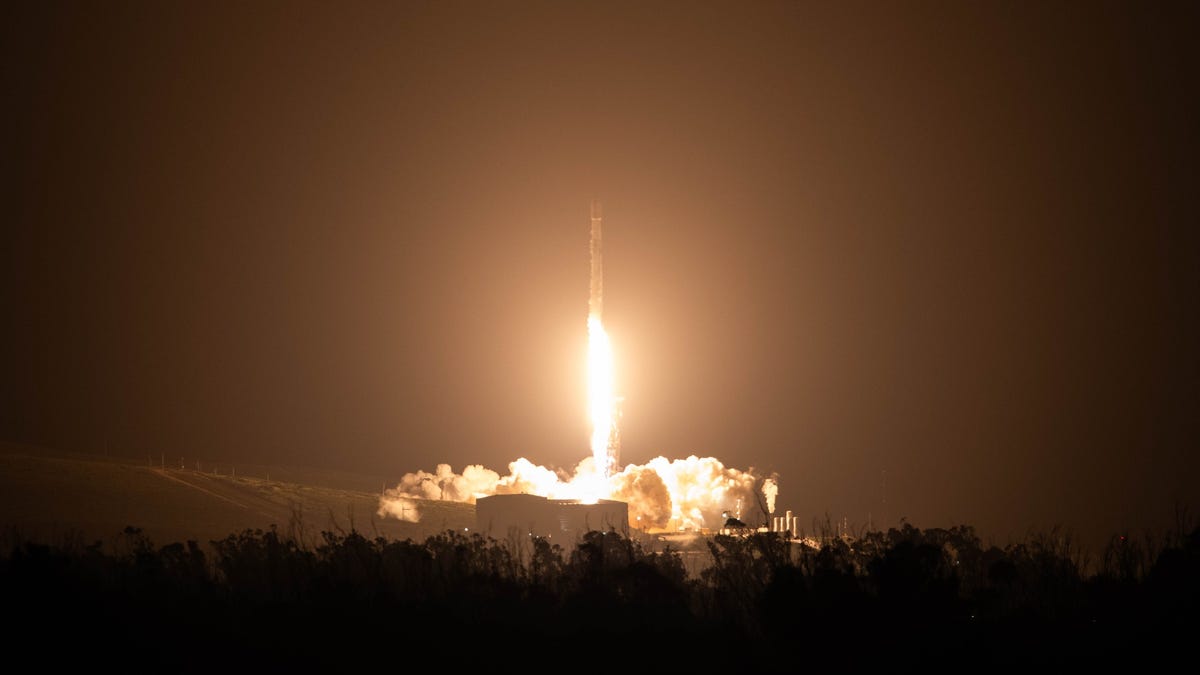
SpaceX continues to refine its high-frequency launch cadence, synchronizing operations between Vandenberg Space Force Base, California, and Cape Canaveral Space Force Station, Florida. These dual-coast operations are critical to the rapid expansion of the Starlink low-Earth orbit (LEO) infrastructure.
By deploying varied satellite counts from these specific sites, SpaceX utilizes standardized Falcon 9 architecture to target precise orbital planes. This approach allows the company to manipulate network inclination and density, ensuring robust global coverage that compensates for terrestrial connectivity limitations.
Economic Efficiency Through Asset Reusability
The consistent use of flight-proven boosters—exemplified by boosters exceeding 20 launches—demonstrates the maturity of SpaceX’s recovery model. Extending the operational lifecycle of hardware such as Booster B1082 directly reduces capital expenditure, effectively lowering the cost-per-kilogram of orbital delivery.
This efficiency is the cornerstone of the Starlink financial model, enabling the constant replenishment of satellites necessary to sustain competitive broadband throughput. The ability to maintain this pace without frequent procurement of new cores provides a significant barrier to entry for competitors in the launch market.
Logistical Coordination and Geographic Leverage
Diversified orbital injection is managed by exploiting the unique geographic advantages of each launch site. Vandenberg provides access to high-inclination, 97-degree polar orbits essential for global reach, while Cape Canaveral’s lower-latitude positioning facilitates efficient equatorial transit.
Managing simultaneous launch windows requires deep integration with military and federal regulatory bodies. This logistical maturity allows for rapid turnaround times, transforming spaceflight from a bespoke event into a predictable, industrialized process.
Market Positioning and Competitive Resilience
The scalability of the Starlink constellation relies on the company’s ability to minimize downtime. Continuous deployment ensures network stability, enabling SpaceX to capture market share from both terrestrial and traditional geostationary satellite providers.
Public and environmental management remains a key operational variable. As frequency increases, transparency regarding airspace usage and the environmental footprint of frequent exhaust emission remains central to maintaining the license to operate at current levels of intensity.
Operational Resilience and Future Outlook
The reliance on autonomous drone ships for first-stage recovery confirms the reliability of the sea-based retrieval architecture. While meteorological and technical risks persist, the mission control team’s ability to manage delays without compromising long-term scheduling is a hallmark of current operational resilience.
As the constellation matures, the strategic focus shifts from initial deployment to capacity management and network optimization. The cumulative data from dozens of annual launches continues to inform next-generation launch vehicle development, ensuring SpaceX maintains its competitive advantage in the commercial space sector.
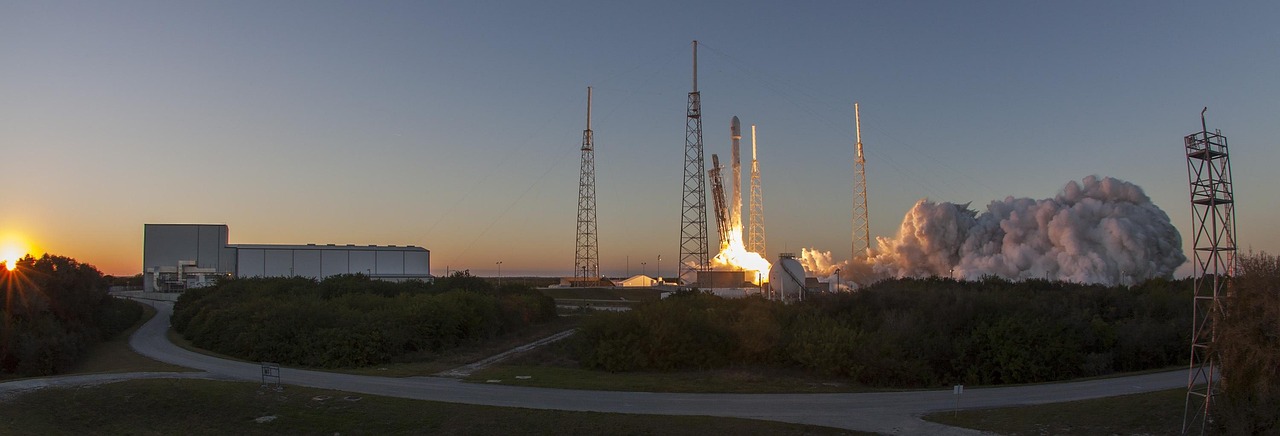
Photo by viktorleon960 on Pixabay.