The Mechanics of Post-Institutional Engagement
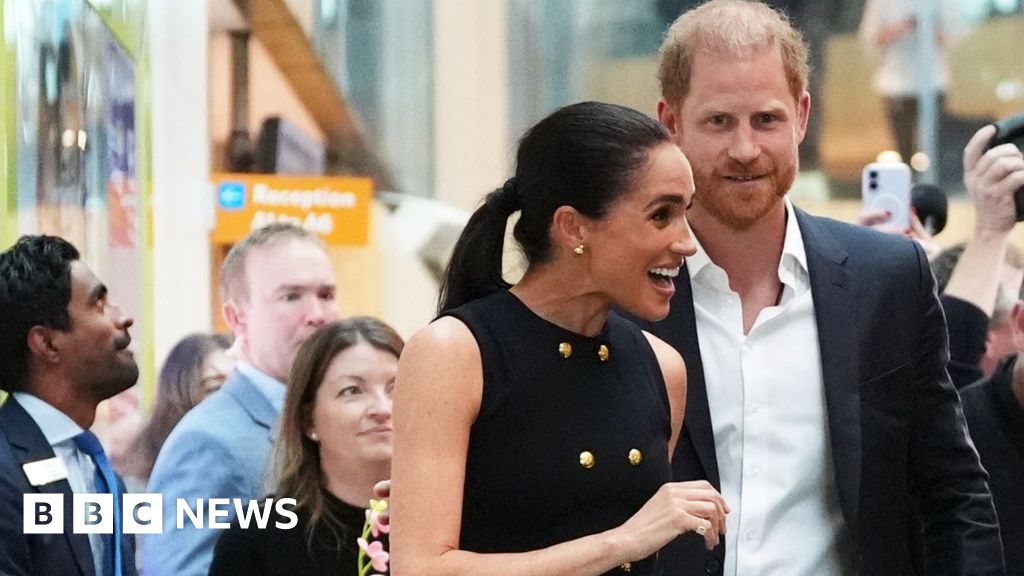
The Duke and Duchess of Sussex’s international engagements represent a shift from state-sanctioned diplomacy to a bespoke, privately managed operational model. By decoupling their public activities from the British monarchy’s institutional constraints, the couple has pioneered a framework that synthesizes private-sector logistics with high-stakes philanthropic impact.
Operational Autonomy and Fiscal Realities
Operating outside the sovereign grant necessitates a transition to private capital, shifting the burden of logistical and security expenses from public coffers to private enterprise. This transition introduces complex variables, particularly regarding security protocols. The friction between their need for private autonomy and the persistent public demand for their presence creates a unique management challenge: how to facilitate high-visibility engagement while navigating the risks previously mitigated by state protection apparatuses.
Strategic Philanthropy as Brand Equity
The couple’s focus on established sectors—such as pediatric healthcare and social welfare—serves as a case study in brand maintenance. By curating specific, high-impact public appearances, they leverage established institutional credibility to maintain relevance. This targeted approach mirrors the structure of traditional royal tours but remains strictly under their own governance, allowing them to insulate their public image from the political volatility of their former roles.
Navigating the Media and Market Ecosystem
The Sussexes operate in a paradox: they rely on global media attention to amplify their philanthropic objectives while simultaneously attempting to mitigate the intrusion that drove their exit from UK-based public life. This necessitates a sophisticated, controlled communication strategy. Without traditional royal mediation, they are refining an ‘independent agent’ model that balances financial sustainability with the preservation of their personal brand identity.
Long-Term Implications
The viability of the Sussex model depends on the ability to maintain consistency across charitable and commercial ventures. Their success effectively creates a blueprint for other high-profile figures seeking to transition from traditional institutions into independent, influential roles. As they continue to refine this operational framework, they are defining a new category of public figure: one whose power is derived not from state succession, but from the curation of a private, high-profile global platform.