Affleck’s Public Family Engagements Signal Evolving Co-Parenting Dynamics
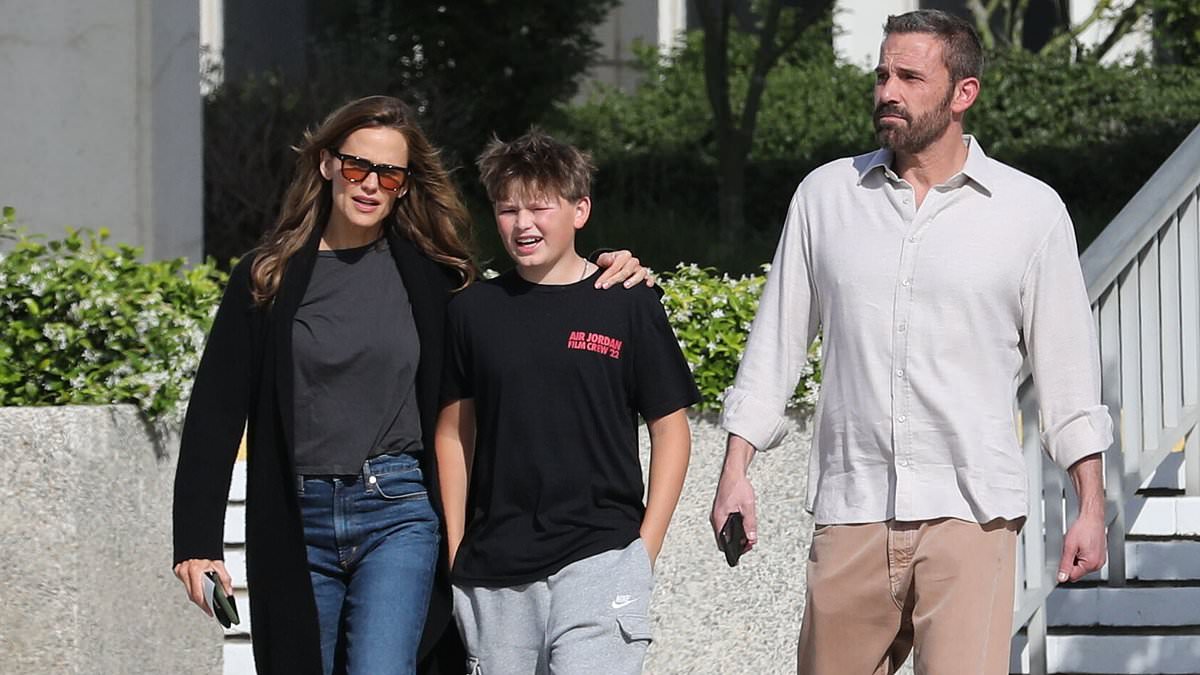
Recent public appearances by actor Ben Affleck with his children Fin, 17, and Samuel, 14, alongside ex-wife Jennifer Garner, highlight a discernible trend in high-profile co-parenting strategies. These joint outings, including a roller derby event and errands, suggest a deliberate effort to present a united family front. This approach is likely influenced by evolving societal expectations and the intense scrutiny faced by celebrity families.
The strategic nature of these coordinated appearances, particularly when Affleck’s current partner, Jennifer Lopez, is also engaged in high-profile events like Coachella, underscores a complex balancing act. This positioning indicates a prioritization of familial continuity and a carefully managed public narrative, aiming to project a stable and amicable post-divorce dynamic. Such visibility can bolster positive public images for all involved parties, potentially mitigating negative press associated with celebrity separations.
Affleck’s consistent engagement with his children, including attending a Broadway play, signifies a deep commitment to direct parental involvement. These shared experiences, such as attending a roller derby, demonstrate more than obligatory appearances; they signal a genuine dedication to active roles in their upbringing. The noted coordination in attire on occasion further suggests a conscious effort to present a cohesive familial unit to the public.
The sustained amicable relationship between Affleck and Garner, as evidenced by their united front, contrasts with more contentious celebrity divorces. This enduring partnership in co-parenting, marked by joint appearances for holidays and birthdays, establishes a benchmark for post-marital familial cohesion. Such a model can influence broader public perceptions of divorce and co-parenting, particularly for individuals navigating similar personal circumstances.
Increased public access to these family moments, amplified by media coverage, actively shapes perceptions of celebrity parenthood. By presenting a narrative of normalcy and shared activities, Affleck and Garner manage their public personas as parents. This strategy can buffer against intrusive speculation and reinforce their roles as dedicated caregivers, thereby protecting their children from undue external pressures.
The timing of these appearances, such as the reunion with Samuel ahead of Easter, suggests a strategic deployment of familial unity for public consumption. This deliberate presentation aims to project an image of stability and normalcy, potentially preempting or countering narratives of discord. Such a managed public image is a critical component of maintaining brand value and personal reputation in the competitive entertainment industry.
Affleck’s solo outings with his children, such as attending a Daniel Radcliffe play, also underscore a commitment to individual parental engagement. These moments, distinct from joint appearances with Garner, demonstrate a multifaceted approach to co-parenting that accommodates both shared family time and individual parent-child bonding. This balance is crucial for fostering strong relationships while respecting the established co-parenting framework.
Media amplification of these family moments significantly shapes public discourse on celebrity family life. Consistent reporting on Affleck’s interactions with Fin and Samuel, often highlighting his role as a “proud dad,” contributes to a narrative of engaged fatherhood. This carefully constructed narrative influences public opinion and perceptions of his personal life.
The contrast between Affleck’s family engagements and Jennifer Lopez’s concurrent high-profile activities, such as her Coachella performance, subtly highlights the distinct spheres of his personal and public life. This managed separation allows for a focused presentation of his role as a father without overshadowing his current romantic relationship, reflecting a sophisticated approach to managing public perception across different life facets.
The long-term implications of this consistent, positive co-parenting narrative extend beyond immediate public perception. It can influence how Affleck’s children are viewed as they mature, potentially shielding them from sensationalized offspring narratives. This deliberate cultivation of a stable family image serves as a protective measure for the minors.
Furthermore, the financial and reputational capital associated with maintaining such an image is substantial. For public figures, a stable family life often translates into sustained endorsements, career opportunities, and positive brand association. The investment in these appearances is therefore a strategic business decision within the entertainment industry.
The operational aspect of managing these appearances involves careful coordination between Affleck’s public relations team, Garner’s representatives, and potentially other involved parties. Controlled capture and dissemination of these moments require strategic planning characteristic of high-profile individuals navigating public life.
The underlying incentive for Affleck and Garner to present a united front is multifaceted. It includes a shared desire to provide a stable environment for their children, a commitment to maintaining a positive public image, and the potential avoidance of legal or financial complications arising from public disputes. This shared objective facilitates their ongoing collaboration in co-parenting.
The performance leverage gained from these public displays of familial harmony is significant, allowing Affleck to project responsibility and stability, which can be advantageous for securing future roles. For Garner, it reinforces her public persona as a grounded and dedicated parent.
The movement of capital in celebrity family life is often indirect, manifesting as enhanced brand value and marketability. By consistently demonstrating family commitment, Affleck and Garner attract lucrative opportunities sensitive to personal reputation and public perception, aligning personal life with professional brand management.
Competitive implications are subtle but present. In an image-driven industry, a well-managed family life differentiates celebrities, potentially leading to a more consistent stream of professional opportunities and enhancing long-term career trajectory.
The institutional aspect involves media and public interpretation of these events. Consistent reporting on Affleck’s family life contributes to a broader cultural narrative about co-parenting and celebrity family structures, potentially influencing societal norms.
The strategic decision to make these appearances, particularly joint ones with Garner, reflects a calculated approach to managing public perception, prioritizing the presentation of a stable, unified family unit over individual pursuits or potential conflicts.
The impact on stakeholders, including the children, is paramount. By fostering an environment of apparent harmony and stability, Affleck and Garner aim to protect their children from the negative consequences of public scrutiny, a key driver behind their managed public interactions.
The exposure gained from these events is carefully curated to emphasize positive familial bonds, reinforcing a specific narrative without inviting undue intrusion or criticism.
The leverage derived from these family moments lies in their ability to humanize public figures and foster relatability, enhancing their appeal and influence by showcasing their parental roles.
The likely consequences of this consistent approach include the solidification of Affleck and Garner’s reputations as responsible co-parents, leading to continued public support and professional opportunities, and setting a precedent for celebrity divorce and family life perception.
The historical pattern of celebrities controlling public image through staged family moments is well-documented. Affleck and Garner’s strategy aligns with this tradition, adapted for contemporary media landscapes and evolving societal views on family and divorce.
The structural logic of celebrity image management dictates that publicly visible personal life must align strategically with professional brand objectives. Affleck’s family appearances exemplify this principle, demonstrating how familial narratives can bolster or protect a public persona.
The depth of analysis reveals these are not spontaneous outings but calculated moves within a broader public image management strategy, aimed at reinforcing positive perceptions and safeguarding personal and professional interests.
The institutional context of Hollywood’s media ecosystem means even private family moments are subject to public interpretation. Affleck’s public engagements are thus active participation in shaping this narrative, rather than passive reception.
The cultural impact of these curated family moments contributes to a broader social conversation about ideal co-parenting and family structures, influencing public perception and expectations through a model of amicable post-divorce relations.
The competitive advantage derived from a stable, positively portrayed family life is tangible in the entertainment industry, impacting career opportunities and marketability.
The financial implications, though indirect, are substantial, as enhanced brand value and public trust from family stability can lead to greater earning potential and professional opportunities.
The operational execution of these public family moments requires high coordination and strategic foresight, reflecting sophisticated management of a celebrity’s personal and professional life.
The broad spectrum of stakeholder implications highlights the interconnectedness of personal choices and public perception, influencing engagement with celebrity family narratives by individuals, institutions, and media.
The controlled exposure through these orchestrated appearances is a deliberate tool for narrative construction, shaping public perception and fostering goodwill by reinforcing specific, positive attributes.
The leverage gained from these public family moments lies in their ability to foster relatability and emotional connection, strengthening public affinity and support.
The long-term consequences of this consistent, positive portrayal are likely to solidify Affleck’s image as a devoted father and stable public figure, impacting his career and public standing.
The historical pattern of celebrities leveraging family narratives for public approval is a consistent element in celebrity culture evolution, with Affleck’s approach representing a modern adaptation of this enduring strategy.
The structural logic of celebrity branding emphasizes strategic integration of personal life into public image management, with Affleck’s family appearances exemplifying leveraging familial relationships for reputational benefit.
The depth of analysis required goes beyond surface observation, delving into strategic motivations, institutional influences, and competitive considerations shaping celebrity public relations.
The institutional context of the media’s role in shaping perception means Affleck’s public family engagements are components of a larger, ongoing media narrative influencing cultural understanding.
The cultural impact of these public family moments contributes to a broader societal dialogue on the evolving nature of family, divorce, and parenthood, offering a visible case study for contemporary life.
The competitive edge gained from projecting familial stability and dedication is significant, potentially impacting career opportunities and marketability.
The financial implications, while indirect, are substantial, as a strong personal brand built on positive family values can enhance earning potential and professional longevity.
The operational complexity of managing these public family moments underscores sophisticated strategies employed by celebrities to control their public image and narrative.
The wide-ranging stakeholder implications demonstrate how personal decisions can have ripple effects across media, public opinion, and the entertainment industry.
The controlled exposure through curated appearances is a deliberate tactic to reinforce specific, positive attributes, thereby shaping public perception and fostering goodwill.
The leverage derived from these public displays of familial harmony lies in their ability to create a relatable and aspirational image, fostering stronger audience connections and enhancing appeal.
The long-term consequences of this consistent, positive portrayal are likely to cement Affleck’s reputation as a devoted parent and stable public figure, potentially influencing his career and public standing.