Strategic Market Consolidation in the R&B Sector
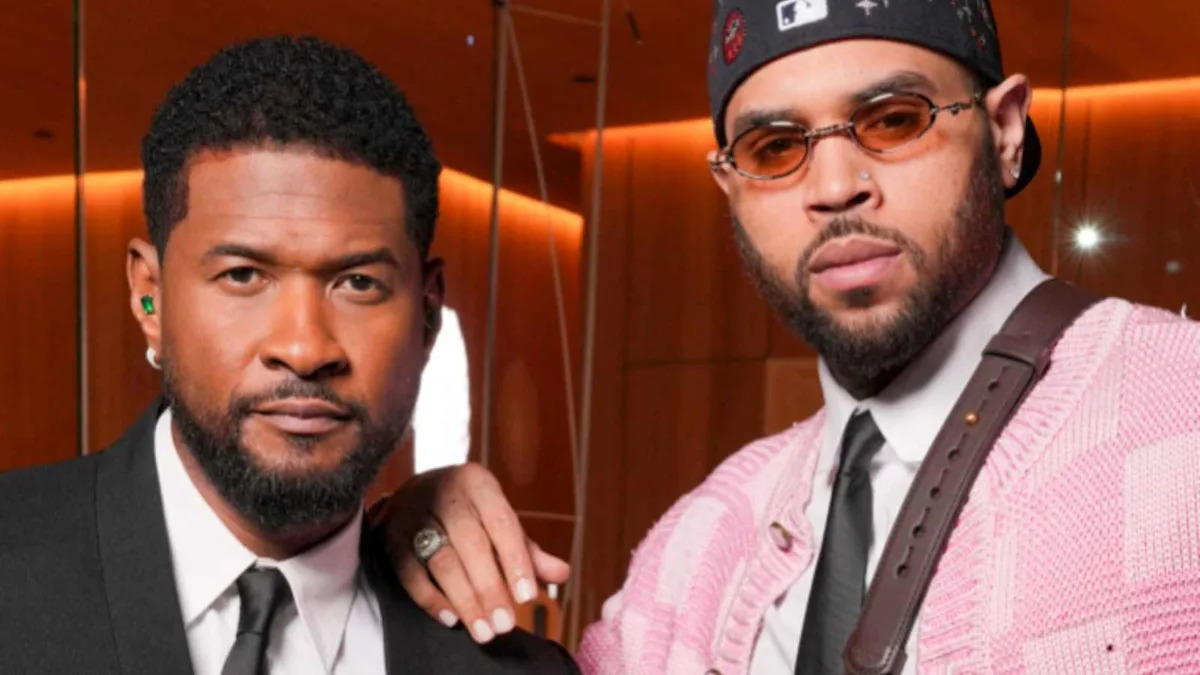
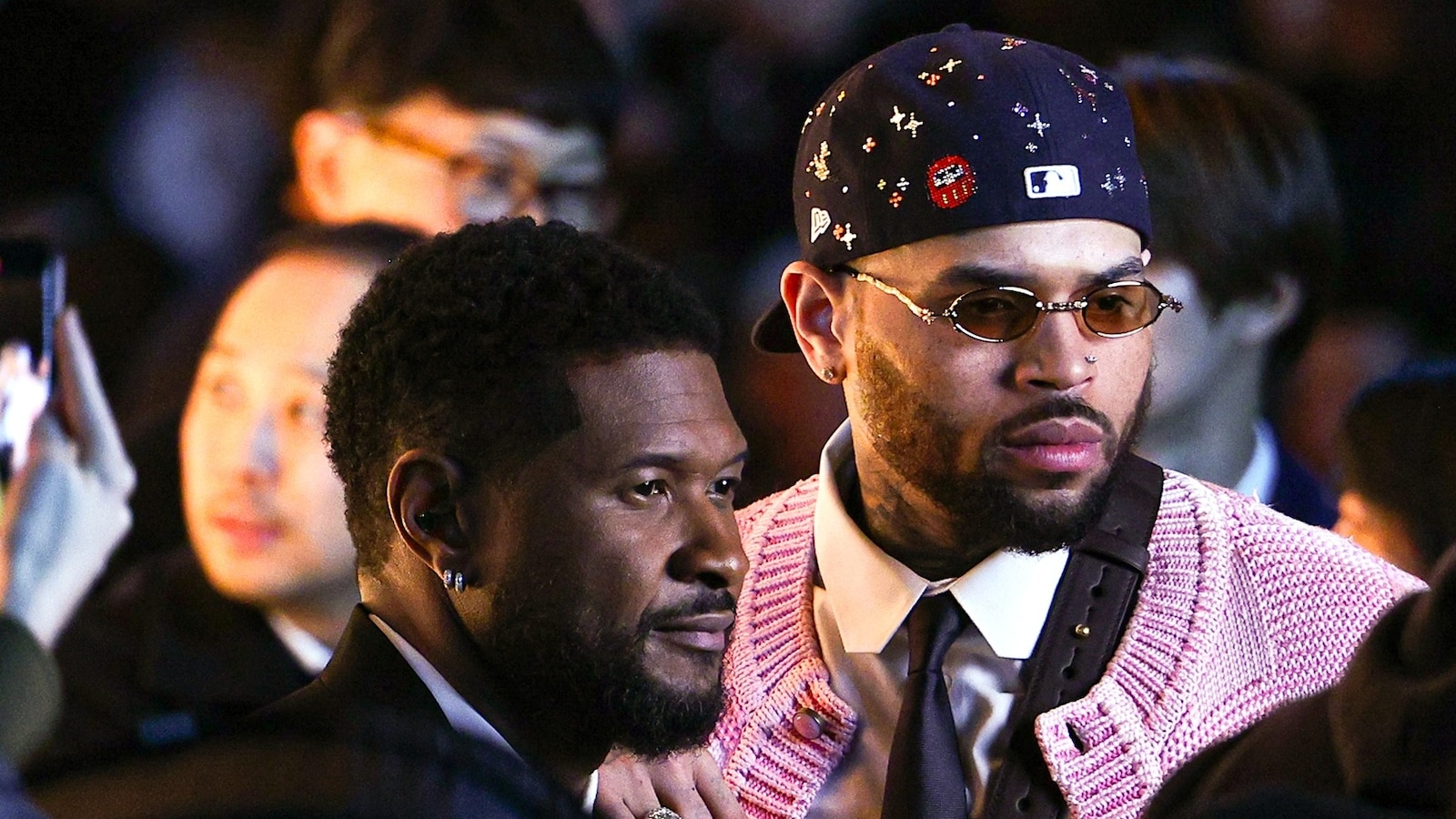
The announcement of the ‘Raymond & Brown’ tour, featuring Usher Raymond IV and Chris Brown, marks a calculated alignment of two high-equity brands within contemporary R&B. By merging these catalogs, the artists are consolidating market share across generational segments that have historically been fragmented by the genre’s rapid evolution.
This collaboration transcends a traditional co-headlining structure, functioning instead as an integrated institutional venture. By centering the brand on their surnames, the artists elevate the tour from a promotional cycle to a definitive cultural event designed to capture multi-generational demand.
Operational Efficiencies and Risk Mitigation
Logistically, the tour relies on a synchronized infrastructure that leverages economies of scale in venue procurement and production assets. The adoption of cinematic digital content, such as their motorcycle-themed promotional media, allows the artists to bypass legacy gatekeepers, driving direct consumer engagement and optimizing marketing spend.
By pooling resources, the artists effectively mitigate the overhead risks inherent in solo stadium-level productions. This collaborative model creates a centralized financial ecosystem, enhancing the potential ROI for stakeholders and creating a robust buffer against the volatility typical of post-pandemic live entertainment.
Competitive Positioning and Market Dominance
The transition from a speculative, competitive ‘Verzuz-style’ narrative to a collaborative model indicates a shift in how legacy artists manage brand equity. Rather than competing for finite market segments, this alliance creates a barrier to entry for smaller acts by synthesizing the 2000s and 2010s R&B eras into a singular, premium-priced offering.
This unified demand pool enables sophisticated dynamic pricing strategies and high sell-through projections in major urban centers, solidifying the genre’s defense against emerging, trend-driven musical movements that typically threaten long-term revenue stability.
Legacy Preservation and Commercial Continuity
The tour underscores the sustained profitability of R&B as a cornerstone of live performance. By integrating collaborative tracks like ‘New Flame’ and ‘Party,’ the tour provides a cohesive narrative bridge that justifies high price points. This strategy reinforces the viability of legacy artists to command large-scale venues, transforming historical performance success into long-term commercial consistency.
Economic Projections and Future Industry Trends
While specific routing details are forthcoming, the tour is expected to catalyze secondary market activity and drive regional economic demand in hospitality sectors. The success of the ‘Raymond & Brown’ model will likely serve as a benchmark for future collaborative tours, as industry stakeholders look for ways to de-risk high-production events.
Ultimately, the ability to synthesize two distinct artistic identities into one cohesive, high-revenue product confirms that legacy-focused branding remains the most effective strategy for maintaining dominance in an increasingly fragmented global music market.