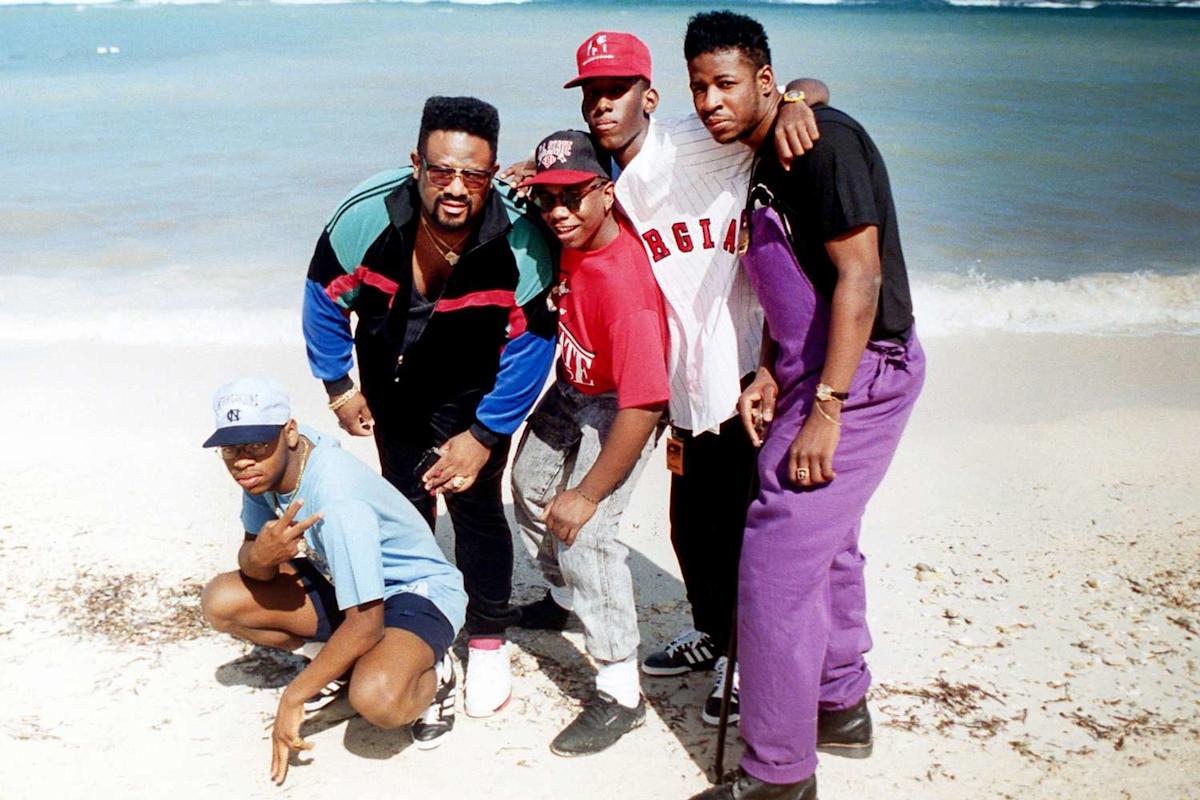
Early Career Trauma and Industry Realities
The nascent stages of Boyz II Men’s career were irrevocably altered by the 1992 shooting death of their tour manager, Khalil Rountree. This tragedy occurred during their opening slot on MC Hammer’s ‘2 Legit 2 Quit’ tour, a period of significant professional ascent for the group. The incident served as a brutal introduction to the volatile realities that can intersect with the burgeoning success of young artists, forcing a premature maturation and a stark re-evaluation of their burgeoning fame.
The tour’s Chicago stop became the site of this fatal event, underscoring the inherent risks associated with large-scale music productions and the extensive travel required. For a group still navigating the complexities of stardom, the loss of a key team member introduced a critical, albeit devastating, lesson in operational vulnerability and personal security, fundamentally shifting their perspective.
Strategic Personnel Decisions and Team Dynamics
Khalil Rountree joined Boyz II Men through the guidance of Mike Bivens, a pivotal figure in assembling the group’s initial operational team. Described as a commanding presence, Rountree’s role as tour manager encompassed crucial logistical oversight, financial management, and ensuring the safety and well-being of the artists and crew. His loss highlighted the vital importance of a cohesive and secure support structure in the high-stakes environment of professional music touring.
The reliance on established industry figures like Mike Bivens for personnel selection underscores the interconnectedness of the music business and the critical need for trusted advisors. Rountree’s death necessitated immediate operational adjustments and a thorough re-evaluation of team composition and security protocols, revealing the fragility of even seemingly robust support systems.
Impact on Group’s Perspective and Operational Strategy
Members Wanyá Morris and Shawn Stockman, alongside assistant tour manager Qadree El-Amin, have candidly reflected on the profound impact of Rountree’s death. This event forced a premature confrontation with mortality, shifting the group’s focus from the exhilaration of success to the sobering realities of the world beyond the stage. The experience undeniably influenced their approach to touring and instilled a heightened awareness of the potential dangers and the necessity for robust safety measures, shaping their long-term operational strategies and personnel vetting.
This early exposure to tragedy forged a deeper understanding of risk management and the indispensable value of a reliable, secure operational framework, fundamentally influencing how they navigated their subsequent career.
The Broader Context of 1990s Music Touring
The 1990s music scene, characterized by massive arena tours, presented unique logistical challenges and immense opportunities. The success of artists like MC Hammer and the rapid rise of groups like Boyz II Men necessitated significant undertakings, including extensive travel, large crews, and substantial financial investments. The industry was driven by a pursuit of maximum exposure and revenue, often pushing operational boundaries and amplifying inherent risks.
Within this context, the tour manager’s role was paramount, serving as the linchpin for all on-the-ground operations. The vulnerability of such key personnel to external threats, as tragically demonstrated, exposed a systemic risk amplified by the industry’s rapid expansion and the intense demands placed upon touring entities.
Operational Resilience and Performance Leverage
The narrative surrounding Boyz II Men’s early tour manager’s death powerfully illustrates the critical need for operational resilience in any high-pressure industry. The group’s ability to continue their career trajectory after such a profound loss speaks to their underlying strength and the effectiveness of their remaining team in adapting to unforeseen crises. This resilience functions as performance leverage; the capacity to absorb shock and maintain forward momentum is a key indicator of an organization’s long-term viability and its ability to withstand adversity.
This experience, while tragic, likely forged a stronger, more cohesive unit, better prepared for future challenges and solidifying their resolve in the face of industry pressures.
The Role of Support Staff in Artist Development
The incident involving Khalil Rountree critically emphasizes the often-underestimated importance of support staff in the development and sustainability of artistic careers. Tour managers, road crews, and other operational personnel are integral components of an artist’s ecosystem, directly impacting their ability to perform and thrive. The investment in experienced and trustworthy personnel is a strategic decision that mitigates risk and optimizes performance, and the loss of such a figure can disrupt not only operations but also the psychological well-being and creative focus of the artists.
This highlights the human element as a central, often unpredictable, factor in the calculus of success and survival in these demanding industries.
Media Portrayal and Public Perception
The recounting of this event in documentaries like ‘Boy Band Confidential’ signifies the enduring impact of such incidents on an artist’s narrative and public perception. These narratives serve to humanize artists, revealing the personal struggles and formative experiences that shape their careers and public image. The media’s role in framing these stories is crucial, influencing how audiences understand the pressures and realities of the entertainment industry, contributing to a broader understanding of the sacrifices and adversities faced by performers.
Financial and Capital Implications of Touring
Large-scale music tours represent significant capital investments, encompassing production costs, artist and crew salaries, marketing, and logistical expenses. Financial success hinges on meticulous planning, efficient execution, and the ability to navigate unforeseen disruptions. The death of a tour manager, beyond the profound human tragedy, carries potential financial repercussions, including costs associated with replacing personnel, potential tour delays or cancellations, and insurance liabilities, serving as a stark reminder of the financial risks embedded within the industry’s operational complexities.
Competitive Landscape and Industry Positioning
In the competitive 1990s music industry, establishing a strong touring presence was crucial for artists seeking to build a fanbase and generate revenue. Boyz II Men’s early association with MC Hammer provided invaluable exposure and positioned them within a significant market segment. However, such high-profile tours also placed them under intense scrutiny and demanded a high level of operational readiness. Maintaining stability and professionalism amidst personal tragedy was a critical factor in solidifying their industry position and demonstrating their capacity for sustained success.
The Evolution of Artist Management and Security
The tragic events of 1992 likely contributed to an evolution in how artist management and security protocols were approached within the music industry. The realization that personal safety and operational integrity were paramount, even amidst success, prompted a re-evaluation of best practices. This includes more rigorous vetting of personnel, enhanced security measures during travel and performances, and the development of comprehensive crisis management plans, driving improvements in industry standards and artist welfare through hard-learned lessons.
Legacy and Enduring Impact
The memory of Khalil Rountree’s death continues to resonate within the narrative of Boyz II Men’s career, serving as a poignant reminder of the human cost associated with the pursuit of artistic and commercial success in the demanding world of entertainment. The group’s ability to overcome this adversity and continue their legacy speaks volumes about their resilience and the enduring power of their music. The story remains a significant, albeit somber, chapter in their journey, shaping their understanding of the industry and their enduring place within it.