Verdict Summary
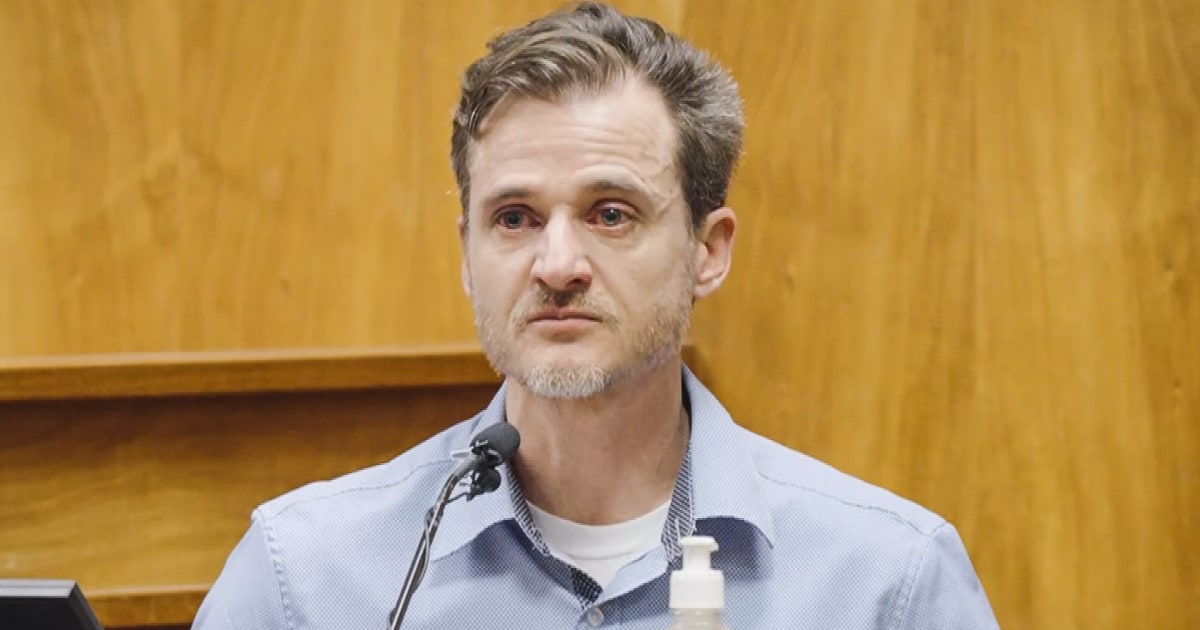
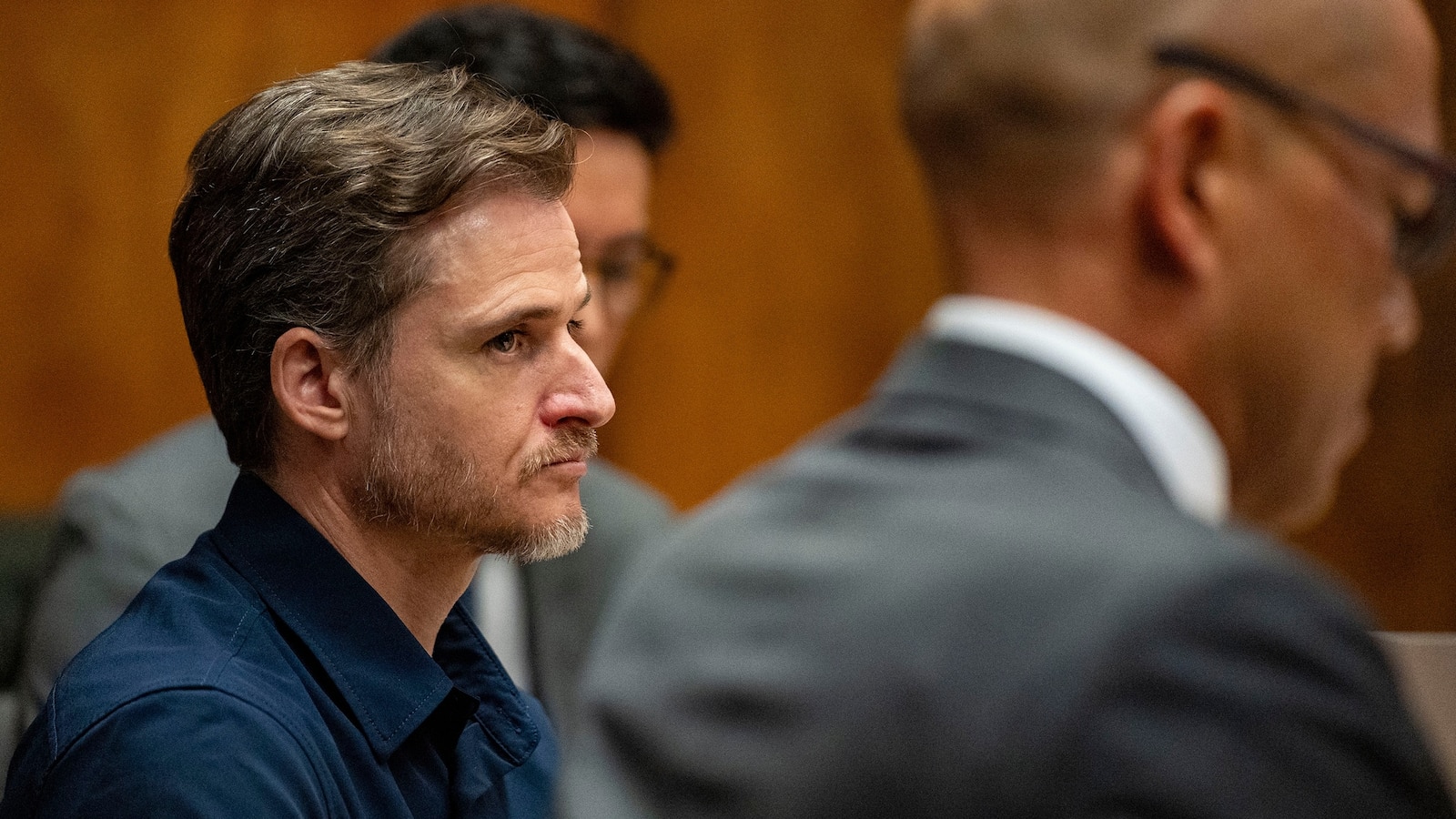
A Honolulu jury has found Dr. Gerhardt Konig, a 47-year-old Maui anesthesiologist, guilty of attempted manslaughter. By invoking the criteria of ‘extreme mental or emotional disturbance,’ the jury effectively downgraded the charge from the prosecution’s request for second-degree attempted murder. The verdict follows two days of deliberation and a three-week trial scrutinizing the March 24, 2025, incident.
Evidentiary Conflicts and Defense Strategy
The trial examined a violent encounter on the Pali Puka Trail between the defendant and his wife, Arielle Konig. Prosecutors contended the attack was premeditated, alleging Konig attempted to push the victim from a cliff before utilizing a syringe and a rock as weapons, fueled by professional and personal instability. Conversely, the defense argued the confrontation was an act of self-defense, claiming Arielle Konig initiated the physical struggle and struck the defendant with a rock, compelling his reactive response.
Judicial and Sentencing Parameters
The jury’s selection of attempted manslaughter—one of five counts deliberated—indicates that while the panel affirmed the occurrence of violence, they found insufficient evidence to prove the intent required for an attempted murder conviction. With the guilty verdict, Konig faces a maximum penalty of 20 years in prison. The court has scheduled the formal sentencing hearing for August 13, 2025, where the presiding judge will evaluate the mitigating factor of emotional disturbance against the physical evidence presented.
Institutional and Professional Repercussions
The conviction carries profound implications for the defendant’s career within the medical field. Beyond immediate incarceration, the finding necessitates a rigorous administrative review by medical licensing boards. The resolution of this case transitions from a fact-finding mission by the jury to a penal determination by the court, closing a high-profile inquiry into the private disputes of a public-facing medical professional.
Procedural Scope
This verdict is limited to the criminal charges adjudicated in the Honolulu Circuit Court and does not preclude future civil litigation or secondary administrative actions. The trial’s reliance on third-party witness testimony and digital evidence, such as body camera footage, served to clarify a disputed timeline, though the legal outcome remains contingent upon the court’s final sentencing order.