Fiji Cruise Grounding: Operational Lapses, Environmental Imperatives, and Economic Repercussions
A recent maritime incident involving the Blue Lagoon Cruises vessel, Fiji Princess, running aground near Monuriki Island in Fiji, has initiated a comprehensive, multi-faceted response from regulatory bodies and the vessel operator. The grounding, occurring on a Saturday, necessitated the swift and safe evacuation of all 30 passengers and 17 of the 31 crew members, with no injuries reported. This rapid and successful evacuation underscores the critical efficacy of onboard emergency protocols, yet simultaneously highlights systemic vulnerabilities that warrant deeper operational and environmental scrutiny.
Operational Failures and Technical Damage Analysis
Initial assessments by the Maritime Safety Authority of Fiji (MSAF) revealed significant structural and mechanical damage to the Fiji Princess. The vessel sustained serious damage to its rear left side, impacting critical steering equipment, alongside extensive damage to its underside. Furthermore, the ship experienced engine failure and began taking on water post-grounding, indicating a severe compromise to its operational integrity and fundamental safety systems. These findings point to a complex and costly salvage operation, potentially escalating to a constructive total loss, depending on the economic viability of restoration.
Blue Lagoon Cruises attributed the grounding to a severe squall that reportedly caused the ship’s anchor to drag towards a nearby reef. This explanation, however, introduces a critical line of inquiry for investigators: the discrepancy between the company’s assertion of calm anchoring conditions and a subsequent severe squall demands rigorous scrutiny into the adequacy of anchoring procedures, the vessel’s weather monitoring capabilities, and the resilience of its mooring systems against sudden environmental shifts. The reported damage to the steering mechanism is particularly significant, implying a fundamental loss of directional control that, coupled with engine failure and water ingress, severely compounded the vessel’s ability to maneuver or maintain stability, escalating immediate risks and complicating salvage efforts. The MSAF’s inability to conduct an immediate underwater inspection due to adverse sea conditions further highlights the challenging operational environment, potentially prolonging salvage timelines and exacerbating the vessel’s condition.
Environmental Risk Mitigation and Regulatory Response Framework
A paramount concern following the grounding was the potential for environmental contamination, given the vessel was carrying approximately 20,000 liters of diesel fuel. Recognizing the ecological fragility of the surrounding reef system, the Maritime Safety Authority of Fiji swiftly prioritized pollution risk reduction. The rapid mobilization to remove pumpable fuel and other oils from the ship by Monday, as confirmed by Blue Lagoon Cruises, demonstrates a critical, coordinated effort aligned with international conventions like MARPOL (International Convention for the Prevention of Pollution from Ships). This proactive measure is central to minimizing the long-term environmental footprint of such incidents, particularly in pristine marine habitats like those found in Fiji, an imperative reinforced by the nation’s role as a premier eco-tourism destination.
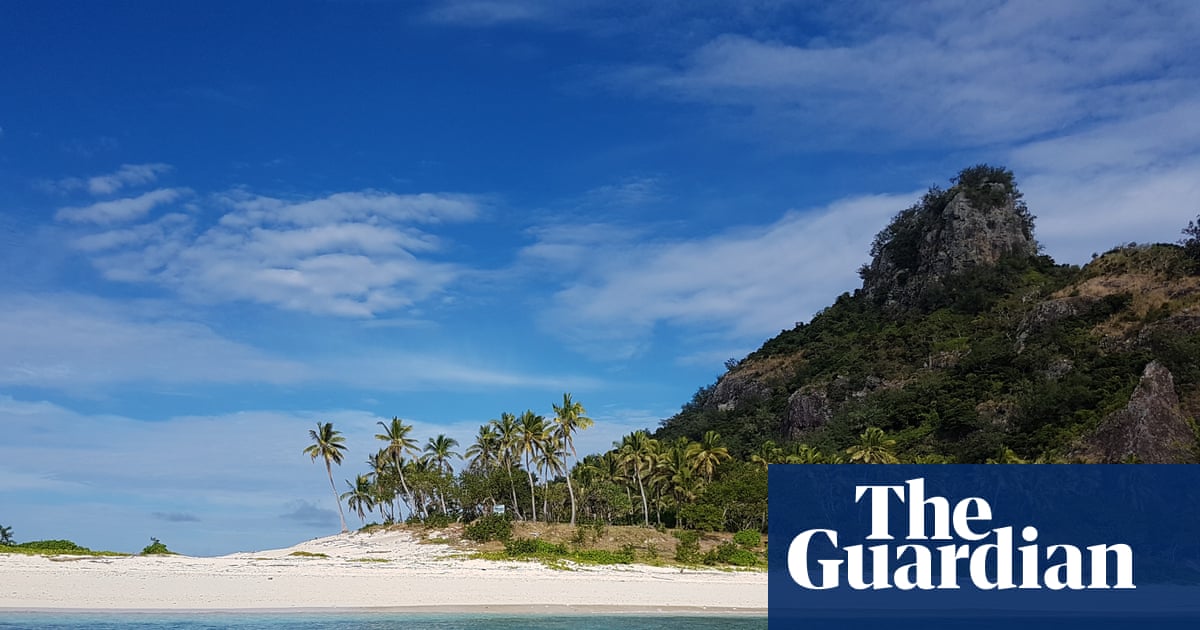
The presence of an international salvage specialist from Australia since Sunday further underscores the globalized nature of specialized maritime emergency response and the requirement for highly trained personnel and equipment to prevent secondary spills. While the successful removal of a significant portion of the onboard fuel mitigates the immediate threat of a major oil spill, the long-term impact on the reef from the physical grounding itself, and any residual pollutants, necessitates ongoing monitoring. This incident, near the uninhabited Monuriki Island – famously depicted in ‘Cast Away’ – amplifies public and media scrutiny, elevating the reputational stakes for both the cruise operator and Fiji’s tourism brand. It serves as a stark reminder of the constant vigilance required in maritime operations within delicate ecosystems.
Financial and Strategic Implications for Blue Lagoon Cruises and Fiji Tourism
The grounding of the MV Fiji Princess presents a substantial financial and strategic challenge for Blue Lagoon Cruises, a key Fiji-based tourism company. The loss of this 55.52-meter operational asset directly impacts the company’s capacity, revenue generation, and market positioning. Beyond the immediate costs of salvage and potential repairs, the company faces significant business interruption losses from canceled cruises and reduced fleet availability. These financial pressures extend to complex insurance claims, covering hull and machinery damage, alongside potential liabilities under Protection & Indemnity (P&I) coverage for pollution and third-party claims. The deployment of international salvage specialists, coupled with the intricate logistics of recovering a damaged vessel in a remote location, will exert considerable financial strain, invariably leading to increased premiums and more stringent underwriting requirements in the future.
Equally critical is the incident’s impact on Blue Lagoon Cruises’ brand reputation within the highly competitive regional tourism market. While the company’s swift action in passenger evacuation and environmental risk mitigation is commendable, such an event can foster a perception of increased risk among potential customers, affecting future bookings and market share. Strategic responses will necessitate a thorough internal review of operational procedures, crew training, and vessel maintenance schedules to reinforce safety standards and demonstrate an unequivocal commitment to safety and environmental stewardship. For a regional operator, the incapacitation of a flagship vessel can profoundly alter its operational footprint, potentially requiring expensive chartering of replacement vessels or adjusting tour schedules, impacting customer experience and creating opportunities for competitors.
Broader Industry and Regulatory Context for Sustainable Maritime Tourism
This incident resonates deeply across the broader cruise and maritime tourism industry, particularly for operators navigating environmentally sensitive areas globally. It emphatically underscores the continuous need for investment in advanced navigational aids, sophisticated weather forecasting systems, and rigorous, scenario-based crew training in emergency response and anchoring procedures. Regulatory bodies worldwide, including MSAF, are poised to leverage such incidents to review and potentially enhance existing safety regulations and enforcement mechanisms, potentially catalyzing stricter mandates regarding vessel design, operational limits, and environmental protection protocols for similar vessels operating in vulnerable marine ecosystems.
The reliance on international salvage expertise highlights the globalized nature of maritime incident response and the specialized skills required. This interconnectedness means that lessons learned from incidents in one region are critical for informing best practices and regulatory adjustments across diverse maritime jurisdictions, fostering a collective improvement in global safety standards. Furthermore, the grounding draws critical attention to the delicate balance between promoting tourism in pristine natural environments and the inherent operational risks. It reinforces the imperative for cruise lines to adopt sustainable practices and invest in technologies that minimize their ecological footprint, proactively addressing the challenges of responsible maritime tourism. The investigation’s outcome, involving detailed analysis of voyage data recorders, crew statements, and technical assessments, will be instrumental in determining accountability and providing invaluable insights for preventing future occurrences, thereby strengthening the overall safety framework for passenger vessels operating in similar conditions. Ultimately, the Fiji Princess grounding serves as a potent case study in crisis management, environmental resilience, and the enduring challenges of maritime safety, offering critical lessons for operators, regulators, and insurers navigating the complexities of modern cruise tourism in a world increasingly focused on sustainability and risk mitigation.