Kinetic Weaponization of the Persian Gulf Energy Corridor
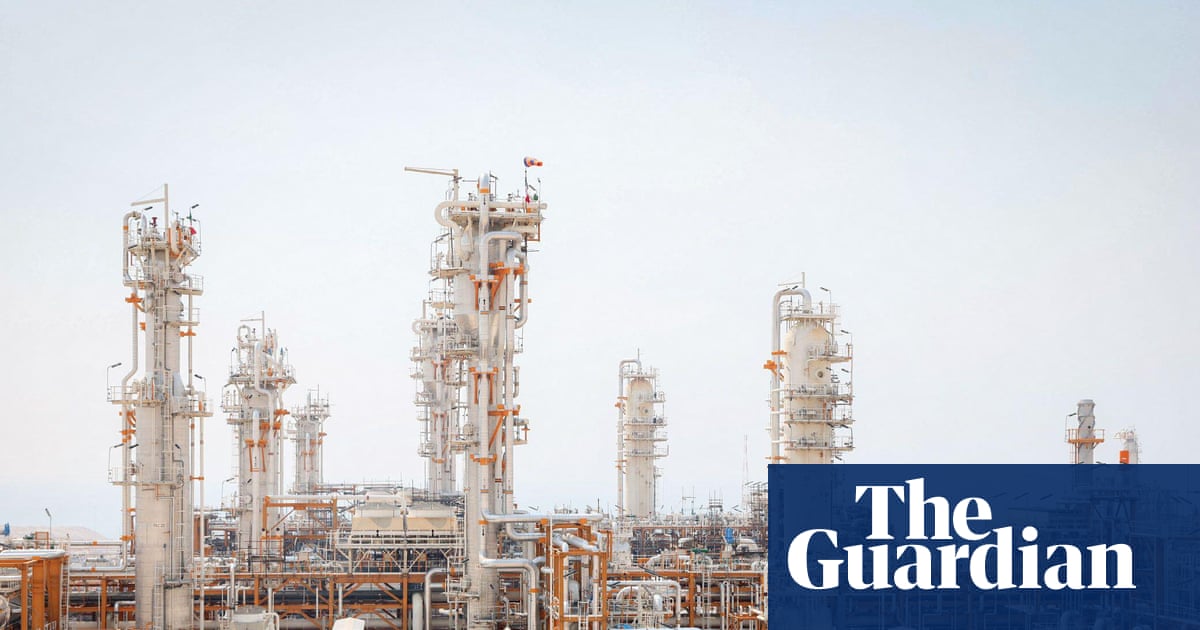
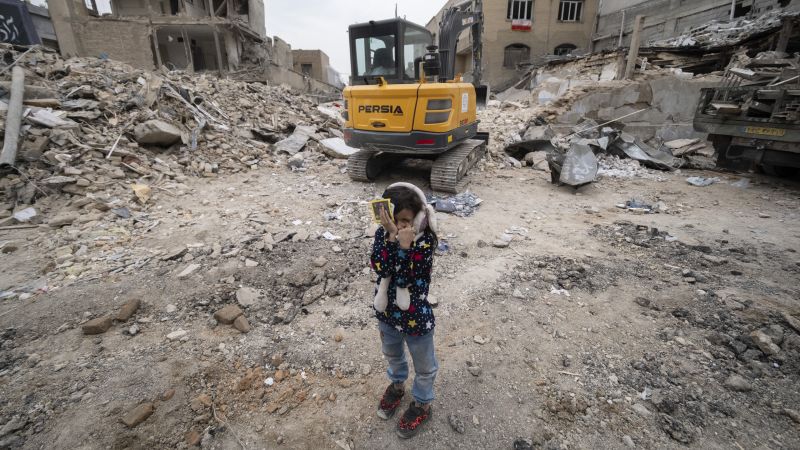
The targeted missile strikes on Qatar’s Ras Laffan Industrial City represent a fundamental transition from localized proxy friction to the direct weaponization of global energy infrastructure. By targeting the world’s primary liquefied natural gas (LNG) export nexus twice within a 12-hour window, Tehran has signaled a doctrine of economic erasure to counter Israeli military pressure. This bombardment forces an immediate reassessment of sovereign risk for stakeholders in the North Field-South Pars geological complex, moving Qatar from a neutral intermediary to a direct casualty of the regional kinetic exchange.
Qatar’s Foreign Ministry has characterized the extensive damage as a flagrant violation of sovereignty, providing the legal predicate for a shift toward Western kinetic alignment. The Ras Laffan complex serves as the singular artery for Doha’s fiscal solvency; its compromise suggests a systemic attempt to dismantle the economic architecture of the Gulf. While QatarEnergy has deployed emergency containment protocols to stabilize the facility, the structural compromise of the LNG trains has effectively frozen production, removing critical volumes from the global spot market and ending the era of Gulf infrastructure immunity.
The South Pars Ultimatum and Geological Interdependence
President Donald Trump’s threat to neutralize the South Pars gas field introduces a doctrine of infrastructure-based Mutual Assured Destruction (MAD). By targeting the Iranian sector of the world’s largest gas reservoir, the U.S. is leveraging Tehran’s primary economic engine as a deterrent ceiling. However, the internal administrative friction regarding the initial Israeli strike on the field reveals a high-stakes strategy of tactical ambiguity—publicly disavowing the strike while privately utilizing it as a lever to force the reopening of the Strait of Hormuz.
The threat to destroy South Pars carries catastrophic technical risks due to the field’s shared geological unit with Qatar’s North Field. Destruction of the Iranian sector risks irreversible pressure loss and cross-border environmental contamination, potentially degrading the very resource the U.S. intends to protect. This interconnectedness creates a paradoxical security dilemma where kinetic retaliation against Iran could result in the long-term sterilization of Qatari energy assets.
Regional Contagion and Market Volatility
The conflict’s geographic expansion is evidenced by the UAE’s emergency shutdown of the Habshan and Bab facilities following missile debris impacts. Simultaneously, Saudi Arabia’s interception of drone swarms underscores a coordinated Iranian strategy to equalize economic pain across the Arab Gulf. These events have driven Brent crude over $111 and WTI past $100, as markets price in a sustained disruption of the Strait of Hormuz and a permanent hike in regional insurance premiums.
The institutional response—a joint declaration by 12 Arab and Islamic foreign ministers—signals a growing consensus that the era of localized containment has ended. As global energy security transitions from a commercial concern to a frontline military priority, the failure of existing missile defense systems to protect high-value targets like Ras Laffan suggests a technological gap that Iran is currently exploiting. The resulting capital flight toward non-Middle Eastern energy assets reflects a diminishing confidence in the region’s status as a stable energy provider.