Strategic Escalation Targets Iranian Energy Infrastructure
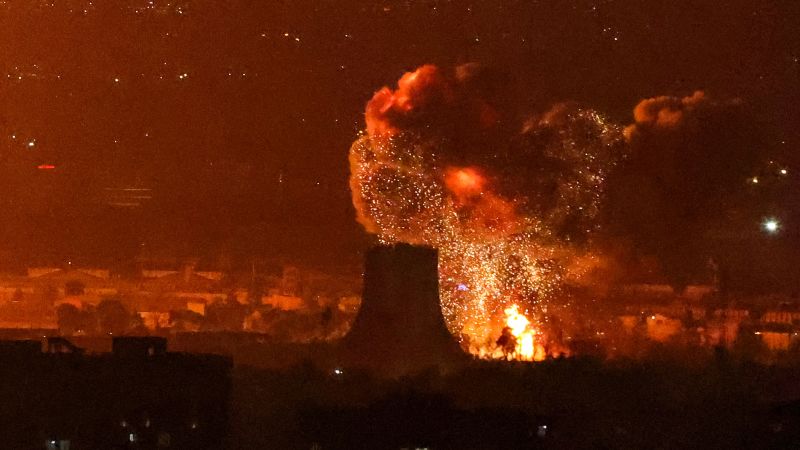
The conflict between the United States, Israel, and Iran has entered a decisive new phase, characterized by direct targeting of Iranian energy infrastructure within Tehran. Airstrikes against oil storage depots and refining facilities represent a significant shift from previous military engagements. This targeting strategy aims to degrade Iran’s economic capacity and logistical support systems simultaneously, striking at the core of the state’s revenue generation and operational capabilities rather than just conventional military assets. The Israeli military confirmed hitting fuel sites in Tehran, specifying these facilities distribute fuel to various consumers, including military entities. This dual-use targeting strategy maximizes pressure on the Iranian regime by disrupting both military supply chains and the broader economy, creating immediate financial and logistical challenges for the government.
Leadership Crisis and Fragmented Command Structure
The escalation of external pressure coincides with significant internal instability within Iran. The death of Ayatollah Ali Khamenei in the conflict’s opening salvo created a leadership vacuum that has exposed deep divisions within the ruling establishment. Conflicting statements from Iranian officials underscore a lack of unified command and control, particularly regarding retaliatory actions. While President Masoud Pezeshkian apologized for previous attacks on Gulf nations and suggested an end to retaliatory strikes, these attacks continued. This discrepancy highlights the limited authority exercised by the formal government over the paramilitary Revolutionary Guard (IRGC), which controls the ballistic missiles targeting regional adversaries. The IRGC’s autonomy complicates diplomatic efforts and demonstrates a fragmented command structure, making it difficult for external actors to predict or control Iran’s military responses and complicating the selection of a new supreme leader by the Assembly of Experts during active conflict.
US Demands and Geopolitical Constraints
Amid the escalation, US President Donald Trump reiterated demands for Iran’s unconditional surrender, establishing a zero-sum framework for conflict resolution. Trump stated that the war would only conclude when Tehran’s leaders either “cry uncle” or their military is rendered “no longer functional.” This strategic objective suggests a goal of complete regime incapacitation rather than a negotiated settlement. Concurrently, Trump signaled a potential willingness to escalate further by stating American ground troops could “possibly” be sent to Iran if there was a “very good reason.” However, this willingness to escalate is tempered by geopolitical constraints; the US explicitly ruled out involving Kurdish fighters, stating that the war was “complicated enough without having … the Kurds involved.” This decision prioritizes strategic simplicity and regional balancing over maximizing immediate military advantage, likely to avoid complications with Turkey and other regional actors.
Regional Security Implications and Reputational Risk
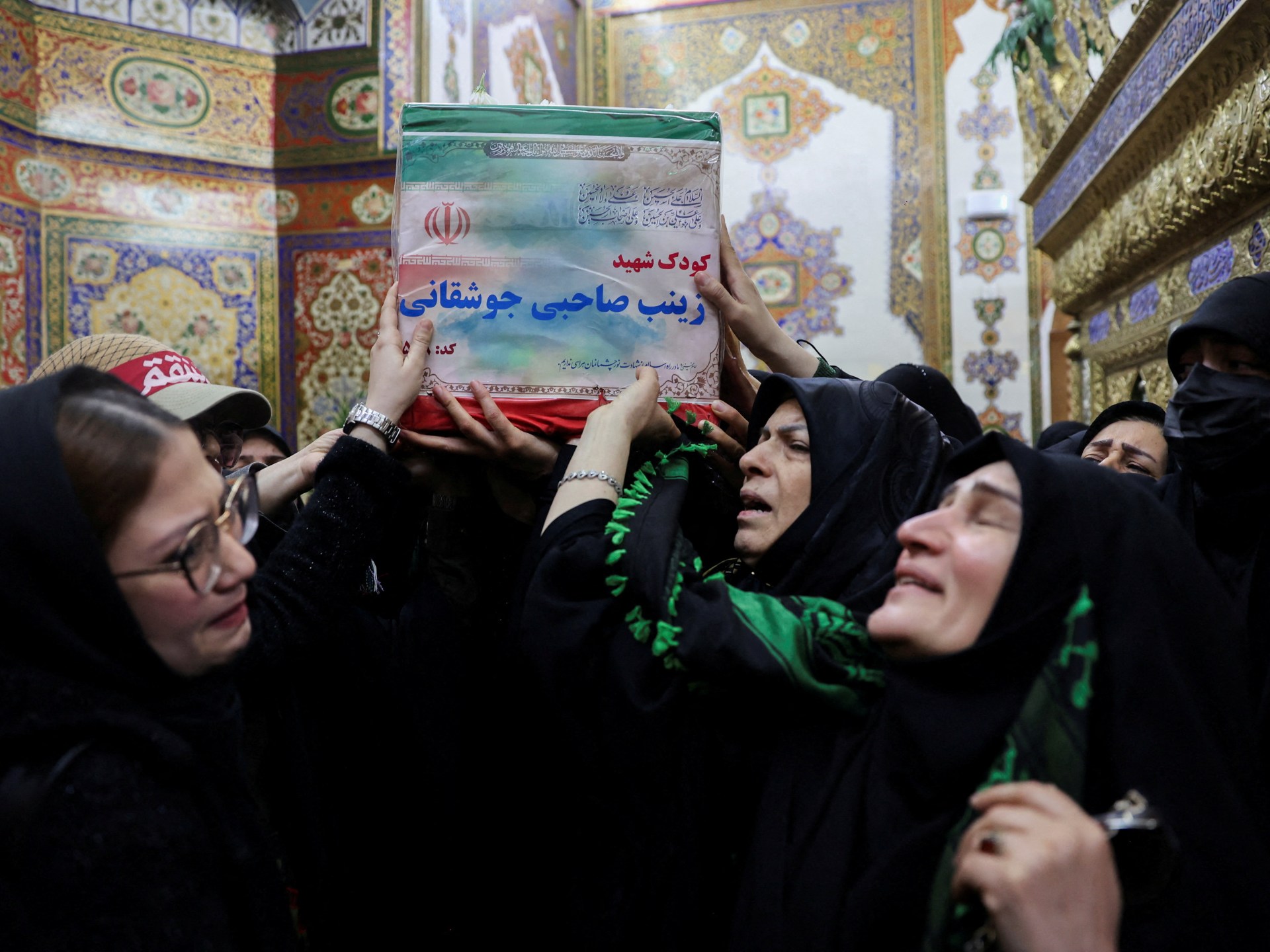
The continuation of Iranian retaliatory strikes against US-friendly Gulf nations exposes the region to heightened risk. Kuwait, Saudi Arabia, Qatar, Bahrain, and the United Arab Emirates reported intercepting missiles and drones originating from Iran. This pattern underscores the vulnerability of US allies and increases regional instability, placing significant pressure on these nations to balance support for US policy with their own security concerns. Furthermore, the conflict’s humanitarian impact has introduced significant reputational risk for the US and Israel. Evidence suggests that a deadly blast at an Iranian elementary school on February 28 was likely caused by a US airstrike, producing the highest reported civilian casualty count in the conflict to date. Such incidents create a significant narrative vulnerability for the US and Israel, potentially eroding domestic support for the war and complicating diplomatic efforts as international condemnation rises.