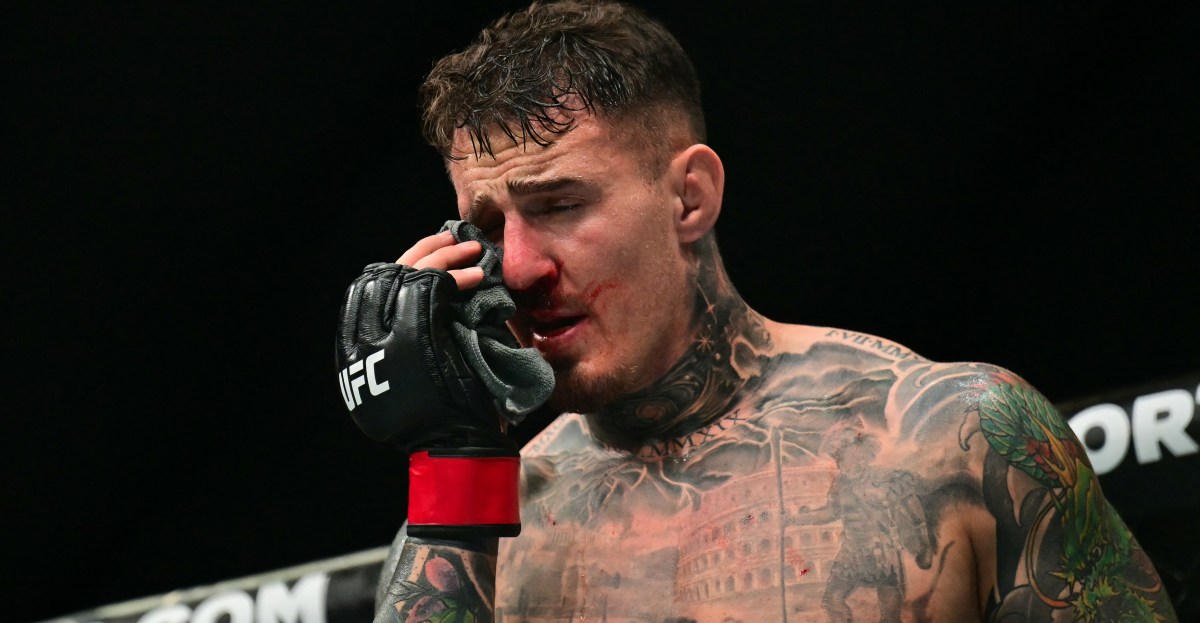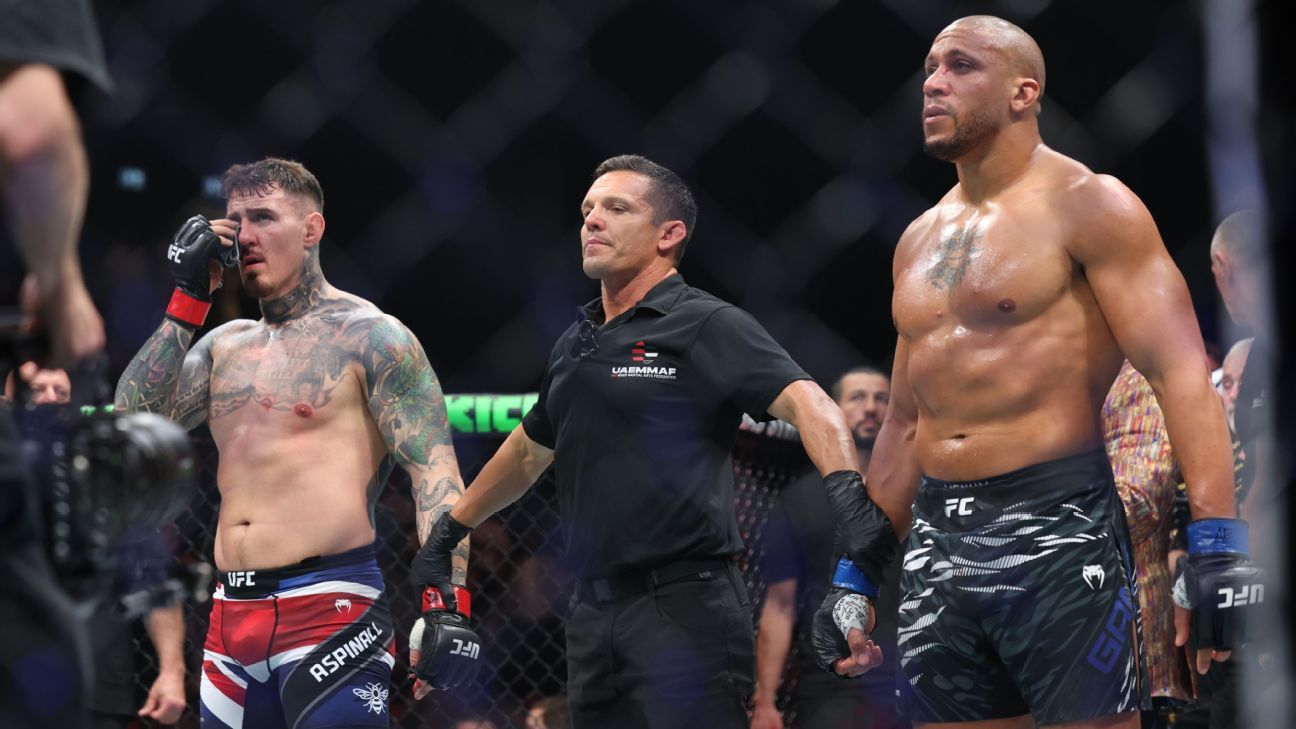
The Systemic Disruption of the UFC 321 No Contest
The heavyweight division’s competitive architecture entered a phase of forced stagnation following the inconclusive resolution of UFC 321. The No Contest ruling in the Aspinall-Gane title defense—precipitated by an accidental ocular injury—did more than pause a championship lineage; it neutralized the promotional velocity of the division’s most active titleholder. This outcome generated a ranking vacuum, preventing a definitive resolution between the undisputed champion and the upper tier of the bracket.
For the UFC, this result represents a failure in broadcast utility and matchmaking clarity. The absence of a definitive victor effectively froze the championship hierarchy, allowing external contenders to build competitive leverage while the title remained in a state of operational limbo. This structural delay has forced a recalibration of fiscal projections for the heavyweight class, which traditionally serves as a primary anchor for pay-per-view revenue.
Institutional Rhetoric vs. Athlete Brand Equity
The fallout highlighted a growing rift between the UFC’s executive leadership and its heavyweight champion. Dana White’s public skepticism regarding Aspinall’s withdrawal introduced a narrative of psychological fragility, a tactical rhetorical device often used to shift the burden of a failed main event from the organization to the individual athlete. This institutional delegitimization directly challenges Aspinall’s professional reputation and future contract leverage.
Aspinall’s admission of diminished confidence underscores the impact of these public critiques on an athlete’s brand equity. When a promoter publicly questions a champion’s resolve, it erodes the aura of invincibility essential for marketing high-stakes bouts. This friction suggests a breakdown in the alignment between the promotion’s need for constant content and the athlete’s medical and psychological reality.
Strategic Management: The Hearn Partnership as a Power Shift
Aspinall’s alignment with Eddie Hearn signals a calculated evolution in MMA athlete positioning. By partnering with a figure synonymous with global boxing promotion, Aspinall is externalizing his brand management to a team operating outside the UFC’s immediate sphere of influence. This move is designed to diversify his support structure and ensure his career narrative is not exclusively dictated by the promotion’s internal media apparatus.
This management shift focuses on psychological rehabilitation and media positioning, countering the negative perceptions introduced post-UFC 321. Hearn’s involvement suggests a more professionalized approach to championship maintenance, prioritizing long-term marketability and independent representation. This strategic pivot provides Aspinall with greater leverage in a landscape where superfights often supersede divisional integrity.
Ocular Trauma and Operational Risk Assessment
The clinical severity of Aspinall’s injury—requiring multiple surgical interventions—highlights the significant operational risk of ocular trauma in combat sports. While often dismissed as minor infractions, eye pokes can result in structural damage that threatens career longevity. For a high-level striker, any deficit in depth perception or visual acuity fundamentally alters defensive capabilities and timing.
The UFC’s matchmaking and medical teams must now account for potential performance degradation. The prolonged recovery period reflects the caution required when dealing with sensory inputs vital to elite competition. Aspinall’s return is not merely a question of physical fitness, but of regaining visual performance parity under the high-stress environment of live competition.
Divisional Realignment: The Jones-Pereira-Gane Conflict
The heavyweight landscape is currently undergoing a realignment driven by Alex Pereira’s potential move to the division. Pereira’s pursuit of a third divisional title introduces immediate pressure on the existing hierarchy, specifically threatening the relevance of the current titleholders. Rumors of a Jon Jones vs. Alex Pereira legacy fight represent a significant strategic hurdle for Aspinall.
If the UFC prioritizes a Jones-Pereira superfight for its commercial magnitude, Aspinall risks further marginalization. His “back to business” declaration is a tactical re-entry into this discourse, intended to force the promotion’s hand during the upcoming matchmaking cycle. The 2026 season will likely be defined by the tension between these high-value superfights and the necessity of maintaining a legitimate, merit-based championship structure.
Event Anchoring and the UFC White House Prospect
Aspinall’s return timeline appears synchronized with the anticipated UFC White House card, a cornerstone of the summer schedule. Positioning himself as a viable headliner for such a high-profile event is a strategic move to reclaim his status as a primary promotional draw. The final lineup for this event will reveal the UFC’s current valuation of Aspinall relative to other established stars.
A potential rematch with Gane would signal a desire to resolve the UFC 321 controversy, whereas a different opponent might indicate a shift in the division’s long-term trajectory. Aspinall’s proactive communication serves to reassure stakeholders that his recovery is complete, attempting to regain the narrative momentum lost during his injury-induced hiatus.
Institutional Integrity and the Value of Championship Titles
The current heavyweight logjam raises broader questions regarding the legitimacy of championship belts in an era dominated by marketability. When undisputed champions are bypassed for more commercial pairings, the inherent value of the title is diluted. The UFC must balance the immediate gains of a superfight against the long-term health of its divisional rankings.
Aspinall’s return serves as a test of the UFC’s ability to manage elite talent through periods of institutional and physical adversity. As the division moves toward 2026, the decisions made regarding Aspinall’s next booking will have lasting implications for the heavyweight legacy and the commercial future of the sport.