Strategic Power and Unwavering Resilience Define Japan’s WBC Dominance
Defending champions Japan have established a formidable presence in the World Baseball Classic (WBC) through a potent combination of offensive power, strategic depth, and remarkable resilience. Securing early victories, including a crucial 8-6 win against Korea, demonstrates a calculated approach to international competition where timely hitting and roster versatility are paramount for sustained success.
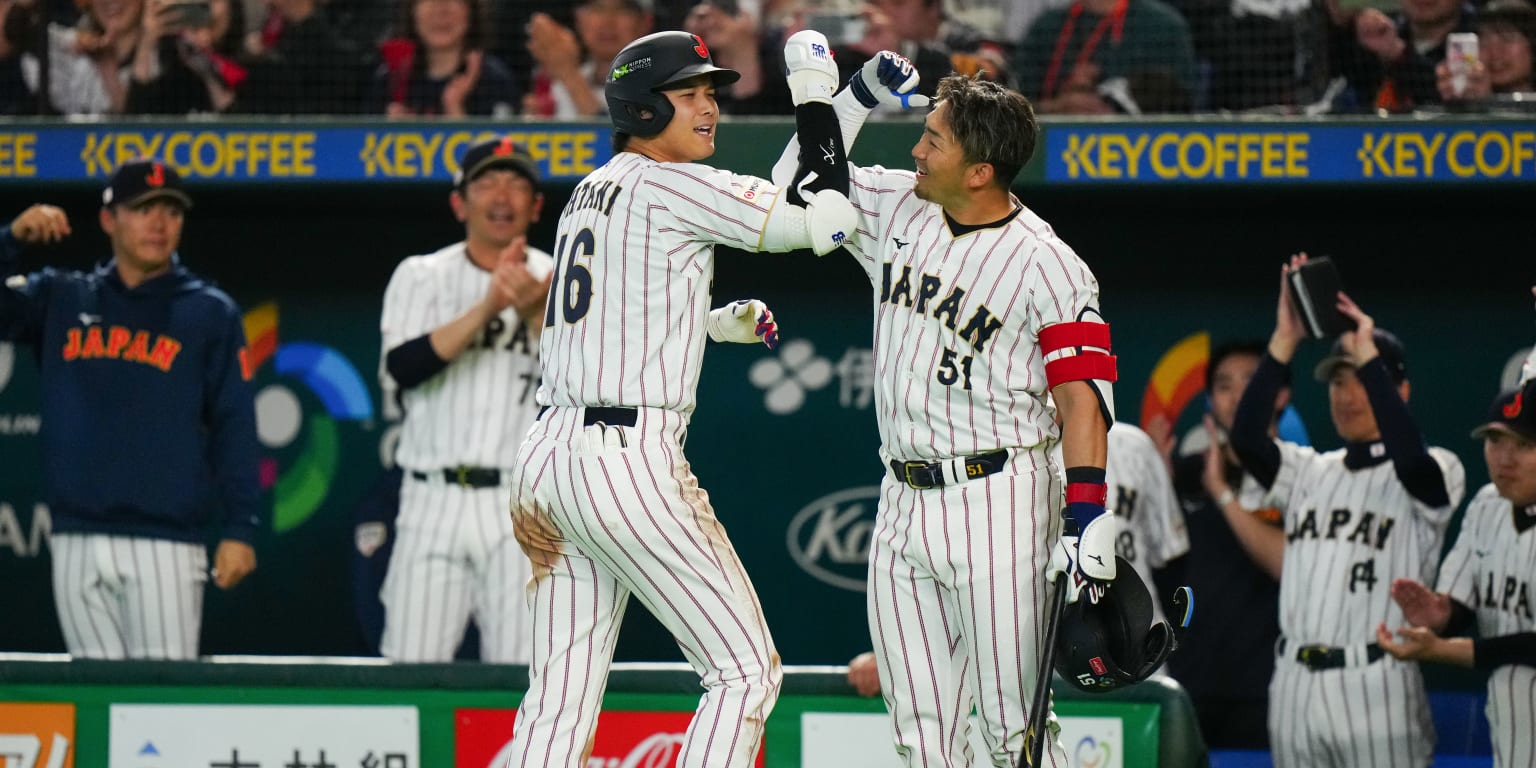
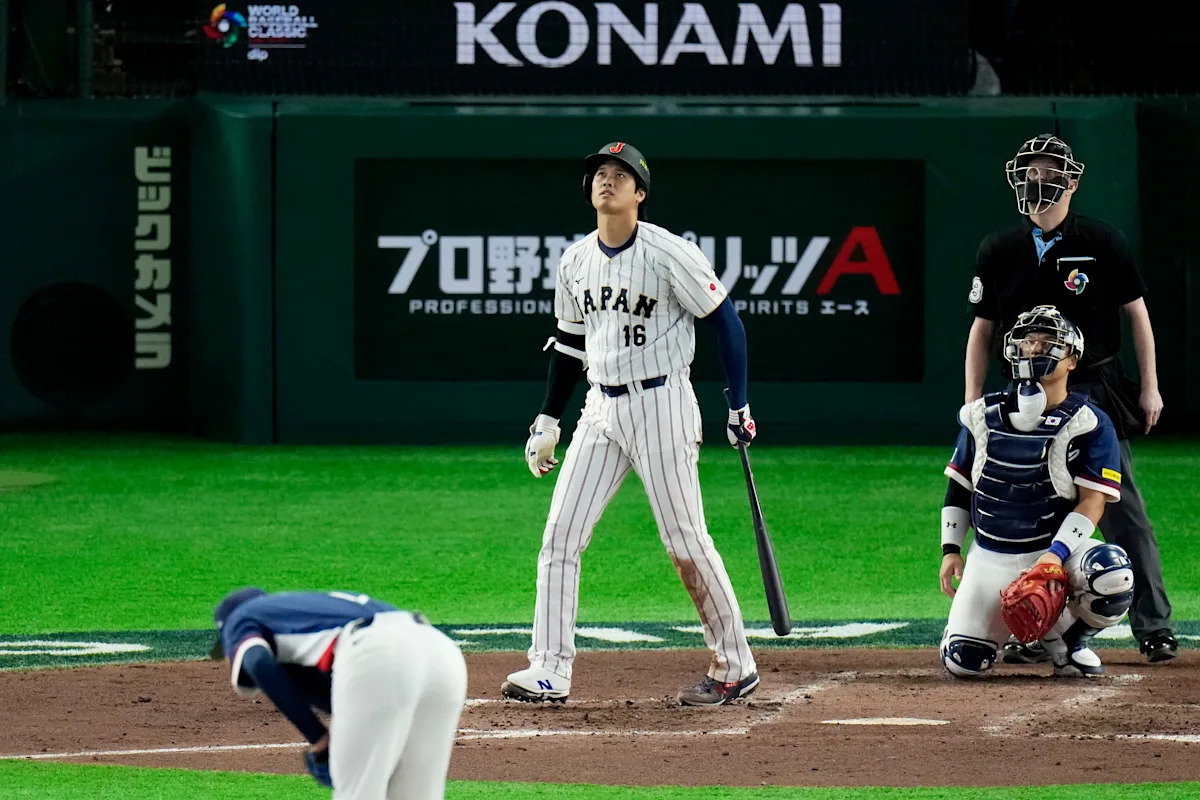
Japan’s offensive prowess was evident against Korea, where four home runs, two by Seiya Suzuki, showcased their capacity for explosive run production. This demonstrates a strategic advantage over relying solely on small ball, suggesting a deliberate exploitation of pitching vulnerabilities. The team’s ability to immediately erase deficits, exemplified by Suzuki’s first-inning, game-tying two-run homer, highlights strong psychological fortitude and precise tactical execution under pressure.
Shohei Ohtani’s continued offensive impact, including a game-tying homer against Korea following a prior grand slam, solidifies Japan’s lineup as one of the tournament’s most potent. His leadership transcends statistics; his post-tying-homer directive for teammates to remain calm underscores a mature team dynamic focused on consistent performance. The reunion of Hanamaki Higashi High School alumni Ohtani and pitcher Yusei Kikuchi adds a narrative layer of established chemistry and shared experience.
Seiya Suzuki’s impactful return, after missing the previous WBC title run, underscores his current value and the team’s strategic roster planning. His immediate influence in shifting momentum against Korea demonstrates how key player acquisitions and healthy returns can dramatically alter a team’s competitive trajectory. This highlights the critical importance of roster management and player availability in high-stakes international tournaments.
With a 2-0 start in Pool C, Japan is positioned as a frontrunner to advance to the quarterfinals. This early success, built on both power hitting and the ability to respond to adversity, sets a high benchmark for competitors. The upcoming match against Australia presents a critical test of their sustained dominance and strategic adaptability.
The World Baseball Classic, in its sixth iteration, serves as a significant platform for global baseball talent and national pride. As reigning champions, Japan’s performance carries added weight, especially after defeating the United States in the 2023 final. The tournament’s multi-venue pool play structure demands consistent performance and logistical efficiency.
The United States’ own campaign, marked by a decisive 15-5 victory over Brazil, highlights the depth of MLB talent participating. With numerous MLB All-Stars, the U.S. is a favored contender, underscored by the inclusion of prominent players like Paul Skenes and Aaron Judge, signaling MLB organizations’ commitment to the event.
The strategic implications of the WBC extend to player development and international relations within baseball. The tournament offers a unique platform for players to represent their countries, fostering national pride and influencing player movements and contracts. The competitive landscape, featuring stars from nations like Japan and the U.S., drives increased viewership and commercial interest globally.
The contrast in team compositions and strategic approaches between nations like Japan and the United States offers a compelling study in international sports management. Japan’s reliance on a cohesive, experienced core augmented by star power contrasts with the U.S.’s strategy of assembling top-tier individual talents. Both pathways aim for victory, revealing different operational and strategic philosophies in global sports.
The economic leverage generated by the WBC is substantial, impacting broadcasting rights, sponsorships, and tourism. The tournament’s growing profile translates into increased commercial opportunities, incentivizing strong performances and high-profile matchups, elevating stakes for all participants.
Competitive balance within the WBC is key to its appeal. While certain nations may be favored due to player depth, the tournament consistently delivers upsets and compelling narratives. Japan’s undefeated status and demonstrated resilience position them as strong contenders to advance deep into the knockout stages, reinforcing their status as a global baseball powerhouse.
Strategic decisions by national team managers, from roster construction to in-game adjustments, are critical determinants of success. Japan’s ability to recover from early deficits and maintain offensive pressure indicates a well-drilled coaching staff and a disciplined squad, a hallmark of consistently high-performing international teams.
The performance leverage for players like Shohei Ohtani and Seiya Suzuki is immense. Their contributions not only bolster their national team but also enhance their individual marketability and contractual leverage. The WBC serves as a global stage, impacting endorsements and future career opportunities.
Capital movement within international baseball, particularly around major tournaments like the WBC, is significant. Player salaries, transfer fees, and sponsorship revenues are influenced by global performance trends. Japan’s WBC success can attract further investment into its domestic league and player development programs, solidifying its international baseball hierarchy.
The structural implications of the WBC are far-reaching, influencing baseball development in non-traditional markets and fostering a more interconnected global sports landscape. The tournament’s success can inspire grassroots participation and create new fan bases, expanding the sport’s economic and cultural footprint.
The competitive dynamics observed in the early WBC stages—power hitting and strategic responses to deficits—are indicative of a sport that rewards both individual brilliance and collective execution. Japan’s consistent offense and composure under pressure suggest a robust operational framework and a deep understanding of strategic nuances.
The long-term consequences of Japan’s WBC performance could include further entrenchment of its status as a premier baseball nation, potentially influencing international baseball policy and development initiatives. Their strategic approach, emphasizing power and resilience, may serve as a model for other national teams seeking top-level competition.
The media exposure generated by the WBC is substantial, drawing global sports attention. This coverage highlights athletic achievements and provides insights into strategic and operational aspects of international team management. The narrative of defending champions navigating challenging competition is a powerful draw for global audiences.
The institutional impact of the WBC is noteworthy, strengthening collaborative ties between national federations, MLB, and other professional leagues. This cooperation is essential for the continued growth and sustainability of international baseball competitions, ensuring a high level of play and broad fan engagement.
The performance leverage for the Japanese baseball system is amplified by WBC success, validating their player development models and attracting further talent and investment, reinforcing their global leadership. This cyclical reinforcement of success drives sustained competitive advantage.
The capital invested in national teams for events like the WBC is substantial, reflecting the significant return on investment sought through tournament victories and enhanced national sporting prestige. This financial commitment underscores the strategic importance of international competitions in the global sports economy.
The competitive implications of Japan’s strong start are clear: they have immediately established themselves as a primary contender, forcing other nations to recalibrate strategies. Their demonstrated ability to overcome deficits and maintain offensive pressure creates a psychological advantage and a performance benchmark that rivals must meet or exceed.
The operational efficiency of Japan’s team, from pitching changes to offensive sequencing, is a testament to meticulous preparation and strategic depth. This execution level is often the differentiator in high-stakes international tournaments where margins for error are slim.
Downstream effects on the global baseball market are significant, with the WBC acting as a catalyst for increased interest and investment. Japan’s continued success reinforces its brand as a source of elite talent and competitive excellence, impacting player valuations and league appeal worldwide.