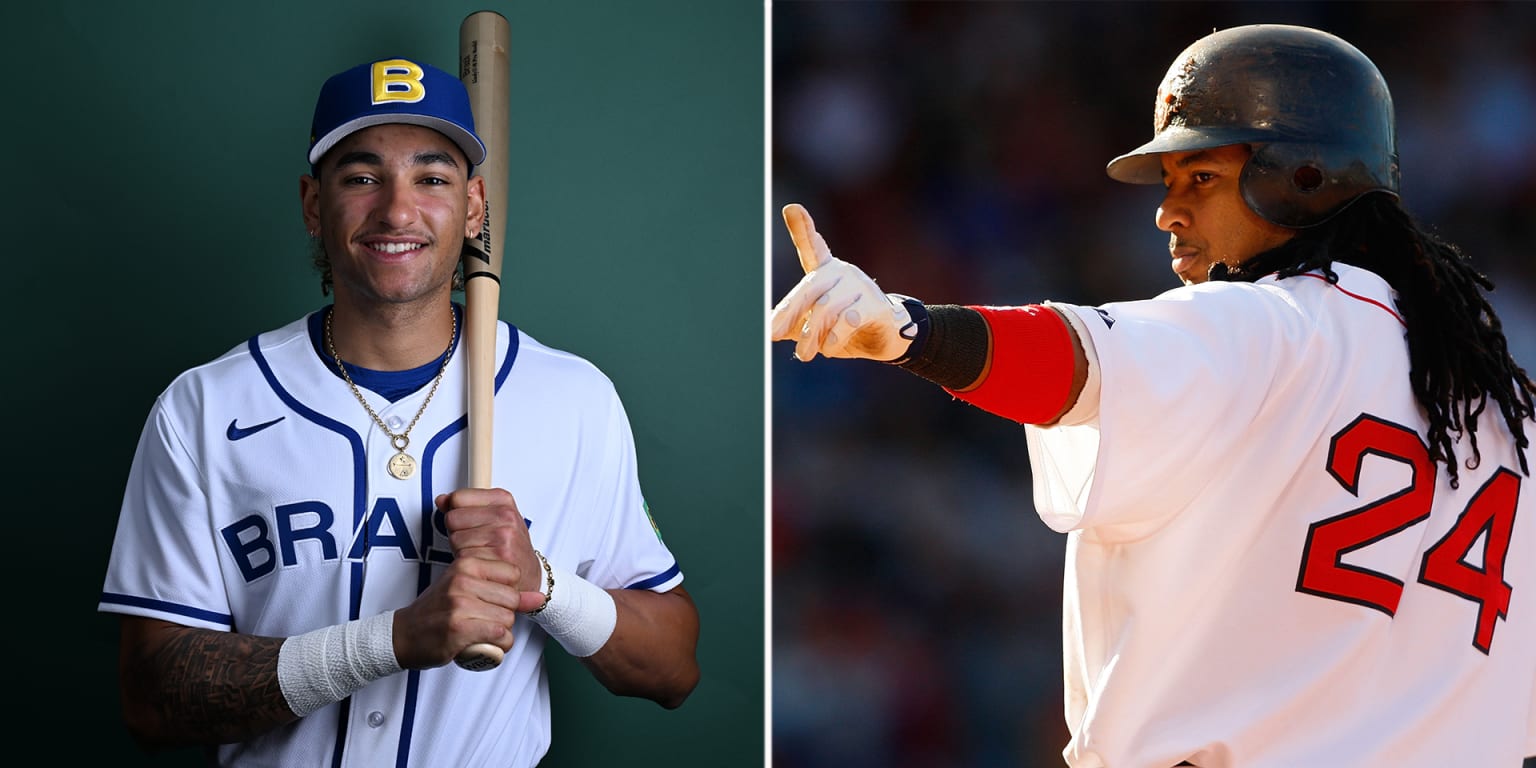
The inclusion of Lucas Ramirez in Brazil’s 2026 World Baseball Classic (WBC) roster epitomizes the strategic ‘heritage arbitrage’ utilized by emerging baseball nations to bypass domestic infrastructure deficits. By leveraging maternal lineage—his mother Juliana’s Brazilian birthright—the program integrates high-ceiling talent from the U.S. professional system. This move serves as a critical case study in how the WBC’s eligibility protocols facilitate competitive parity while driving commercial visibility through legacy branding.
The Biomechanical Strategy of the Ramirez Pedigree
A distinctive analytical facet of Ramirez’s profile is the tactical biomechanical shift mandated by his father, 12-time All-Star Manny Ramirez. Training Lucas as a left-handed hitter despite his natural right-handedness is a calculated effort to optimize his platoon advantage against right-handed pitching—a profile highly valued in modern MLB valuation models. This closed-loop instructional environment, where Manny acts as the primary technical architect, bypasses traditional developmental silos, focusing on plate discipline and power mechanics that yielded a .772 OPS in the Angels’ farm system.
For the Los Angeles Angels, the WBC serves as a high-leverage evaluation platform. Ramirez, a 17th-round selection, will face elite international pitching, providing the organization with diagnostic data on his adaptability beyond the controlled environment of the minor leagues. His ability to navigate the psychological pressure of a national spotlight while refining the hitting mechanics inherited from his father will determine his trajectory within the Angels’ organizational depth chart.
Institutional Drivers and Market Penetration
Brazil’s participation is an essential component of MLB’s broader objective to diversify revenue streams within South America. While soccer remains the cultural hegemon, the ‘Ramirez’ brand provides a narrative bridge to engage a demographic familiar with global sporting icons. This institutional branding benefits the Brazilian Baseball Federation by attracting sponsorship from partners like Capital One and increasing the probability of domestic facility investment following high-profile matchups in Houston and Miami.
However, tactical vulnerabilities remain. Brazil’s recent 14-4 exhibition loss to the Athletics highlighted a systemic lack of pitching depth and defensive consistency. The strategy, therefore, relies heavily on offensive volatility; players like Ramirez must provide outlier productivity to compensate for roster imbalances. The 2026 tournament acts as a stress test for this model, determining if heritage-based recruitment can translate into sustainable international standings.
Legacy Management in the Modern Era
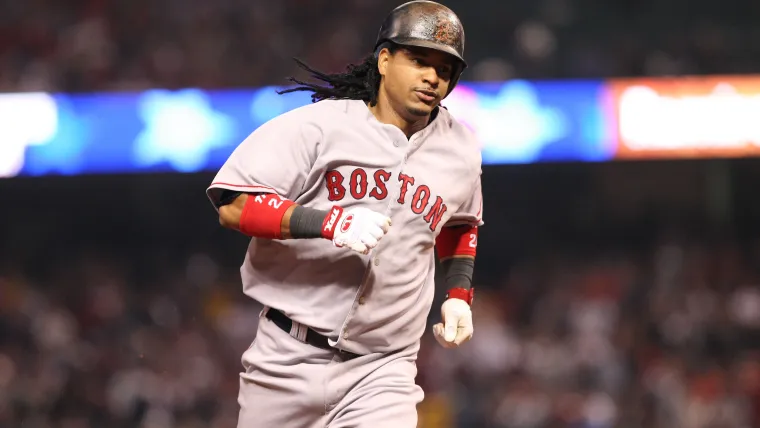
Lucas Ramirez’s decision to wear No. 24 is a deliberate alignment with his father’s Boston legacy, yet it necessitates a complex navigation of historical scrutiny. While Manny Ramirez’s technical brilliance is undisputed, his career was also marked by controversies that Lucas must decouple from his own professional identity. The WBC provides a platform for Lucas to establish an independent brand, transforming from ‘the son of a legend’ into a foundational pillar for Brazilian baseball’s global integration.
Conclusion
The synergy between Lucas Ramirez and the Brazilian national team is a microcosm of the modern international game: a synthesis of heritage, specialized technical instruction, and aggressive market expansion. Success in the 2026 WBC will be measured not just by win-loss records, but by the acceleration of Ramirez’s professional development and the establishment of a viable commercial blueprint for baseball in Brazil.