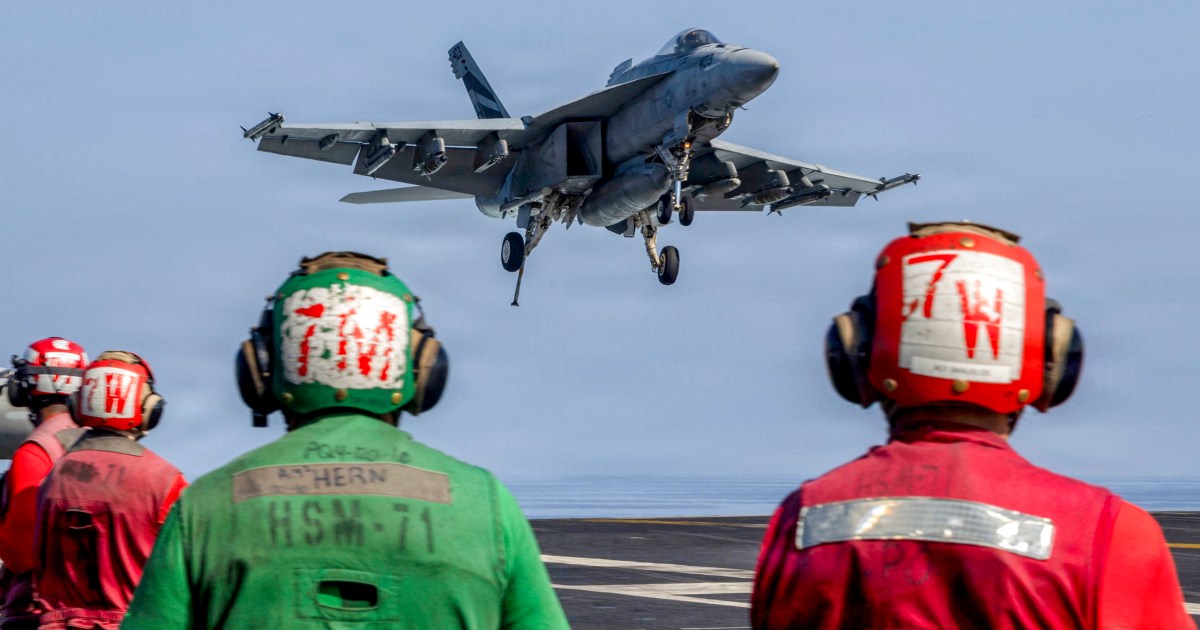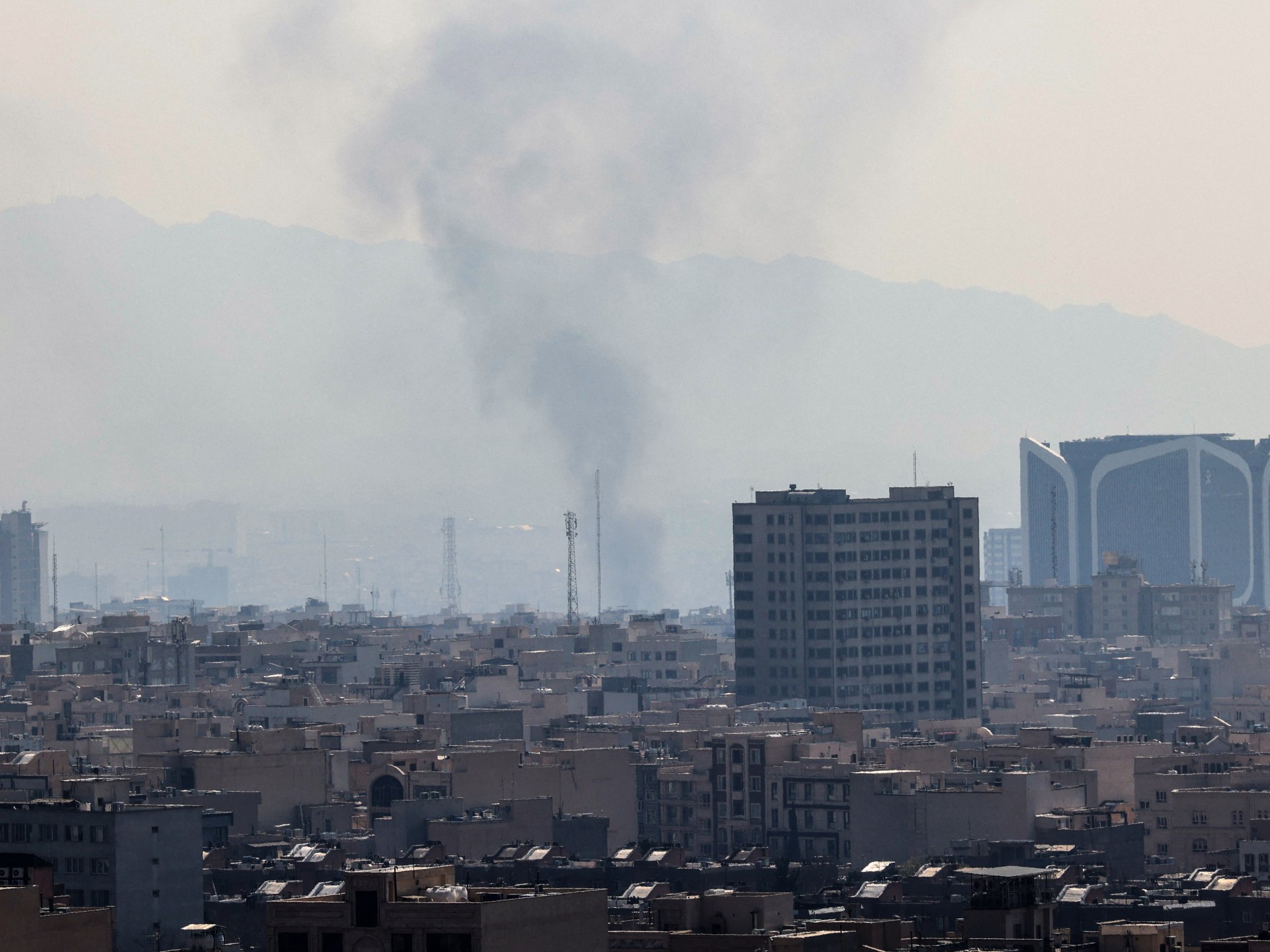
President Donald Trump has privately considered deploying U.S. ground troops into Iran, according to sources familiar with internal discussions. This consideration signifies a potential shift towards direct intervention beyond airstrikes, indicating a strategic re-evaluation of U.S. policy toward Iran.
Strategic Posture and Diplomatic Impasse
Trump’s stated demand for “unconditional surrender” from Iran effectively closes avenues for negotiation or de-escalation, suggesting a strategic objective focused on regime change or complete capitulation. This hardline stance, coupled with discussions of troop deployment, points to an aggressive strategic posture.
The President’s stated indifference to Iran’s internal political structure, “not concerned whether Iran becomes a democratic state,” underscores a transactional foreign policy prioritizing regime alignment with U.S. and Israeli interests for regional stability and resource management.
Regional Stability and Alliance Implications
The UN Secretary-General’s warning of the situation potentially spiraling “beyond anyone’s control” underscores the precariousness of the current trajectory. Escalating strikes, including those reported at Tehran’s Mehrabad Airport and a Lebanese command center, indicate an expanding conflict zone and heightened risk of regional conflagration.
Strategic discussions regarding post-war Iran, including securing uranium reserves and establishing cooperative oil production with a new regime, echo U.S. engagement models seen with Venezuela. This suggests a framework for resource-based partnerships contingent on fundamental governmental change in Iran.
Operational Considerations: Limited Deployment Scenarios
Sources indicate that discussions concerning ground troops have focused on deploying “a small contingent of U.S. troops for specific strategic purposes,” rather than a large-scale invasion. This suggests a potential role for special operations or advisory units.
The precise “specific strategic purposes” remain undefined but could include securing critical infrastructure, supporting a transitional government, or conducting intelligence operations. The exploratory nature of these considerations, with no decisions or orders issued, leaves the ultimate scope and objectives uncertain.
White House Response and Information Control
The White House has dismissed reporting as “based on assumptions from anonymous sources… not read into these discussions,” aiming to control the narrative and mitigate potential diplomatic fallout or internal dissent.
The White House’s use of produced videos splicing Iran war footage with video game and movie clips represents an unconventional messaging tactic, potentially aimed at framing the conflict for a younger demographic or projecting technological superiority.
Geopolitical Dynamics and International Dialogue
Diplomatic channels remain active, though with limited immediate impact. Iranian President Masoud Pezeshkian and Russian President Vladimir Putin have “agreed to continue contacts,” as reported by TASS, indicating coordinated responses to U.S. and allied actions.
The UN’s call for “serious diplomatic negotiations” highlights international concern over escalation. The divergence between the U.S. demand for unconditional surrender and the UN’s plea for dialogue signifies a deep diplomatic chasm.
Economic and Financial Undercurrents
The proposed model for cooperative oil production with a post-war Iranian regime, drawing parallels to Venezuela, highlights significant economic incentives. Securing access to and stable production from Iran’s substantial oil reserves would impact global energy markets and U.S. energy security objectives.
Such a scenario necessitates restructuring Iran’s energy sector and its integration into global supply chains, likely involving major financial institutions and energy conglomerates with a vested interest in a U.S.-aligned government.
Media Framing and Public Perception Management
The White House’s use of edited video content blending military footage with entertainment is a novel approach to shaping public perception of a complex geopolitical event. This strategy deviates from traditional war reporting and may influence public understanding by abstracting the human cost of military action.
The juxtaposition of real-world military actions with fictionalized combat scenarios raises questions about conflict normalization and media’s role in shaping public opinion, potentially aiming to project control and technological dominance.
The Role of Intelligence and Information Warfare
The reliance on “anonymous sources” in reporting underscores the critical role of intelligence and information dissemination in shaping policy and public discourse. The White House’s dismissal of these sources reflects an effort to control the official narrative.
Strategic information deployment, via official channels or leaks, is a crucial element in geopolitical contests. Influencing perceptions and controlling information flow impacts diplomatic leverage and public support for military actions.
Historical Precedents and Strategic Doctrine
While not explicitly detailed, the exploration of ground troop deployment echoes past U.S. military interventions. The emphasis on specific strategic purposes, rather than broad invasion, suggests lessons learned from previous large-scale deployments and their complexities.
The framing of post-war cooperation on oil production with a new regime reflects historical patterns of U.S. foreign policy seeking to secure vital resources and establish favorable economic partnerships, prioritizing strategic resource control and economic alignment.
Stakeholder Incentive Structures
For the U.S. administration, incentives include achieving a decisive foreign policy victory, securing regional allies, and gaining access to vital energy resources. Risks include prolonged conflict, regional instability, financial expenditure, and reputational damage.
Iran’s incentive is to resist external pressure and maintain sovereignty, facing risks of military defeat, regime collapse, and economic hardship. Regional allies like Israel seek a diminished Iranian threat but face risks from regional destabilization and proxy conflict escalation.
Uncertainty and Future Trajectories
Significant uncertainty characterizes the situation, particularly regarding the translation of private discussions on troop deployment into concrete policy. The White House’s information management and reliance on anonymous sources complicate assessment of true intentions and capabilities.
The UN’s call for diplomacy, juxtaposed with the U.S. demand for unconditional surrender and reported military actions, presents contrasting approaches. The effectiveness of these competing strategies in shaping the outcome remains to be seen, with potential for de-escalation or further conflict.
The Strategic Significance of Information Control
The White House’s deliberate splicing of military footage with entertainment elements is a strategic decision to influence public perception and frame the conflict’s narrative, projecting controlled, decisive action while abstracting warfare realities for a domestic audience.
This information dissemination can be viewed as psychological operations, designed to shape domestic support and deter adversaries. The effectiveness of such unconventional media strategies in high-stakes geopolitical environments is under ongoing analysis.
Capital Movement and Resource Control
Underlying economic drivers, particularly concerning Iran’s uranium security and cooperative oil production, indicate a significant focus on capital movement and resource control. The envisioned post-war scenario implies substantial redirection of global energy flows and investment capital.
This objective would likely involve major international energy corporations and financial institutions, whose capital investment would hinge on a stable operating environment. Securing access to and influencing production of significant global energy reserves represents a powerful economic incentive for U.S. foreign policy.
The Institutional Response to Escalation
The UN’s concerns and calls for negotiation represent the institutional response of a global body tasked with maintaining peace. The effectiveness of such appeals often depends on major powers’ willingness to engage, which appears limited by the current U.S. stance.
Ongoing contacts between Iran and Russia indicate an institutional effort to coordinate positions and present a united front against perceived external pressures, reflecting complex international relations and strategic alliances.
Operationalizing ‘Unconditional Surrender’
The demand for “unconditional surrender” presents a significant operational challenge, implying complete dismantling of Iran’s current political and military structures. Achieving this through military means alone would likely require a sustained, costly campaign with unpredictable consequences.
The alternative interpretation—that it’s a maximalist negotiating position to extract concessions—remains possible. However, coupled with troop deployment discussions, it suggests preparedness to pursue more forceful avenues if other measures prove insufficient.
The Leverage of Information and Perception
The White House’s strategic use of edited video content, blending real military actions with fictional scenarios, highlights leverage gained through narrative control. This approach aims to shape public perception, potentially influencing domestic support and projecting decisive leadership.
This form of information warfare is a powerful tool in shaping the geopolitical landscape. By framing the conflict, the administration seeks to influence domestic and international audiences, impacting diplomatic leverage and the perceived legitimacy of its actions.
The Financial Stakes in Resource Control
The strategic interest in Iran’s uranium security and cooperative oil production points to substantial financial stakes. Securing access to and influencing the output of Iran’s energy resources represents a significant economic prize with implications for global energy markets and national economic strategies.
The capital required for developing and managing these resources, particularly in a post-conflict scenario, would be immense. This financial dimension likely plays a crucial role in shaping long-term strategic objectives and the willingness to commit resources.
The Cascading Effects of Military Action
Reported airstrikes on Mehrabad Airport and a Lebanese command center indicate cascading effects from initial conflict. These actions expand the operational theater and increase the risk of broader regional destabilization, potentially drawing in other actors and exacerbating existing tensions.
The UN’s warning about the situation spiraling beyond control underscores the inherent unpredictability of military engagements. Each escalation carries the potential for unintended consequences, complicating diplomatic efforts and increasing the human and economic costs of the conflict.