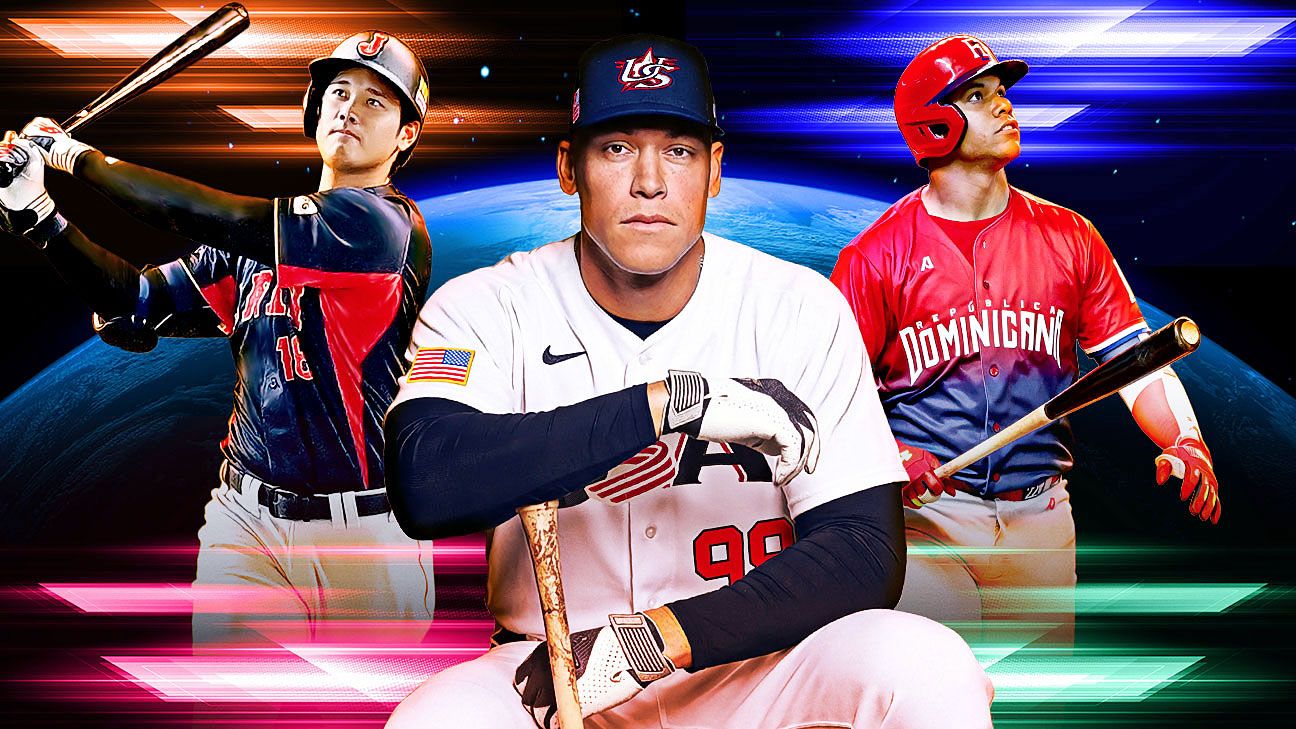
The Institutional Evolution of the World Baseball Classic
The 2026 World Baseball Classic (WBC) has matured into a high-stakes convergence of national soft power and professional market valuation. No longer a mere developmental exhibition, the tournament now serves as a primary theater for operational execution. Early stages have exposed a widening gap between established powerhouses and emerging programs, most notably following Japan’s systematic victory over Chinese Taipei. This outcome establishes a strategic benchmark: championship success now requires more than localized talent; it demands a high-functioning systemic infrastructure.
For the United States, 2026 represents a calculated pivot in roster architecture. Moving away from the top-heavy lineups of 2023, the American front office has prioritized high-ceiling athletic profiles and defensive run prevention. This recalibration is designed to mitigate the inherent volatility of short-series play, where single-game variance—often driven by defensive lapses or lack of situational speed—can terminate a title run despite a superior talent floor.
Japan’s Operational Efficiency and the Ohtani Paradigm
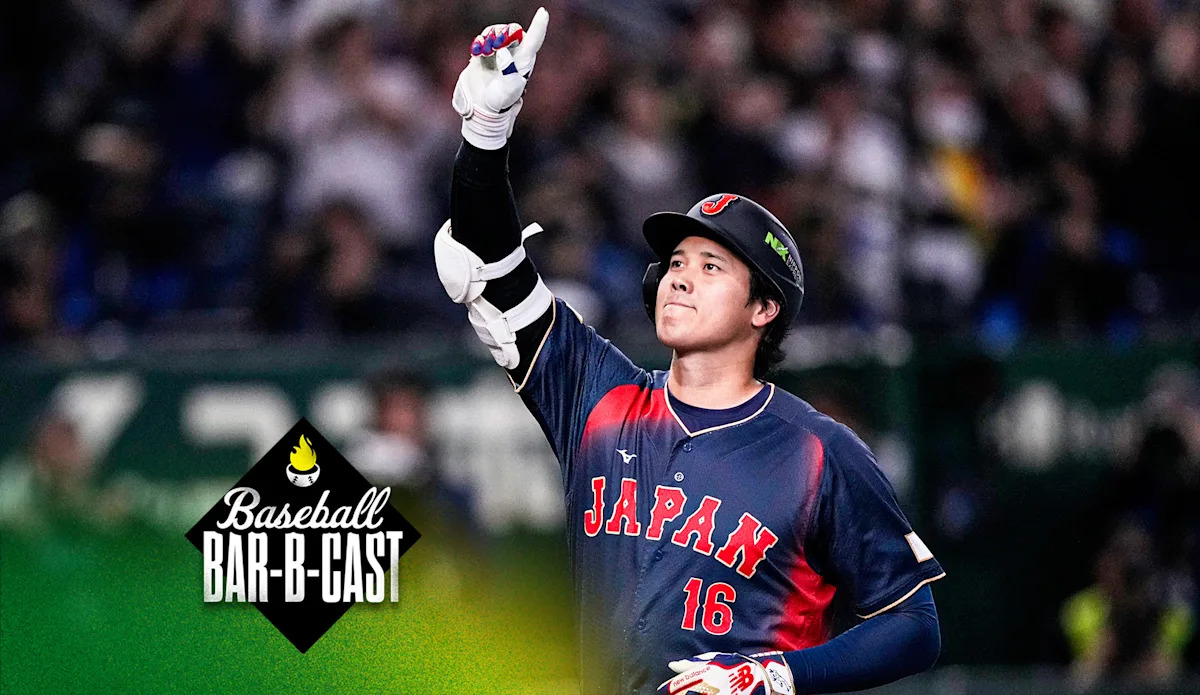
Japan’s dominance in Pool play, punctuated by a mercy-rule victory over Chinese Taipei, underscores a mastery of tournament-specific constraints. Shohei Ohtani’s grand slam provided the statistical ceiling, but the true advantage was operational: by inducing early game terminations, Japan preserved its pitching staff’s high-leverage arms. In a tournament governed by strict pitch-count limitations, this efficiency creates a compounding advantage throughout the bracket.
Yoshinobu Yamamoto’s performance further validates Japan as the tactical standard-bearer. By translating elite MLB postseason form directly to the international stage, Yamamoto offers a blueprint for frontline starter reliability. This continuity between club-level performance and national duty distinguishes the Japanese roster, which functions with a level of tactical cohesion that frequently eludes newly assembled multi-national squads.
Team USA: Performance Leverage and Defensive Stabilizers
The United States’ 2026 campaign is built on the principle of performance leverage, centered around Bobby Witt Jr. His transition from a specialized 2023 utility asset to a 2026 cornerstone reflects a broader maturation of the American talent pool. Accumulating 24.4 fWAR over the previous two seasons, Witt Jr. provides a multi-dimensional threat capable of impacting the win probability through elite defensive range, power-speed metrics, and high-IQ baserunning.
Strategic emphasis on run prevention is further evidenced by the inclusion of Cal Raleigh and Mason Miller. Raleigh provides veteran stabilization for a pitching staff navigating the high-pressure environment of Houston’s Daikin Park, while Miller represents a shift toward utilizing specialized, high-velocity arms in high-leverage windows. This bullpen-centric approach is a direct response to the narrow margins of defeat characterized by the 2023 championship cycle.
Risk Management and the Prospect Paradigm
A significant strategic shift in 2026 is the inclusion of top-tier pitching prospects like Nolan McLean. Historically, MLB organizations prioritized the preservation of developmental assets over international competition. McLean’s participation suggests a new consensus: the competitive seasoning and psychological pressure of the WBC are now viewed as net positives for player trajectory, outweighing the perceived risks of spring overexertion.
However, the injury to Jeremy Peña—a fractured finger—highlights the persistent tension between national aspirations and professional obligations. For organizations like the Houston Astros, these incidents create immediate operational voids. Managing this friction remains the primary challenge for MLB executives who must balance the global expansion of the sport against the protection of their primary capital assets.
Logistical Infrastructure and Global Market Dynamics
The operational centering of Pool B in Houston grants Team USA a logistical advantage by minimizing travel-induced fatigue and providing a familiar climate. The schedule, featuring Brazil, Great Britain, Mexico, and Italy, is strategically sequenced to build narrative and commercial momentum toward the Miami knockout stages. High-capacity venues like Daikin Park ensure maximum revenue extraction while leveraging broadcast platforms like Fox and FS1 to capture a broad, non-core audience.
The tournament also serves as a catalyst for the MLB transaction cycle. The Texas Rangers’ signing of Andrew McCutchen during the WBC window illustrates that the business of baseball remains fluid. For veterans and fringe-roster players, the WBC is an audition for market value. This incentive structure ensures high-intensity play across the entire field, as individual performance on this global stage directly influences professional contract negotiations and roster security.