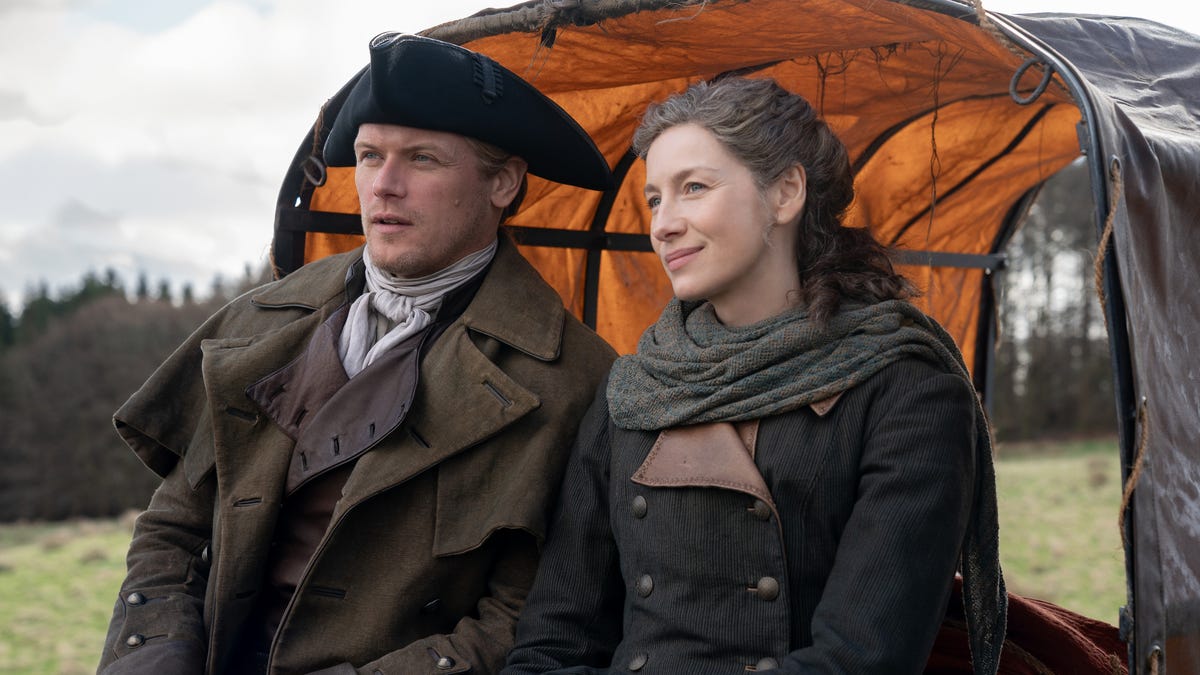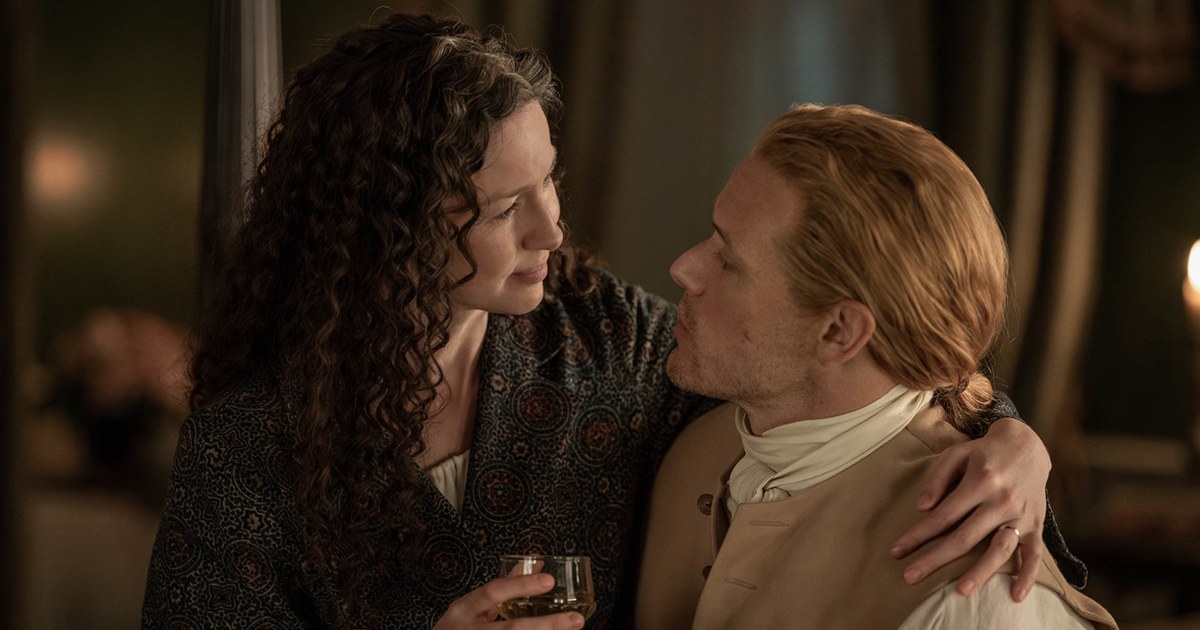
The premiere of ‘Outlander’ Season 8 initiates the final narrative arc for Starz’s cornerstone property, immediately magnifying pressure on the platform to secure subscriber continuity against rising content expenditure across the streaming ecosystem.
Starz’s strategy hinges on leveraging deep, decade-long emotional audience investment to stabilize its subscriber base—a critical metric given the platform’s reliance on high-engagement intellectual property (IP) to justify its premium positioning against diversified media giants.
Strategic Implications: Franchise Sunset and IP Valuation
The final season’s narrative focuses on Claire and Jamie Fraser returning to a mature, evolving Fraser’s Ridge following their Revolutionary War involvement. This pivot structurally challenges the protagonists’ centrality, forcing the narrative to validate their indispensable role within a community that has achieved institutional maturity in their absence.
The synopsis indicates an intensified focus on internal cohesion, noting that ‘family secrets’ threaten the core unit, suggesting a calculated prioritization of high-stakes personal resolution over broader geopolitical arcs to maximize emotional resonance and secure viewership completion rates.
The structural device of an already thriving Ridge establishes a critical test: whether the audience accepts the established world state or demands a narrative reversion to prior equilibrium, thereby defining the franchise’s thematic resolution.
Production Hedging and Fan Engagement Velocity
The disclosure by star Sam Heughan that production filmed multiple potential endings—unknown even to principal actors—introduces significant production uncertainty. This tactic serves as strategic hedging against potential audience dissatisfaction or as a mechanism to centralize final narrative control until broadcast.
This uncertainty impacts downstream marketing, demanding careful management of expectations. Conversely, the reported high-impact audience reaction to the return of secondary characters like Brianna confirms the potent engagement leverage of ancillary franchise elements, suggesting future viability may depend on successful generational transition.
Distribution Mechanics: Segmented Market Capture
The staggered release schedule—midnight ET streaming versus 8:02 p.m. ET linear cable—exposes a dual-market distribution strategy. Early digital access targets high-value, on-demand subscribers, maximizing initial viewership metrics and accelerating social media conversation velocity within the critical first 24 hours.
The late-evening cable slot preserves appointment viewing for legacy demographics, enhancing the perceived scale of the premiere event. Incomplete data regarding distribution beyond Starz points toward undisclosed licensing negotiations impacting international market penetration and ancillary revenue streams.
Fraser’s Ridge: From Settlement to Strategic Asset
The Ridge, described as having flourished ‘without the Frasers,’ shifts its status from a creation to an established, valuable socio-economic entity. Conflict pivots from external survival against historical forces to internal defense against ‘outside intruders’ and the destabilization caused by ‘family secrets.’
This transition demands that the audience invest in the integrity of the established community structure. The confirmation that the fight for the Ridge ‘has only just begun’ ties the protagonists’ personal sacrifices directly to the political and territorial integrity of their foundational legacy.
Stakeholder Exposure and Content Devaluation Risk
For Starz, the conclusion of ‘Outlander’ signals a substantial devaluation risk associated with losing its primary subscriber anchor. The final season’s efficacy will be rigorously assessed based on its ability to drive long-term subscription retention post-finale, not just raw viewership.
The core challenge for Caitríona Balfe and Sam Heughan is translating decade-long franchise equity into future roles, potentially constrained by audience expectations conditioned by the unique Fraser dynamic.
Competitive Context and Pipeline Imperative
In the premium cable landscape, the sunsetting of a tentpole mandates a strategic realignment for Starz to prove its internal capacity for cultivating new, high-value franchises. Success will be benchmarked by managing subscriber attrition.
The final narrative push, framed around ‘what they would sacrifice to stay together,’ is fundamentally a high-stakes retention campaign, leveraging established character arcs to stabilize immediate financial performance indicators by ensuring maximal emotional payoff.
Operationalizing the Finale: Narrative Control
The filming of divergent endings reflects a sophisticated, risk-managed approach to narrative control, potentially allowing executive leadership to align the ultimate canon with broader corporate content strategy goals, independent of actor input.
The confirmed high-impact return of Brianna’s lineage underscores the strategic necessity of maintaining temporal continuity, positioning the finale to conclude the main arc while simultaneously acting as a bridge for future derivative IP exploitation.
Incentives Driving Final Narrative Structure
The conflict architecture pits external pressure (‘outside intruders’) against internal fractures (‘family secrets’). This mechanism accelerates plot development by making the resolution of personal betrayals or hidden truths the prerequisite for securing the long-term viability of Fraser’s Ridge.
This structure ensures sustained engagement through the final episodes, as the resolution of relationship dynamics is positioned as the ultimate determinant of the protagonists’ success, maximizing emotional capital extraction from seven seasons of audience investment.
Downstream Effects on IP Stewardship
Successful execution of this finale sets a vital precedent for Starz’s future management of high-cost series conclusions, particularly concerning IP ownership and actor contract resolution post-series. Commitment to a ‘heart-wrenching journey’ aims to mitigate fan backlash, preserving the long-term value of the underlying novel series.
Operational focus now shifts to IP stewardship: determining the optimal timing and format for exploiting the ‘Outlander’ universe. Any subsequent prequels or spin-offs must successfully decouple from the central Jamie/Claire dynamic while retaining core world-building elements.