Pistons vs. Spurs Analysis: Playoff Trajectory and Strategic Vulnerabilities
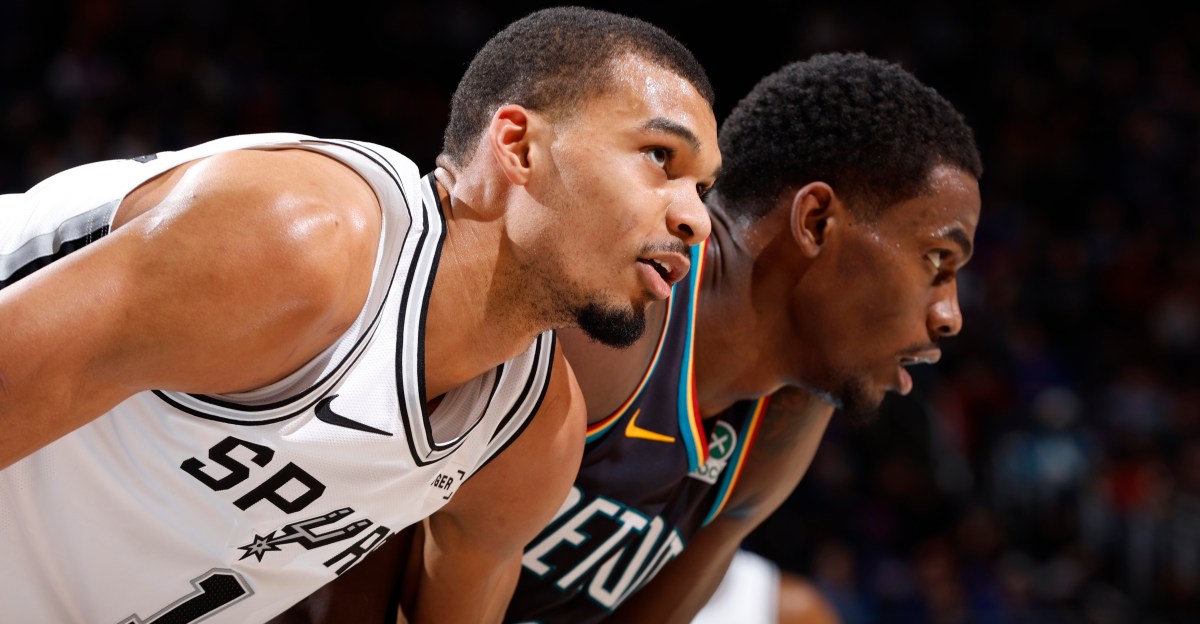
The Detroit Pistons (45-15) face the San Antonio Spurs (44-17) in a regular season contest at the Frost Bank Center in San Antonio. This matchup holds significant weight beyond a single game, serving as a critical data point for assessing the strategic vulnerabilities and playoff readiness of two franchises that have exceeded market expectations this season.
Strategic Matchup: Detroit’s Bottleneck vs. San Antonio’s Depth
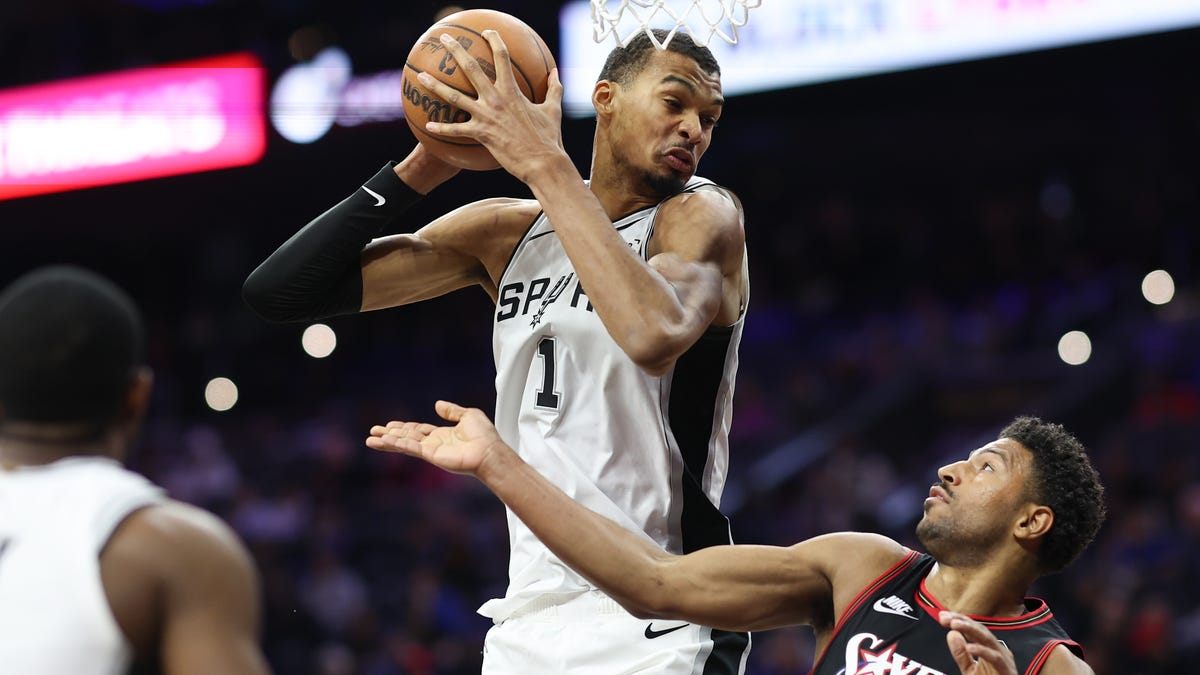
The primary strategic challenge for Detroit in this matchup stems from the previous encounter on February 23, where San Antonio secured a 114-103 victory. The core issue for the Pistons was their inability to effectively counter the Spurs’ defensive pressure. Specifically, Victor Wembanyama’s presence on the backline effectively stifled Detroit’s offense, forcing strategic adjustments that failed to materialize. The defensive pressure applied by Stephon Castle on primary ball-handler Cade Cunningham further exacerbated Detroit’s offensive bottleneck, highlighting a critical area for improvement in high-stakes scenarios.
Detroit’s recent performance against the Cleveland Cavaliers (113-109 loss) underscores this strategic challenge. Despite shooting 51% from the field, Detroit’s offensive efficiency did not translate into victory, indicating potential issues in defensive execution or late-game decision-making. The team’s reliance on specific players for production, exemplified by Jalen Duren’s 24 points and 14 rebounds in the loss, suggests a lack of consistent offensive distribution when facing top-tier competition. The absence of Harrison Barnes due to an ankle injury further complicates strategic rotations and places increased pressure on secondary scorers to fill the void.
Conversely, San Antonio’s recent performance against the Philadelphia 76ers (131-91 blowout win) demonstrates superior operational depth and strategic flexibility. The Spurs achieved a balanced scoring attack with eight different players reaching double figures. This distribution minimizes reliance on a single superstar and complicates defensive planning for opponents, offering a sustainable model for long-term competitive success. The ability to leverage multiple scoring threats provides San Antonio with greater resilience when individual players face high-level defensive scrutiny.
Market Perception, Betting Dynamics, and Playoff Implications
Both the Pistons and Spurs have significantly exceeded market expectations this season, transitioning from perceived rebuilding phases to legitimate playoff contenders. This overperformance impacts future capital allocation, media rights valuation, and fan engagement for both franchises. The market’s shift in perception identifies both teams as “live dogs to make the NBA Finals,” reflecting a belief that both possess the necessary strategic elements—top 10 offenses and top 5 defenses—to challenge established contenders.
The financial ecosystem surrounding the game, particularly the betting odds (Pistons +3.5 and over/under totals), provides a market assessment of the perceived strategic advantages. The Spurs being slight favorites reflects their recent operational success and the strategic advantage gained from the previous matchup. These lines are based on analytical assessments of team performance, player matchups, and recent trends, offering insights into how capital flow reacts to competitive dynamics.
A significant institutional factor for both teams, noted by the source, is a relative lack of playoff experience among current major contributors. While both teams demonstrate strong strategic foundations, this institutional factor presents a potential vulnerability in high-pressure playoff scenarios. The ability to perform under intense scrutiny, where strategic adjustments are magnified, will be a critical test for both franchises as they transition from regular season success to deep playoff runs.
Conclusion: Assessing Strategic Momentum and Long-Term Outlook
The Pistons-Spurs matchup is a vital assessment of strategic momentum for both ascending franchises. Detroit’s primary challenge lies in converting offensive efficiency into consistent victories against top-tier competition and mitigating the strategic bottlenecks created by Wembanyama and Castle. The impact of Barnes’ absence highlights the need for greater strategic depth and resilience in high-stakes situations. San Antonio, having demonstrated operational depth and strategic flexibility in their balanced attack, seeks to validate this model against a strong opponent. The outcome will influence market perception and provide valuable insights into both teams’ readiness for deep playoff runs, shaping long-term franchise development and future capital allocation.