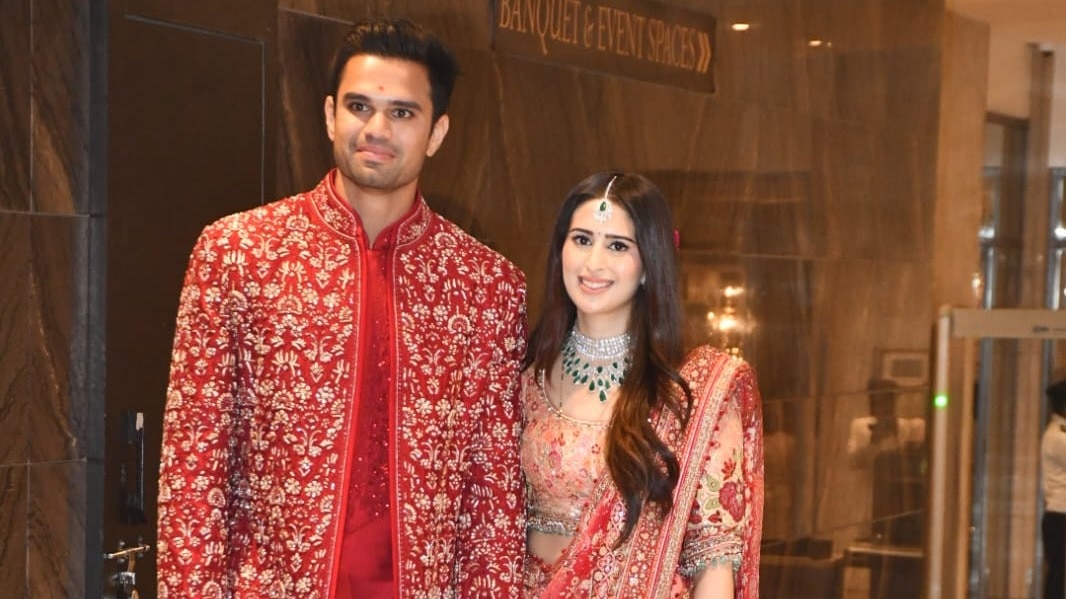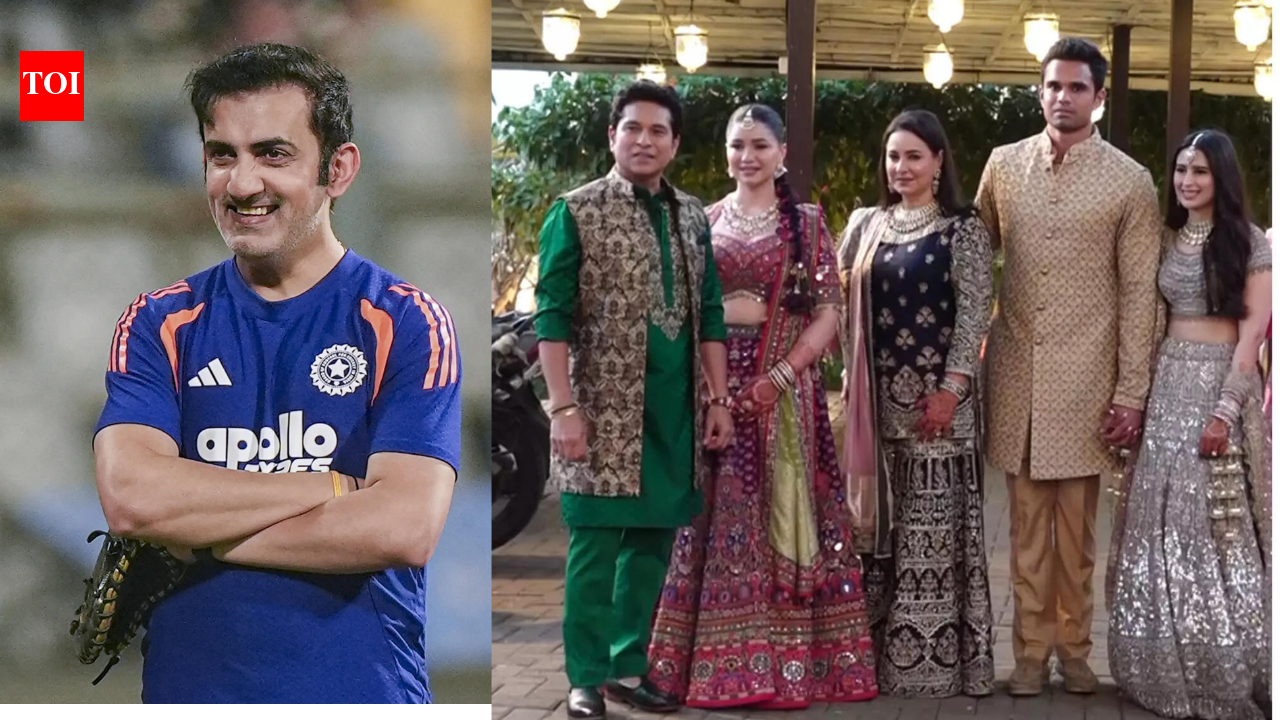
The convergence of ICC T20 World Cup knockout pressure and significant personal milestones within the Indian team required a calculated management of optics and operations. Head Coach Gautam Gambhir’s documented presence at Arjun Tendulkar’s wedding in Mumbai, mere hours preceding the semifinal against England, presents a case study in elite sports stakeholder alignment.
Logistical Synchronization Over Cognitive Load
The critical enabler for this action was logistical proximity. The venue’s location relative to the team’s designated pre-match accommodation mitigated external travel friction and minimized operational disruption. This spatial alignment suggests a pre-approved, highly controlled engagement, prioritizing team availability over absolute isolation.
The strategic justification hinges on the perceived operational robustness of the team’s preparation. By attending, Gambhir tested the established performance baseline—whether established tactical readiness could withstand brief, managed external stimuli without introducing measurable cognitive load before a decisive fixture.
Stakeholder Signaling and Institutional Cohesion
Gambhir’s attendance, even limited, functions as potent signaling to internal stakeholders. Public acknowledgment of a key player’s familial milestone reinforces internal cohesion and validates the integration of personal life within the professional hierarchy, countering potential perceptions of detachment from squad members.
However, attending a widely publicized event immediately preceding a knockout match elevates external media scrutiny. The optics inherently introduce a risk factor concerning public narrative control, requiring absolute assurance of unwavering competitive focus post-event.
The Tendulkar Nexus: Visibility and Relational Equity
The event’s institutional weight is amplified by its connection to Sachin Tendulkar. The convergence—attended by figures from cricket administration, Bollywood, and commerce—placed the coaching leadership directly within a high-visibility nexus, demanding representation to maintain relational equity within the broader Indian cricket establishment.
This intersection of elite sport and influential social circles highlights an evolving operational reality: visibility among commercial partners and legacy figures is often weighted against competitive isolation.
Managing Dual Media Ecosystems
The widespread coverage across entertainment and general news verticals, driven by celebrity attendance (e.g., Aishwarya Rai, Abhishek Bachchan), mandates that team leadership manage fragmented media consumption patterns. Performance narrative must successfully compete with lifestyle narrative, demanding enhanced visible professionalism from figures like Gambhir.
Competitive Context and Risk Assessment
The decision occurred following a demonstrated period of high competitive output (eliminating previous champions in the Super 8s). The coach’s calculated absence/presence ratio suggests confidence that the team’s preparation had transitioned to a self-regulating phase, allowing the leader minimal, controlled external engagement.
Evolution of Elite Sporting Norms
This action reflects a divergence from historical ‘monastic’ preparation models. In modern, commercialized T20 structures, the incentive to maintain visibility and goodwill within influential social tiers often mandates a degree of social integration, even under intense competitive timelines.
Downstream Protocol Implications
The successful execution of this tight scheduling—integrating social duty with match readiness—sets a critical precedent for future ICC event protocols regarding player lifecycle management. Positive results will retrospectively validate the strategy as evidence of high trust and effective compartmentalization.
Conversely, underperformance would inevitably trigger intense post-mortem analysis focusing on this scheduling decision as a potential point of distraction or commitment dilution.
Legacy Continuity and Succession Mapping
Gambhir, bridging previous and current eras, participating in the milestone of the next generation (Arjun Tendulkar), performs a vital cultural function: reinforcing institutional harmony across leadership transitions. The acknowledged significance of the event, known since the engagement announcement months prior, required a strategic response to sustain morale and institutional support structures.
Conclusion: Performance as Ultimate Arbiter
The event underscores a high-risk, high-reward strategic balance: the perceived benefits of institutional signaling and social obligation were deemed to outweigh the marginal competitive risk, heavily contingent on flawless logistical execution. The ultimate metric for this strategic calculus remains the outcome of the subsequent semifinal, illustrating the unforgiving linkage between optics and elite sporting performance.