Systemic Vulnerabilities in Digital Infrastructure Deployment
The gas main breach in Arcadia, Indiana, serves as a high-stakes case study in the operational frictions inherent in rapid telecommunications expansion. When an independent contractor performing fiber optic installation compromised a large-diameter gas main, the resulting multi-agency emergency response affected a significant portion of the town’s 1,400 residents. This incident highlights the systemic vulnerability of legacy utility networks when confronted with the aggressive excavation timelines required for modern broadband parity.
The strike, located near the intersection of West East Street and Howard Avenue, necessitated an immediate quarter-mile evacuation radius. This distance is a standard safety buffer designed to mitigate the risks of high-concentration natural gas accumulation and potential ignition. The event underscores a recurring failure in the pre-excavation verification process, exposing gaps in the coordination between municipalities, private fiber providers, and utility operators such as CenterPoint Energy.
Tactical Emergency Management and Remediation
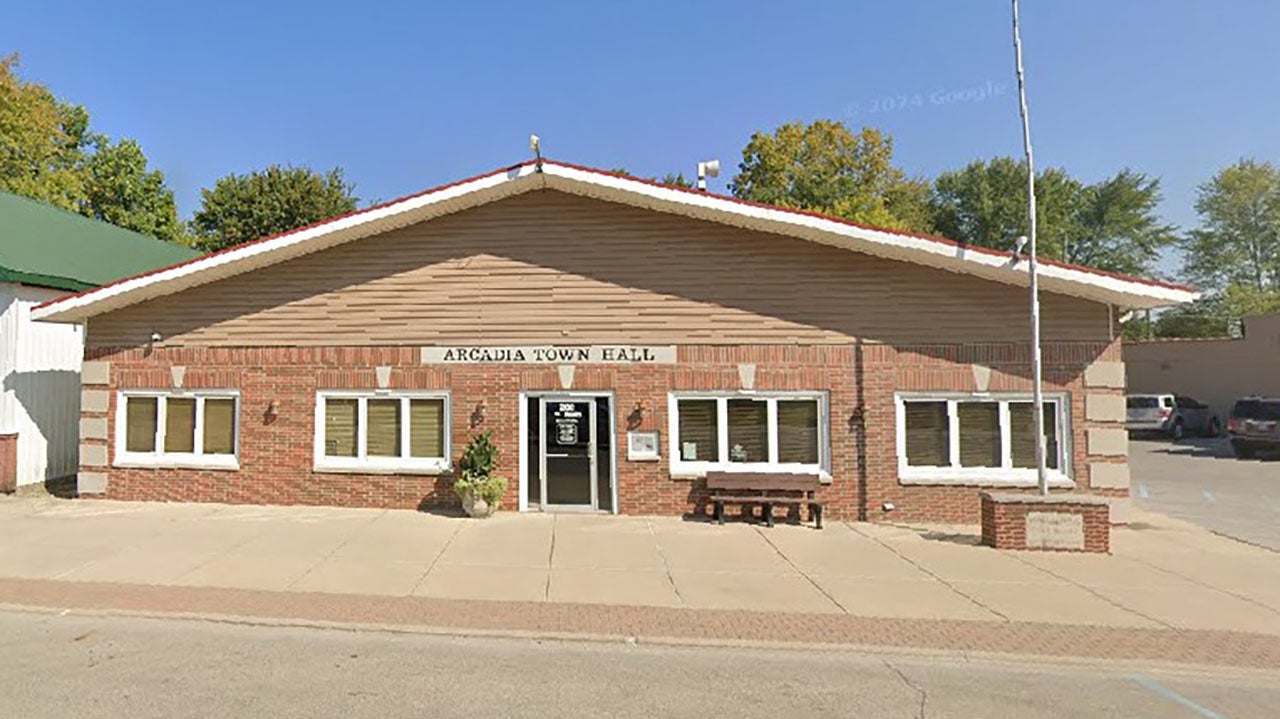
Execution of the evacuation at 7:20 p.m. by the Hamilton County Emergency Management Agency (EMA) and Arcadia Police demonstrated the necessity of localized industrial accident protocols. By designating the Arcadia Town Hall as a primary shelter, officials centralized communications and resource allocation. The Jackson Township Fire Department’s role in atmospheric monitoring was critical, ensuring that the restricted zone remained secure while CenterPoint Energy crews initiated technical stabilization.
By 10:22 p.m., the majority of the evacuation orders were lifted, yet the continued exclusion of the 200 block of East Howard Avenue pointed to localized gas migration or structural entrapment of vapors. Technical remediation of high-pressure strikes involves more than physical repair; it requires line purging, structural welding, and pressure testing to ensure the integrity of the downstream distribution network. The projected six-hour repair window reflects these complex safety mandates.
Contractor Liability and Economic Friction
The involvement of an “independent contractor” complicates the chain of accountability. In the utility sector, outsourcing specialized labor often fragments risk distribution, potentially leading to litigation regarding adherence to “811” safe-digging protocols. Beyond physical repair costs, the financial fallout includes the operational overhead of the EMA and Jackson Township Fire Department, as well as the indirect economic losses sustained by local businesses during the evacuation.
For municipal leaders, the incident necessitates more stringent oversight of right-of-way permits. While fiber expansion is a strategic economic priority, the execution must prioritize subsurface utility engineering (SUE) to prevent catastrophic service failures. The 200 block of East Howard Avenue remains a focal point for understanding the long-tail recovery process following localized infrastructure compromise.