Executive Branding vs. Consumer Authenticity
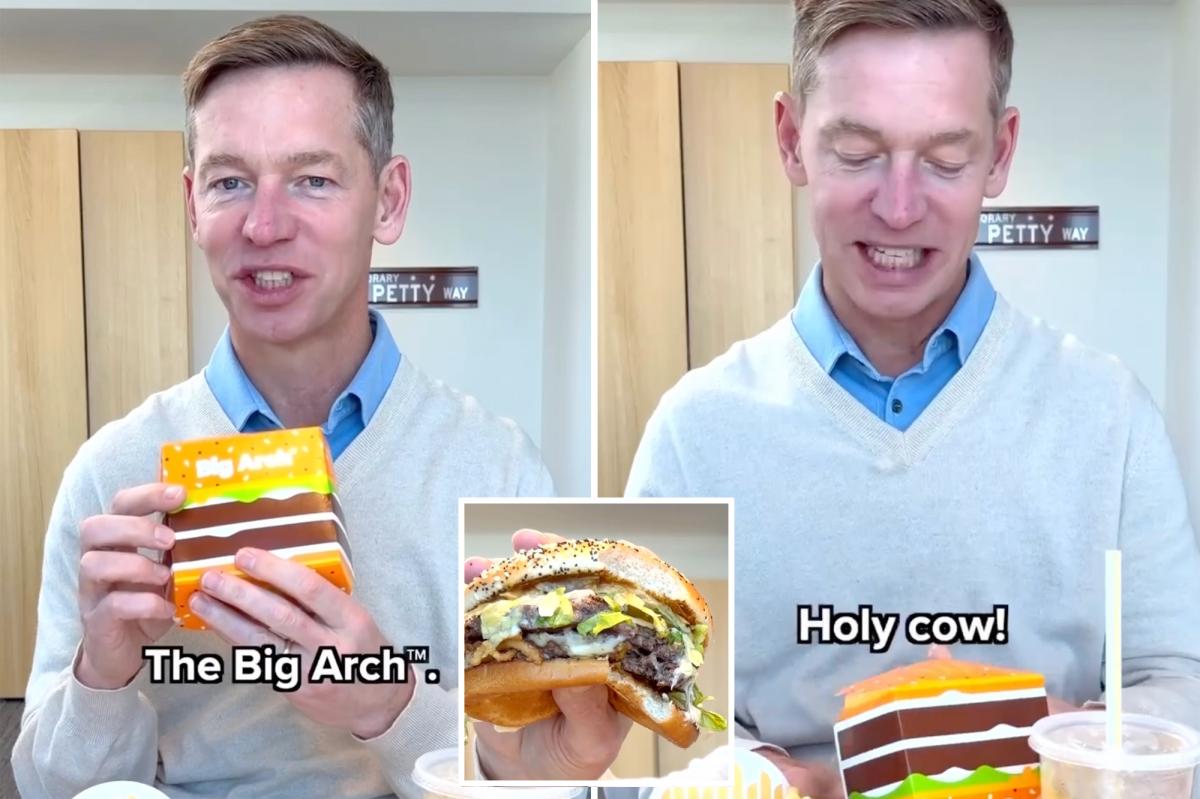
The viral resurgence of McDonald’s CEO Chris Kempczinski’s Big Arch taste test illuminates a critical friction point in modern corporate communication: the ‘authenticity gap.’ As C-suite leaders adopt social-media-first strategies to foster relatability, the distance between institutional personas and grassroots consumer expectations becomes a significant source of reputational exposure.
Kempczinski’s engagement serves as a case study in the risks of executive-led product promotion. While intended to humanize the brand, the execution triggered a wave of digital skepticism that highlights the high stakes of C-suite digital presence in a decentralized media landscape.
Linguistic Dissonance: The ‘Product’ vs. The Meal
A primary catalyst for mockery was Kempczinski’s persistent categorization of the Big Arch as a ‘product’ rather than food. This nomenclature signals a deep-seated industrial logic, where culinary offerings are viewed through the prism of supply chain metrics and manufacturing output. For a consumer base seeking a visceral hospitality experience, this technical framing creates an immediate emotional detachment, exposing a disconnect between corporate headquarters and the drive-thru window.
Strategic Market Positioning: The Premiumization of Volume
The Big Arch represents a calculated move into the ‘super-sized’ premium category. Featuring two quarter-pound beef patties, three slices of white cheddar, crispy onions, and a signature tangy sauce, the item is designed to compete in a market increasingly defined by high-protein, value-heavy sandwiches. This pivot attempts to leverage the operational efficiency of the existing quarter-pounder platform while iterating on the flavor profile of the iconic Big Mac.
However, strategic value is often diluted by visual delivery. The CEO’s admitted uncertainty on how to ‘attack’ the burger—paired with a notably cautious consumption style—undermines the marketing narrative of quality and desirability. When a leader appears to perform a chore rather than enjoy a flagship offering, the product’s perceived value is compromised.
The ‘Aura’ Audit: Social Media as a Performance Metric
The viral reaction, largely focused on the CEO’s ‘aura’ and perceived reluctance to finish the meal, functions as a decentralized audit of corporate sincerity. Modern audiences are attuned to the ‘unnatural’ interaction; the contrast between a polished corporate chairman and the tactile reality of fast food creates a visual dissonance that digital communities are quick to exploit.
This ‘authenticity friction’ impacts the momentum of major launches. For stakeholders, the risk is that executive awkwardness becomes the dominant narrative, overshadowing the product’s technical merits and the company’s capital investment in menu innovation.
Institutional Logic and Financial Leverage
From a financial perspective, the Big Arch is a high-margin play intended to increase average check sizes during a period of consumer spending volatility. Its success relies on being perceived as a legitimate, high-value alternative to standard menu items. If the primary spokesperson lacks visible conviction, it provides a competitive opening for rivals to emphasize their own connection to the consumer experience.
Conclusion: The Strategic Cost of Perceived Performance
The Big Arch incident underscores that in a transparent digital ecosystem, the CEO is no longer just a strategist but a central component of the brand’s visual output. Future executive engagements must recalibrate to align institutional logic with consumer affect. In the age of viral transparency, the most effective strategic tool for a leader is genuine, unscripted engagement with their own brand.