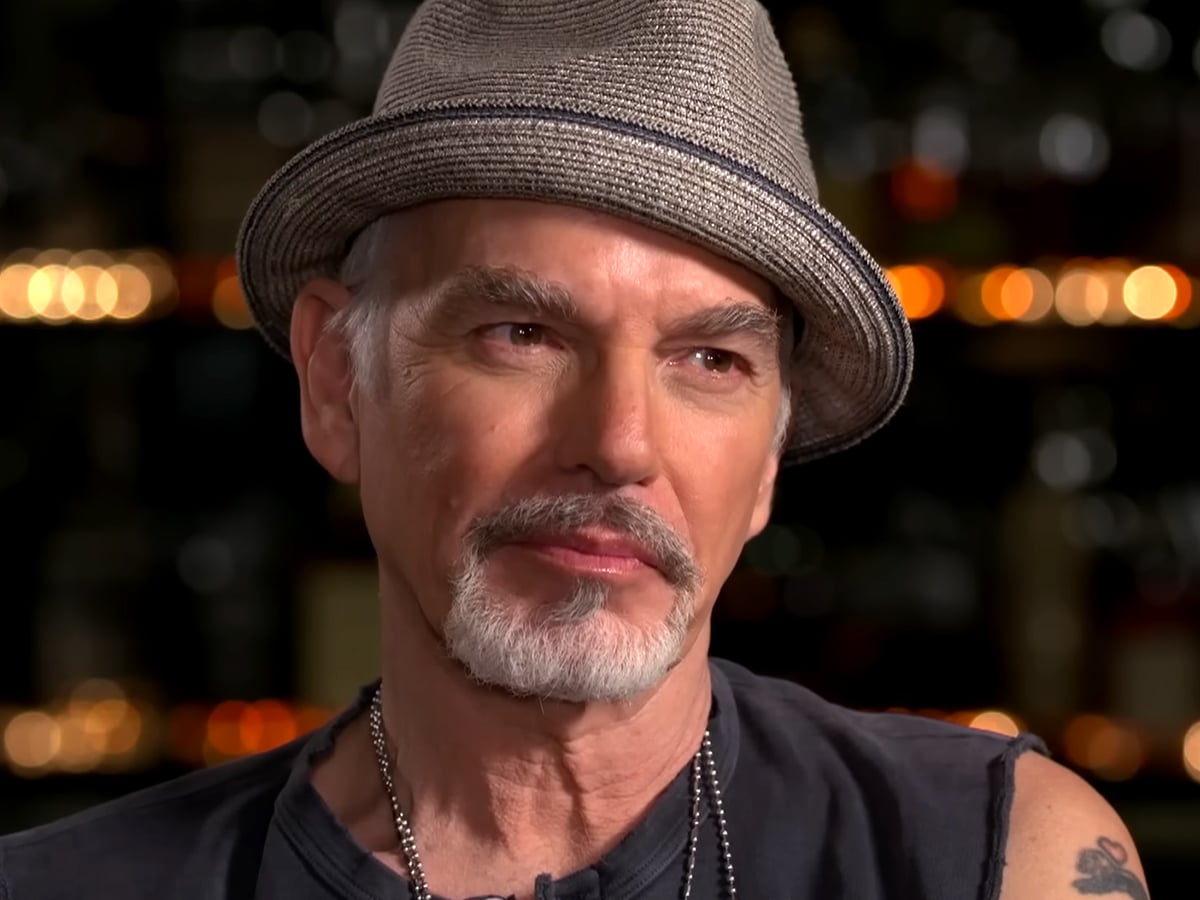
Billy Bob Thornton’s career trajectory demonstrates a calculated recalibration from an independent foundation, established by singular creative control, toward capitalizing on the structural demands of premium television distribution.
His early tenure, solidified by the Oscar win for the Sling Blade script, established a precedent for prioritizing material quality, creating an intangible capital base that informs subsequent, high-leverage negotiations.
Streaming Dominance: A Calculated Pivot
Thornton’s recent resurgence, exemplified by his starring role in Taylor Sheridan’s Landman, signifies a successful conversion to serialized content, a domain offering sustained cultural visibility unmatched by sporadic feature film investments.
The immediate social resonance surrounding Landman validates the current media ecosystem’s preference for character-driven narratives anchored on Subscription Video On Demand (SVOD) services, effectively replacing the legacy blockbuster cycle for established veterans.
This strategic orientation is critical: while the Netflix feature The Gray Man offered immediate global reach, the serialized commitment of Landman ensures prolonged cultural currency and consistent performance leverage with the distributor.
The ‘Goliath’ Precedent: Quantifying Streaming Stability
The preceding Prime Video series, Goliath (concluding 2021), acts as a benchmark for Thornton’s current streaming utility. Its consistent critical validation (86% critic score) proved his ability to anchor high-caliber, lead-driven legal drama, mitigating execution risk for subsequent platform investments like Landman.
This track record indicates a strategic understanding of how multi-season SVOD commitments translate directly into durable industry positioning, offering stability absent in the volatile theatrical release pipeline.
Competitive Implications: Leveraging Pedigree Over Volatility
Thornton’s current operational model—balancing leading a hit series with music touring and recording—reflects a post-peak strategy focused on diversified creative output rather than the singular commitment required by tentpole features.
The implied cancellation of the The Gray Man sequel highlights the structural fragility of film projects reliant on immediate, massive viewership metrics versus the contractual stability inherent in prestige television architecture.
For veteran actors, Thornton’s pathway validates securing long-term roles on platforms willing to heavily finance proven, award-caliber talent to anchor their content libraries against competitor churn.
Operational Leverage: Post-Acclaim Negotiation Power
Achieving Oscar-winner status grants Thornton significant transactional leverage. Material selection now prioritizes creative latitude over immediate financial necessity, contrasting sharply with his resource-scarce arrival in Los Angeles.
His ability to selectively engage, implied by considering a project the “best he ever made,” suggests executive alignment between his vision and the platform’s execution capabilities. This leverage, built on the critical mass of Sling Blade and Goliath, is an asset newer talent cannot easily replicate.
The Sheridan Ecosystem and Content Concentration
Involvement in Taylor Sheridan’s Landman situates Thornton within an increasingly dominant content ecosystem favoring specific, highly resonant narrative frameworks. Sheridan’s proven blueprint for high-stakes serials defines a narrative engine that Thornton strategically aligns with.
This concentration of proven, high-value talent within established showrunner universes creates formidable barriers to entry, solidifying Thornton’s market position within that lucrative niche.
Financial Architecture: Fees vs. Backend Royalties
The shift to streaming primarily favors performance fees and guaranteed multi-season salaries over the potential (but uncertain) backend royalties common in independent film ventures. This trade-off prioritizes stability for established stars.
The comparison between the financial uncertainty surrounding a canceled feature sequel and the multi-year commitment of a leading streaming role clearly illustrates the diverging capital deployment strategies between theatrical distribution arms and subscription video services.
Legacy Management in Algorithmic Curation
Thornton’s genre fluidity—moving seamlessly from intense character study (Sling Blade) to legal drama (Goliath) to action context (The Gray Man)—insulates him from narrow typecasting, providing greater utility to platforms seeking broad demographic penetration.
His consistent visibility across high-profile projects (film, TV, music) actively counters algorithmic relegation, ensuring his body of work remains discoverable across diverse audience segments.
Stakeholder Exposure and Subscriber Acquisition Value
For streaming entities, securing talent of Thornton’s caliber is a direct investment in quantifiable metrics: subscriber acquisition and retention. His presence validates the high capital expenditure necessary to drive viewership against competitive platform offerings.
Conversely, reliance on a singular, high-salaried anchor introduces overhead risk if viewership targets are missed, although Landman’s current success effectively mitigates this exposure.
The Enduring Demand for Complex Character Studies
Thornton’s sustained success in roles like Tommy Norris and Billy McBride confirms that sophisticated, morally complex character studies remain a core driver for premium content consumption, irrespective of distribution evolution.
The market value of ensemble casts featuring actors with significant dramatic weight, as seen in Goliath, persists, confirming that the fundamental demand for performance-heavy narrative arcs remains robust.
Navigating Decentralized Production
Thornton’s journey reflects the structural breakdown of the traditional studio system. His current viability relies on navigating decentralized production where showrunners (Sheridan) wield superior greenlighting authority over legacy studio gatekeepers.
Adaptability between studio-backed features and creator-driven serials is essential for viability outside rigid legacy Hollywood contracts.
Conclusion: Optimized Veteran Career Architecture
Billy Bob Thornton’s professional model—combining high-visibility streaming leads with critical pedigree and diversified creative output—is highly optimized for the contemporary media landscape. His success stems from strategic alignment with structural shifts favoring serialized, platform-exclusive content anchored by proven, versatile performers.