
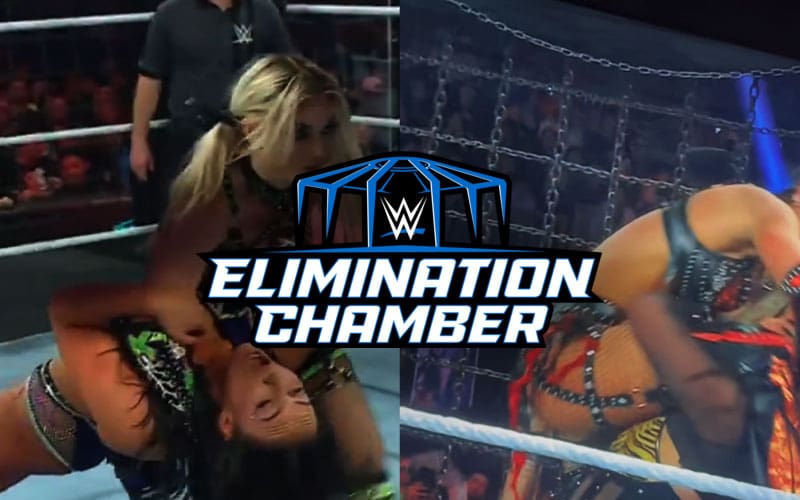
WWE Wardrobe Incidents Intensify Operational Scrutiny
Recent wardrobe malfunctions involving WWE Superstars Kiana James and Raquel Rodriguez during high-stakes events like the Women’s Elimination Chamber and Royal Rumble have brought renewed focus to the operational and logistical demands of live sports entertainment. These incidents highlight the critical need for gear integrity under extreme physical conditions and the pervasive influence of digital scrutiny.
During the physically demanding Women’s Elimination Chamber match, Kiana James experienced a brief attire issue early in her bout with Tiffany Stratton. While the moment was fleeting, its dissemination through fan-generated, slowed-down clips on social media illustrates the intense digital surveillance performers and organizations face.
This instance within the fast-paced Elimination Chamber environment underscores the fine line between athletic performance and potential public relations challenges. The rapid nature of professional wrestling amplifies even minor equipment failures through immediate online discourse, impacting brand perception and athlete image.
Raquel Rodriguez later reported a more significant issue with her Royal Rumble attire, noting a pre-existing unrepaired hole that worsened during her participation. The gear had been previously worn in a Street Fight in Saudi Arabia, suggesting potential wear-and-tear or insufficient pre-event equipment checks for a major competition.
Rodriguez’s account to TMZ’s Inside the Ring indicated the malfunction was not immediately noticeable during the match, only being identified post-event. Time constraints following her elimination by Liv Morgan prevented immediate repair, leading to the retirement of the specific outfit.
The strategic implications for WWE extend beyond momentary disruptions. Consistent gear failures can impact athlete confidence, introduce injury risks, and generate negative publicity that detracts from planned narratives and competitive focus. This necessitates robust quality control and contingency planning for athlete apparel.
Professional wrestling’s competitive landscape relies on maintaining an illusion of seamless performance and compelling storytelling. Wardrobe malfunctions, however minor, can break audience immersion, potentially diminishing the perceived professionalism and athletic prowess of performers and the organization.
Operationally, these incidents prompt a review of equipment maintenance protocols, pre-event inspections, and the availability of backup gear. Ensuring the reliability of high-quality, durable ring attire under extreme conditions is paramount to preventing costly disruptions and reputational damage.
The rapid dissemination of visual content on social media means even brief, unscripted moments gain significant traction. This amplification effect places an increased burden on organizations like WWE to meticulously manage all presentation aspects, including athlete attire, to avoid unintended public attention.
Rodriguez’s decision to retire the outfit reflects a brand management strategy to avoid further association with compromised equipment, implying ongoing investment needs in reliable apparel.
The extreme physical demands on WWE performers require gear engineered for durability, aesthetics, and safety—a complex balance necessitating continuous research and development.
These incidents also underscore the importance of athlete feedback loops. Rodriguez’s proactive reporting highlights the need for immediate mechanisms to report equipment failures during or directly after performances.
In the broader context of sports entertainment, wardrobe issues can serve as distractions, detracting from athletic achievements and storylines, impacting fan engagement and the overall viewing experience.
Maintaining a polished, professional image is key for WWE’s financial leverage. Lapses in operational control, such as recurring wardrobe malfunctions, can subtly erode this image, potentially affecting sponsorship appeal and broadcast rights negotiations.
Stakeholder implications range from athletes, who rely on safe gear, to fans whose immersion can be disrupted. Investors and advertisers also have a vested interest in the organization’s presentation standards and ability to avoid negative publicity.
The strategic retirement of an outfit is a calculated move to control the narrative and prevent further negative association, signaling a commitment to quality.
The competitive environment demands flawless execution. Equipment failures can provide openings for competitors to highlight perceived shortcomings.
Long-term consequences of unaddressed incidents could include a perception of operational laxity, impacting talent recruitment, fan loyalty, and the ability to secure premium partnerships and media deals.
While complete avoidance of such issues is challenging in live events, their frequency and visibility can be mitigated through rigorous protocols, advanced material science in gear development, and responsive post-event analysis.
The digital age amplifies minor incidents into significant talking points. WWE’s response to these events, through immediate correction and long-term preventative measures, is crucial for maintaining brand integrity and market position.
Ultimately, the focus on these wardrobe issues underscores a critical, often overlooked aspect of sports entertainment: the meticulous operational planning required to ensure an uninterrupted spectacle and allow athletes to perform at their peak without undue risk or distraction.
Photo by HoracioArg on Pixabay.