Premier League Dynamics: Tactical Innovation, Player Welfare, and High Stakes
The impending Premier League clash between Leeds United and Manchester City on Saturday, February 28, 2026, extends beyond a singular match outcome, acting as a crucial determinant in the broader competitive matrix. Broadcast live on Sky Sports, this fixture holds significant weight in the title race, with a draw potentially bolstering Arsenal’s lead. This scenario vividly illustrates the intricate interdependencies within the Premier League ecosystem, where individual match results directly impact the strategic calculus and championship probabilities across multiple clubs, thereby amplifying global media engagement, fan interest, and associated commercial platforms like Super 6.
Tactical Evolution: Erling Haaland’s Expanded Role
Manchester City’s tactical architecture has witnessed a significant evolution in the 2026 season, exemplified by striker Erling Haaland’s expanded creative responsibilities. Statistical analysis reveals a dramatic increase in his chance creation from open play: 10 chances in just nine league games in 2026, matching his total from 18 games in 2025. This deliberate tactical adaptation by Pep Guardiola integrates Haaland more deeply into build-up play, moving him beyond a singular goal-scoring focus. His six assists in the last 17 games, involving precise passes and intricate link-up play, underscore a transition towards a more comprehensive attacking contribution.
This strategic shift not only diversifies City’s attacking threat, countering opponents’ defensive rigidity, but also has profound implications for player valuation and scouting. In elite football, versatility and a holistic contribution—balancing prolific scoring with intricate playmaking—are increasingly valued. Haaland’s adaptation reflects a broader trend in modern tactical innovation, where continuous performance optimization, even for established stars, drives competitive advantage and influences long-term player development pathways across the sport.
High-Performance Management and Player Welfare Strategies
Effective squad management remains a cornerstone of Premier League success, with Manchester City currently navigating fitness concerns surrounding Belgian international Doku, sidelined since late January with a calf injury. His uncertain availability for the Leeds fixture underscores the critical role of advanced sports medicine, meticulous rehabilitation protocols, and strategic player recovery timelines in safeguarding significant club assets and maintaining squad depth. These measures are pivotal for competitive performance and long-term athlete welfare.
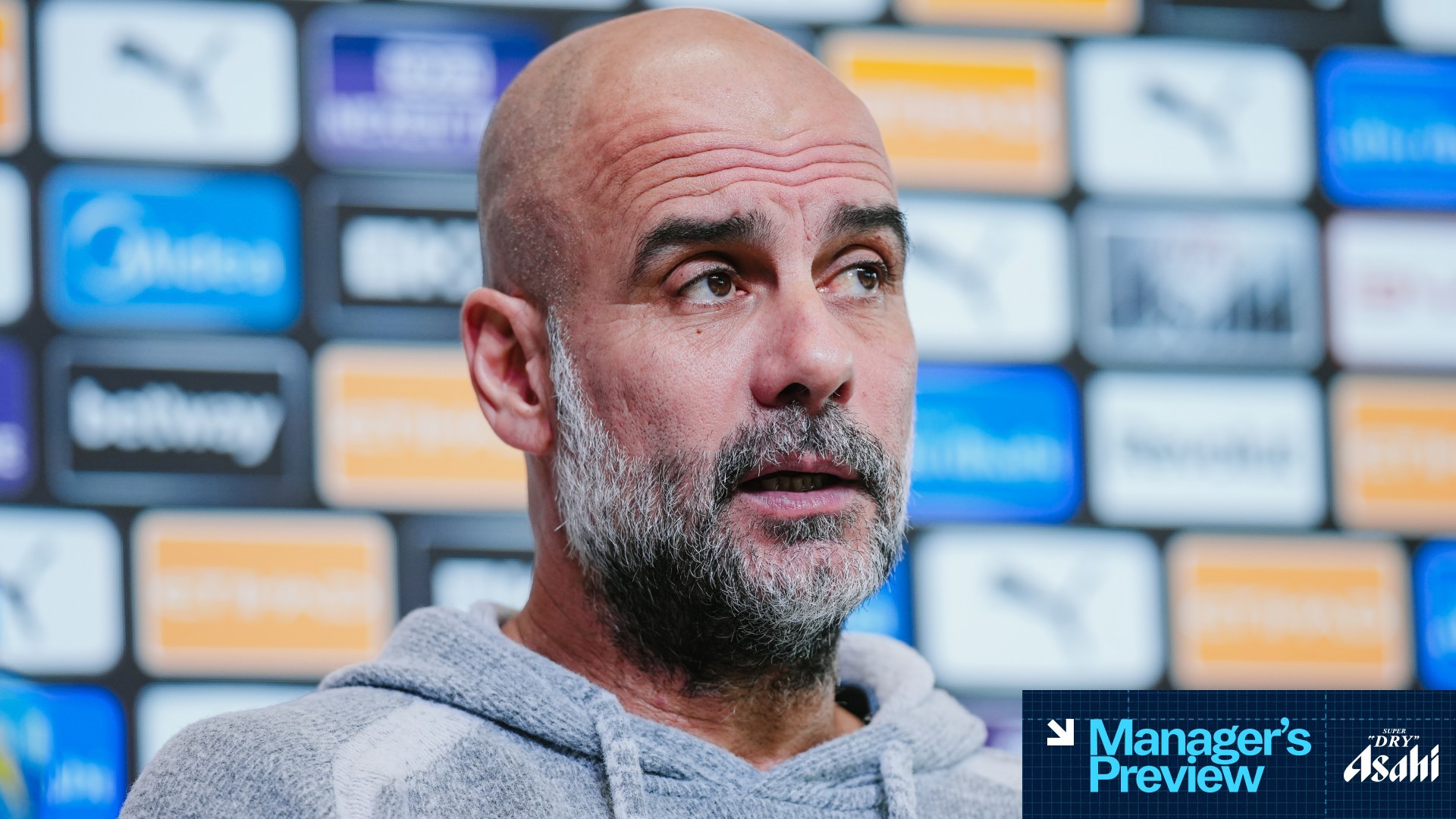
Beyond physical recovery, the club demonstrates a progressive approach to holistic player welfare by accommodating religious observances, specifically for players fasting during Ramadan. Manager Guardiola confirmed the implementation of specialized nutritional support and adjusted training regimes. This institutional backing highlights the sophisticated sports science infrastructure prevalent in elite football and reflects a growing recognition of diverse cultural needs. Such provisions not only maintain player health and energy levels during demanding schedules but also foster an inclusive team environment, potentially influencing recruitment and retention strategies by positioning the club as an employer valuing comprehensive athlete well-being.
Economic Imperatives and Competitive Dynamics
The Premier League table serves as a live ledger of both competitive standing and substantial financial value. Manchester City’s pursuit to close a two-point gap on Arsenal underscores the high stakes, where every point impacts not just championship aspirations but also lucrative European qualification or the avoidance of financially devastating relegation. The economic implications are vast, tying broadcast revenue distribution, global sponsorship deals, and brand visibility directly to league position. For clubs throughout the table, even a marginal points differential can equate to tens of millions in revenue, profoundly influencing future investment in infrastructure, talent acquisition, and youth development.
This relentless competitive pressure directly informs managerial strategies, such as Daniel Farke’s anticipated 5-4-1 formation for Leeds against Manchester City. Such tactical deployments are meticulously crafted responses, born from deep analytical work and risk assessment, designed to maximize points against formidable opposition within a high-stakes commercial environment. The global media ecosystem, monetizing fan engagement through broadcast partners like Sky Sports and betting platforms like Super 6, further amplifies these financial and sporting imperatives.
In conclusion, the upcoming Leeds-Manchester City fixture encapsulates the multifaceted dynamics of the Premier League. It showcases the continuous evolution of tactical innovation, as seen in Haaland’s expanded role; the critical sophistication of high-performance player welfare programs, managing both injuries and religious observances; and the profound economic consequences that underpin every match. This confluence of strategic foresight, operational excellence, and individual brilliance defines the Premier League as a global phenomenon, where each game is a critical juncture in a complex, multi-billion-dollar enterprise that continually reshapes the sport’s competitive balance and financial hierarchy.