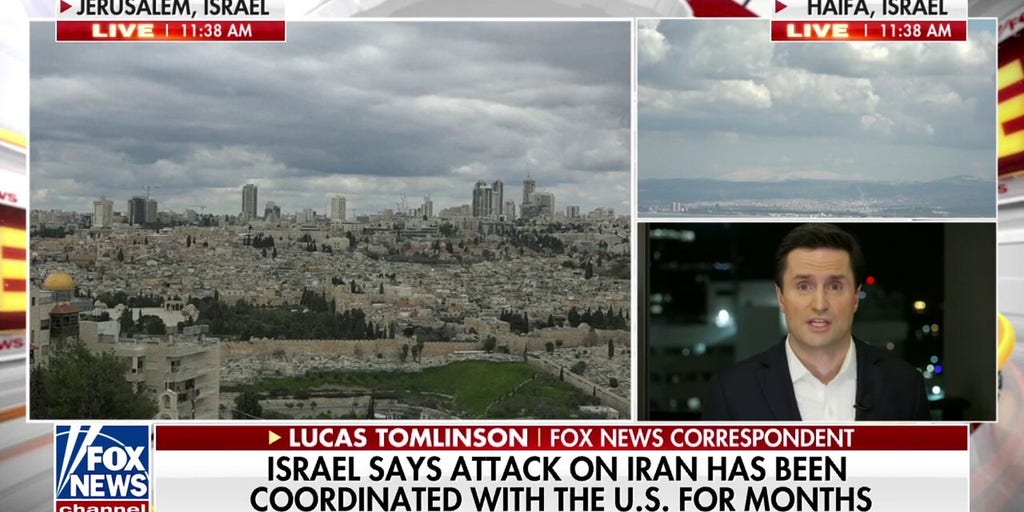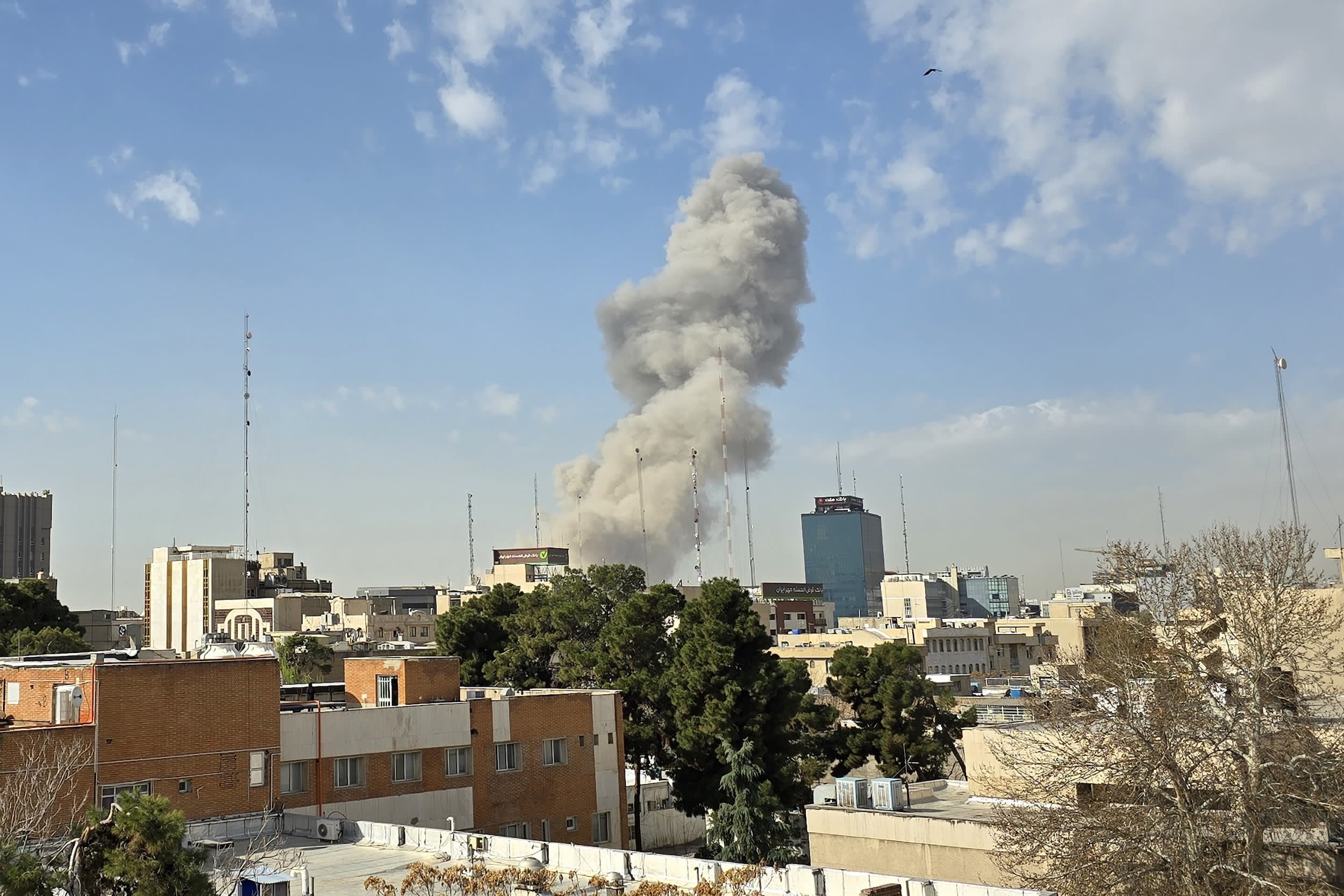
The Trump administration’s transition from ‘maximum pressure’ diplomacy to a campaign of sustained kinetic engagement marks a definitive recalibration of U.S. hegemony in the Middle East. By initiating major combat operations, the executive branch has effectively abandoned the doctrine of sporadic tactical deterrence in favor of a comprehensive strategy aimed at the structural degradation of Iranian military and proxy capabilities. This escalation introduces a new volatility index to global security architectures and energy supply chains.
Executive Prerogative and the War Powers Crisis
The decision to bypass congressional authorization has catalyzed an immediate constitutional crisis regarding the War Powers Resolution of 1973. Critics, including Representative Thomas Massie and Senator Ruben Gallego, contend that the lack of a formal Article I declaration of war or a specific Authorization for Use of Military Force (AUMF) undermines the democratic oversight of the nation’s blood and treasure. This institutional friction is not merely procedural; it reflects a fractured domestic consensus on what constitutes an ‘imminent threat’ versus a preemptive strike.
The administration’s reliance on executive authority sets a high-stakes precedent for unilateral military action. As legislative leaders signal resistance, the legal sustainability of a protracted campaign remains in question. This internal political fragmentation could compromise long-term operational funding and diplomatic cohesion, particularly as the legacy of previous Middle Eastern interventions continues to shape public skepticism.
Casus Belli: 47 Years of Strategic Hostility
The White House frames these operations not as an isolated escalation, but as the culmination of a nearly five-decade response to Iranian regional revisionism. By citing the 1979 revolution and subsequent maritime aggression in the Gulf of Oman, the administration seeks to establish a historical casus belli. This narrative recontextualizes the current strikes as a defensive necessity to secure international trade corridors and protect sovereign U.S. assets from asymmetric proxy warfare.
However, the use of historical grievances as a primary justification raises analytical questions regarding the endgame. While the rhetoric targets the ‘Death to America’ ideology, the operational objectives must reconcile ideological opposition with the practical realities of state-level warfare. The strategic intent appears to be a total reset of the regional balance of power, yet the lack of a defined exit strategy introduces significant long-term risk.
Macroeconomic Implications and Energy Volatility
Global energy markets have responded with immediate sensitivity to the threat of maritime interdiction. The Gulf of Oman and the Strait of Hormuz represent the world’s most critical petroleum chokepoints; any sustained kinetic activity in these waters imposes a significant risk premium on Brent crude and international shipping insurance. Market participants are now pricing in the high probability of Iranian retaliatory strikes against regional energy infrastructure.
Beyond oil prices, the fiscal burden of ‘massive and ongoing’ operations will inevitably impact the U.S. sovereign debt profile. Without a clear legislative mandate for funding, the administration may be forced into budgetary reallocations that divert resources from domestic priorities or other theater commands. The resulting economic uncertainty may trigger a flight to safety in capital markets, strengthening the dollar while pressuring emerging market currencies.
Regional Contagion and Diplomatic Isolation
The unilateral nature of the strikes risks alienating traditional European and regional allies who favor multilateral containment over direct confrontation. The absence of a UN mandate or a broad coalition increases the likelihood of diplomatic isolation, potentially allowing Iran to frame itself as a victim of Western aggression to consolidate domestic and regional support. This dynamic could inadvertently strengthen the very regime the operations seek to weaken.
The primary risk remains regional contagion. As Iran utilizes its ‘Axis of Resistance’ network to conduct asymmetric retaliation, the conflict could evolve from a bilateral engagement into a multi-theater conflagration involving various state and non-state actors. The resilience of the international order will be tested by its ability—or inability—to mitigate this escalation before it reaches a point of total regional destabilization.